Two small green pods crushed into the doodh patti, and the whole kitchen smells like a dhaba at dawn. In Urdu it is called sabz elaichi (سبز الائچی) or choti elaichi (چھوٹی الائچی) — green cardamom, the “Queen of Spices” — and it is the most expensive spice in the average Pakistani kitchen after saffron. But the same 100 grams can cost Rs 850 or Rs 2,000 depending on where you buy it. What is the real green cardamom price in Pakistan?
This guide gives you real, checked prices. We checked live seller pages on 26 November 2026 and recorded 16 verified price rows for whole green cardamom — plus a separate powder table — with a per-100g column so a 25g sachet and a 250g jumbo pack can be compared fairly.
One honest note: BaBaShop does not sell green cardamom. This is a price and buying guide, not a product page. Where we could not verify a price or a claim, we say so plainly instead of guessing.
Quick answer: green cardamom price in Pakistan 2026
- Rs 380 is the cheapest pack — AL-MAAZ sabz elaichi 25g at Al Farooq Shopping Mall.
- Rs 850 per 100g is the best rate for whole pods — ALBAIG Trading’s jumbo bold 100g pack.
- Rs 2,000 per 100g is the dearest rate — Dry Fruits Mart’s small 25g and 50g packs.
- Rs 4,300 is the biggest pack we verified — Khan Dry Fruits’ elaichi sabz jumbo 250g.
- Rs 255 a month is the real cost of daily chai — about 30g a month at the ALBAIG rate.
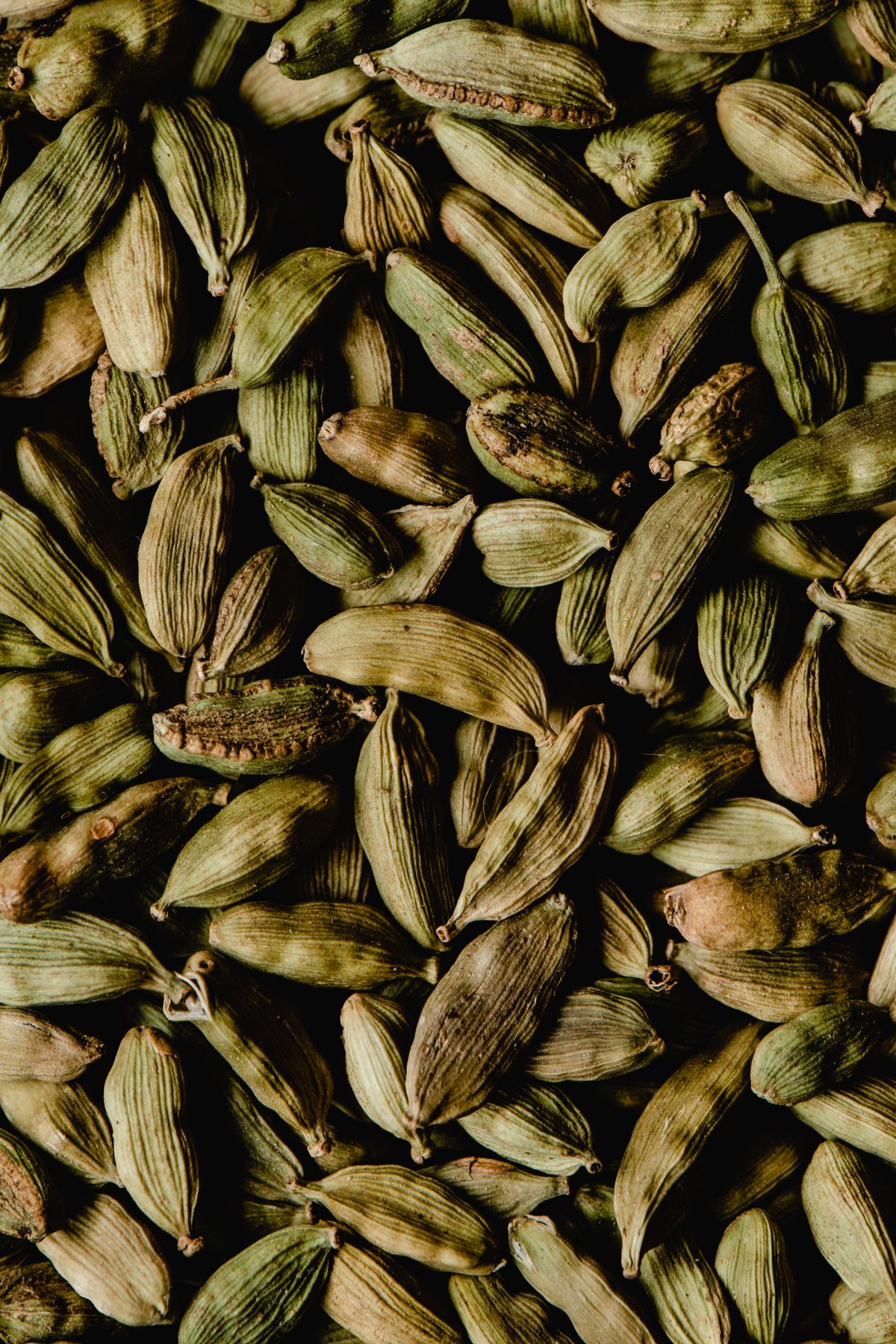
What this guide covers
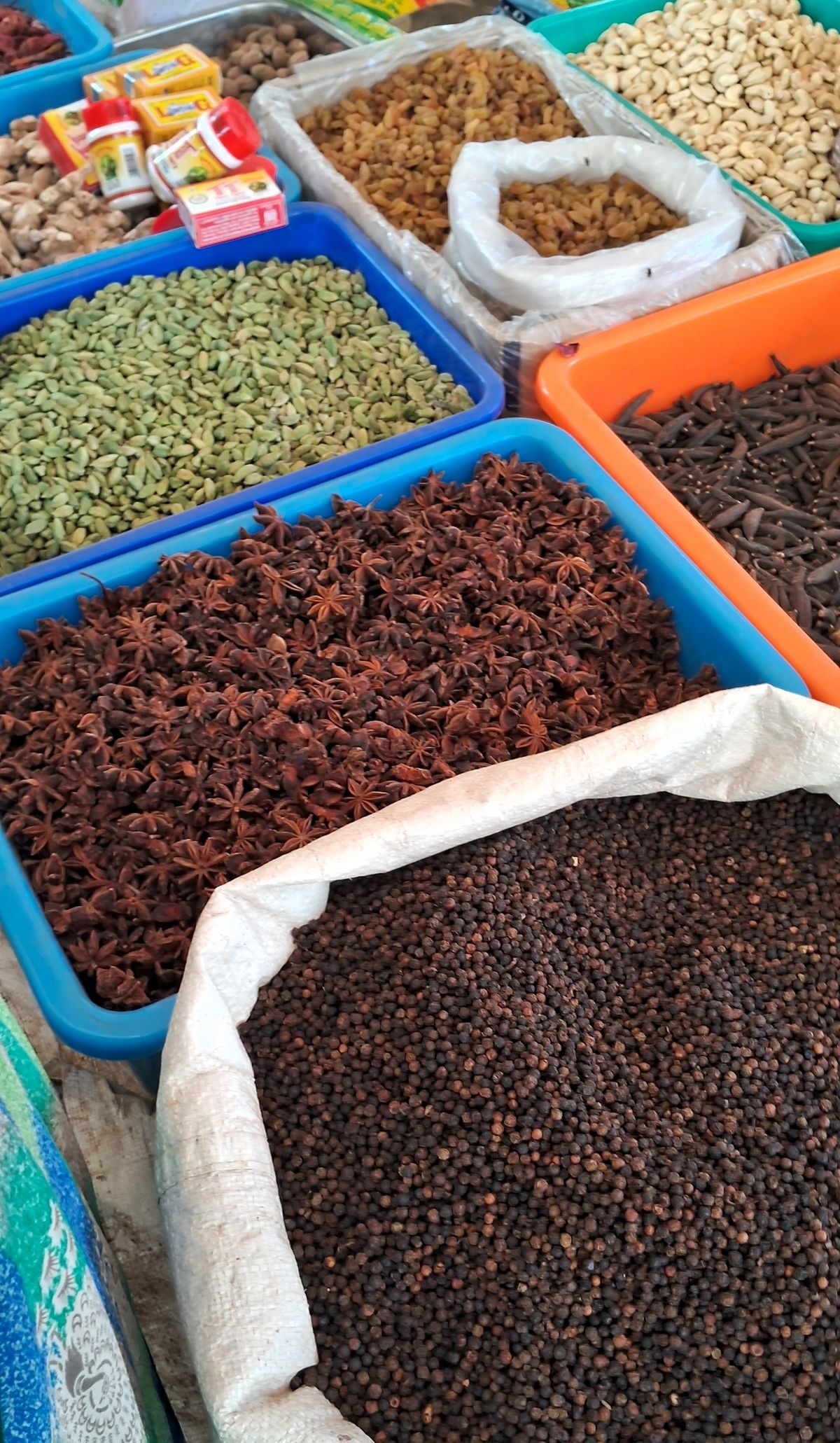
- What is green cardamom? Sabz elaichi explained
- Green cardamom Pakistan: verified price table
- Cardamom powder prices
- Read the per-100g column before you pay
- Brand spotlights: ChiltanPure, Ajmal, Khan Dry Fruits
- Black cardamom in Urdu: badi elaichi
- Nestea cardamom tea: what it is and where to buy it
- Cardamom coffee benefits: what the research says
- Green cardamom benefits: what is proven and what is not
- Best green cardamom in Pakistan: our honest pick
- How to choose: the 10-point check
- Who should buy it — and who should not
- Safety: allergy and moderation
- How to use it and how to store it
- City-wise prices: Karachi, Lahore, Islamabad, Sargodha
- Cost breakdown: what a month of chai really costs
- 12.12 buying checklist
- Methodology: how we checked these prices
- FAQs
- Conclusion
What is green cardamom? Sabz elaichi explained
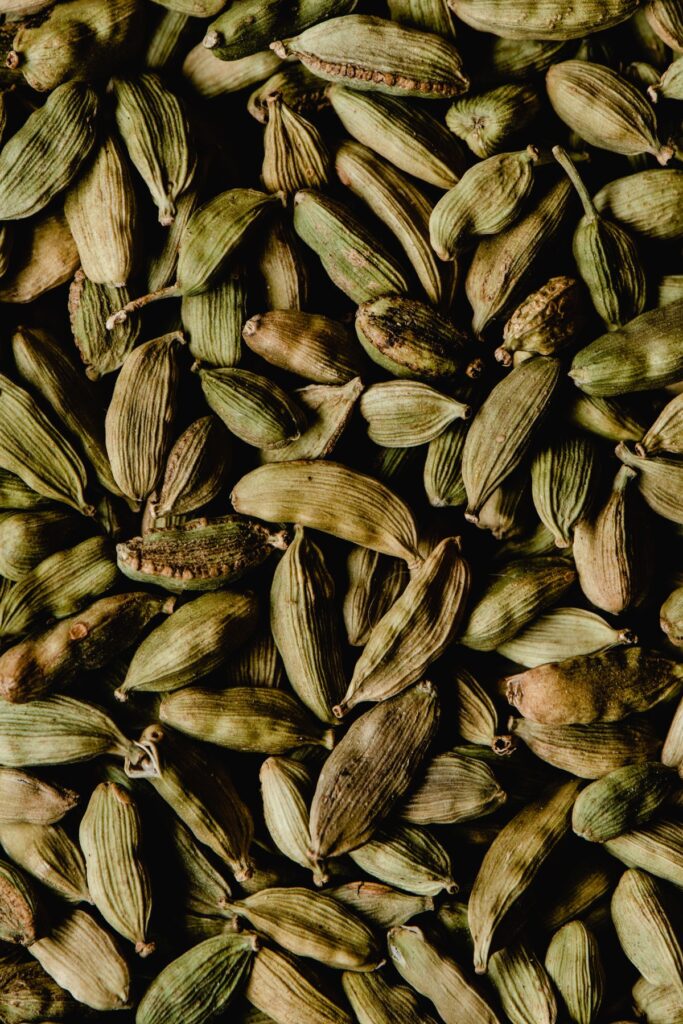
Green cardamom is the dried, unripe fruit of Elettaria cardamomum, a perennial plant in the ginger family. The small, pale-green pods hold tiny black seeds, and those seeds carry the sweet, floral, slightly minty aroma that makes cardamom the flavour of Pakistani chai, biryani, kheer, zarda and garam masala. In Pakistan it is known as choti elaichi or sabz elaichi, and it is called the “Queen of Spices” — after saffron and vanilla, it is one of the most expensive spices in the world.
Almost all the green cardamom sold in Pakistan is imported. Guatemala is the world’s largest producer and exporter — over 60 percent of global supply — followed by India, where the high-quality ‘Alleppey Green’ variety grows in Kerala. That import chain is the first reason prices move: when the rupee weakens or the harvest is short, the elaichi rate in Pakistan rises within weeks. The second reason is grade. Pods are graded by size and colour — jumbo bold pods (8mm and above) cost more than small, pale or broken pods — and a shop’s price tells you as much about the grade as about the brand.
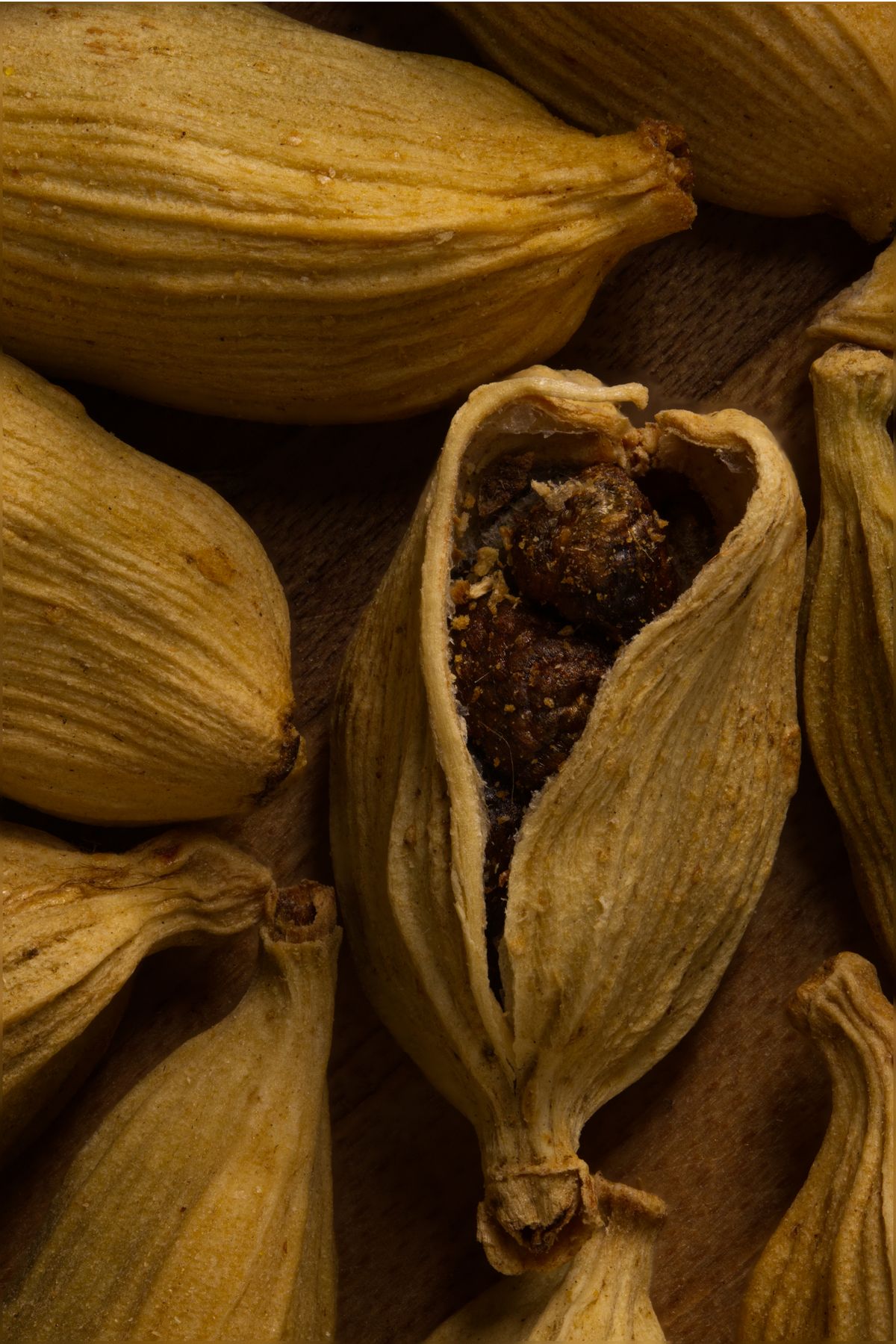
What is inside 100g of green cardamom?
Per 100g, green cardamom provides about 311 kcal, 68g of carbohydrates, 28g of dietary fibre, 11g of protein and 7g of fat. The mineral numbers are striking: about 28mg of manganese, 14mg of iron, 383mg of calcium, 1,119mg of potassium, 89mg of magnesium and 11mg of zinc. Those figures come from the nutrition panel published on the Spices.pk green cardamom page, and they match the standard published values for the spice. But keep them in proportion: nobody eats 100g of cardamom. A cup of chai uses one or two pods — about half a gram each — so the nutrition in your daily chai is tiny. Cardamom is a flavour, not a food.
The three forms you will see on Pakistani shelves
- Whole pods (sabit elaichi): the green pods, sold loose or in sealed packs from 25g to 1kg. This is the form to buy — whole pods keep their aroma for one to two years, and you crush them just before use.
- Ground cardamom (elaichi powder): the seeds ground to a fine powder, sold in 50g to 500g packs. Convenient for baking and desserts, but the aroma fades fast once ground — buy small packs and use them quickly.
- Cardamom-flavoured products: tea premixes, chai whiteners and syrups that use cardamom flavour rather than whole pods. They are drinks, not spice — the Nestea section below explains the difference.
One more thing to know before you shop: green cardamom and black cardamom are different spices from different plants. Green cardamom is small, sweet and floral, for chai and desserts. Black cardamom is big, dark and smoky, for biryani and nihari. They are not interchangeable, and they are priced very differently — see the black cardamom section below.
Green cardamom Pakistan: the verified price table
Every price below was taken from a live seller page checked on 26 November 2026. The per-100g column is our own arithmetic, rounded to the nearest rupee. One row is marked out of stock — we kept it in the table because it shows what the price was, and because a restock at the same price is likely.
| Seller | Product | Pack size | Price | Per 100g | Note |
|---|---|---|---|---|---|
| Al Farooq Shopping Mall | AL-MAAZ Sabaz Elaichi | 25g | Rs 380 | Rs 1,520 | Cheapest pack verified. |
| Subhan Bazar | Choti Elaichi (Premium) | 25g | Rs 462 | Rs 1,848 | Premium grade, small pack. |
| Dry Fruits Mart | Green Cardamom (Sabz Elaichi) | 25g | Rs 500 | Rs 2,000 | Dearest rate per 100g. |
| Ajmal | Pure Elaichi Khurd, Whole | 50g | Rs 770 | Rs 1,540 | Herbal brand, Lahore. |
| ALBAIG Trading Company | Green Cardamom (Sabz Elaichi), Jumbo Bold | 100g | Rs 850 | Rs 850 | Best per-100g rate. COD available. |
| Subhan Bazar | Choti Elaichi (Premium) | 50g | Rs 879 | Rs 1,758 | Saves Rs 90 per 100g vs its 25g pack. |
| Vital Hill | Green Cardamom, Whole | 50g | Rs 945 | Rs 1,890 | COD available, 3–4 day delivery. |
| Dry Fruits Mart | Green Cardamom (Sabz Elaichi) | 50g | Rs 1,000 | Rs 2,000 | Same rate as its 25g pack. |
| Al-Fatah | FF N&M Green Elaichi | 60g | Rs 1,080 | Rs 1,800 | Supermarket brand, Lahore stores. |
| Ajmal | Pure Elaichi Khurd, Whole | 100g | Rs 1,540 | Rs 1,540 | Same rate as its 50g pack. |
| Subhan Bazar | Choti Elaichi (Premium) | 100g | Rs 1,671 | Rs 1,671 | Premium grade, 100g pack. |
| Khan Dry Fruits | Green Cardamom (Elaichi) | 100g | Rs 1,680 | Rs 1,680 | Was Rs 2,000. Listed out of stock. |
| Vital Hill | Green Cardamom, Whole | 100g | Rs 1,890 | Rs 1,890 | Same rate as its 50g pack. |
| ChiltanPure | Organic Cardamom Seeds | 120g | Rs 1,999 | Rs 1,666 | Best-known brand in this list. |
| Organicles | Green Cardamom | 100g | Rs 1,999 | Rs 1,999 | Islamabad seller, F-11/3. |
| Khan Dry Fruits | Elaichi Sabz Jumbo | 250g | Rs 4,300 | Rs 1,720 | Biggest pack verified. In stock, COD. |
Sources: the seller pages listed above, all checked 26 November 2026. Prices can change; confirm on the seller’s page before you pay.
The honest range is about Rs 380 to Rs 4,300 for a pack from Pakistani sellers. Per 100g, whole green cardamom runs from Rs 850 to Rs 2,000 — more than a two-fold gap. That gap is mostly about pack size and grade, not about the spice itself: the 25g sachets are priced for a single household’s month of chai, while the 100g jumbo packs are priced for regular users and small caterers.
What we left out, and why: Spices.pk lists its premium green cardamom at Rs 777, but the page does not state the pack size for that price, so no per-100g figure can be worked out honestly. Sherdil Enterprises lists green cardamom as a range of Rs 530 to Rs 10,550 with no sizes attached. New Pansari lists green cardamom powder at Rs 200 to Rs 1,900 for 10g, 50g and 100g options, but the page does not split the price by size. ALBAIG’s spice page also shows a Rs 480 line for a 100g pack, but it sits above the green cardamom heading and belongs to a different product, so we did not count it. All four are mentioned here, but none is a table row — we would rather show 16 verified rows than 20 rows with four guesses.
Cardamom powder prices
Ground cardamom is the same spice with the pods removed and the seeds ground. It is handy for kheer, zarda and baking, where whole pods would be in the way. But the aroma fades fast once ground, so buy small and use it within weeks — a 500g bag of powder that sits in the cupboard for a year is money wasted.
| Seller | Product | Pack size | Price | Per 100g | Note |
|---|---|---|---|---|---|
| ChiltanPure | Pure Cardamom Powder | 100g | Rs 800 | Rs 800 | Cheapest powder verified; from ChiltanPure’s own price list. |
| Ajmal | Elaichi Khurd, Grounded | 50g | Rs 820 | Rs 1,640 | Ground costs Rs 50 more than Ajmal whole 50g. |
| Ajmal | Elaichi Khurd, Grounded | 500g | Rs 7,750 | Rs 1,550 | Best Ajmal powder rate. |
| Ajmal | Elaichi Khurd, Grounded | 100g | Rs 1,590 | Rs 1,590 | Ground costs Rs 50 more than Ajmal whole 100g. |
| Vital Hill | Green Cardamom, Powder | 100g | Rs 1,958 | Rs 1,958 | Powder variant on the page; Rs 68 more than its whole 100g. |
Sources: Ajmal (ajmal.pk), ChiltanPure (chiltanpure.pk cardamom collection price list) and Vital Hill (vitalhills.com), all checked 26 November 2026.
Powder runs from Rs 800 to Rs 1,958 per 100g. Notice the pattern: at Ajmal, ground cardamom costs exactly Rs 50 more than whole cardamom at the same weight — Rs 820 against Rs 770 for 50g, and Rs 1,590 against Rs 1,540 for 100g. That Rs 50 is the grinding and the extra handling, and it is fair. What is not fair is paying Rs 1,958 per 100g for powder when ChiltanPure’s powder is Rs 800 per 100g — unless you have a reason to trust that seller more. And remember: powder loses its aroma within weeks of opening, so a big powder pack is a worse buy than a big whole-pod pack, whatever the per-100g figure says.
Read the per-100g column before you pay
The pack price is the number sellers want you to see. The per-100g price is the number that tells you the truth. Look at Subhan Bazar: its 25g pack is Rs 462, its 50g pack is Rs 879, and its 100g pack is Rs 1,671. The bigger pack costs more — but per 100g it is Rs 1,848, then Rs 1,758, then Rs 1,671. If your family drinks elaichi chai every day, the 100g pack saves Rs 177 for every 100g you use, against the 25g pack. The same pattern shows up at Ajmal: the whole 50g pack is Rs 770 and the whole 100g pack is Rs 1,540 — exactly double the weight for exactly double the price, so no saving at all. And at Vital Hill the 50g and 100g packs cost exactly the same per 100g (Rs 1,890), so there is no reason to buy the bigger pack unless you want fewer orders.
The cheapest pack is not always the cheapest spice. The AL-MAAZ 25g sachet at Rs 380 is the lowest pack price in our table — but it holds only 25g, and at Rs 1,520 per 100g it is not the cheapest cardamom. The ALBAIG 100g jumbo pack at Rs 850 costs more than twice as much as the sachet — but at Rs 850 per 100g it is the cheapest cardamom in the whole table, by a wide margin. That does not make ALBAIG automatically the best buy: the Rs 850 pack is a jumbo bold grade from a trading company, not a supermarket brand, and you should check the pod size and colour when it arrives. But on price alone, it is the one to beat.
The two-minute rule: before you pay, divide the price by the grams and multiply by 100. For whole green cardamom, anything under Rs 1,700 per 100g is fair value for a 100g pack. Above Rs 1,900 per 100g, ask why — unless it is a 25g sachet, where the small-pack premium is normal. And never compare a 25g price with a 100g price without doing the division first.
Brand spotlights: ChiltanPure, Ajmal, Khan Dry Fruits
Three sellers in our table deserve a closer look, because they answer three different questions: the big brand, the herbal brand, and the dry-fruit shop.
ChiltanPure: the best-known brand, and the “organic” question
ChiltanPure sells “Organic Cardamom Seeds” — 120g for Rs 1,999, which is Rs 1,666 per 100g — and a cardamom powder at 100g for Rs 800, the cheapest powder we verified. Its cardamom collection also lists cardamom honey (450g, Rs 750), silver and gold coated elaichi (15g, Rs 699 each), cardamom syrup (750ml, Rs 999) and arq elaichi, a cardamom distillate (Rs 499). Those are flavoured products, not spice — do not compare their prices with whole pods.
ChiltanPure calls its cardamom “100% pure organic” and says it is lab-verified. We could not verify a certification number or a certifying body on the product page, so we describe the claim as the seller’s claim, not as our verified fact. Our site rules say never to call a product “organic” without proof — so this guide uses “organic cardamom” only as the search term people type, and treats the seller’s word as the seller’s word. At Rs 1,666 per 100g, ChiltanPure’s seeds are mid-priced: dearer than ALBAIG (Rs 850) and Ajmal (Rs 1,540), cheaper than Organicles and Vital Hill (both Rs 1,890–1,999). If you trust the brand, it is a fair price. If you are buying on price alone, it is not the cheapest.
Ajmal: the herbal brand with the clearest pricing
Ajmal — Dawakhana Hakim Ajmal Khan, the Lahore herbal house — sells “Pure Elaichi Khurd” in whole and ground forms, and its page is the clearest we found: whole 50g Rs 770, whole 100g Rs 1,540, whole 500g Rs 7,700; ground 50g Rs 820, ground 100g Rs 1,590, ground 500g Rs 7,750. Every size is exactly proportional — the per-100g rate is Rs 1,540 for whole and Rs 1,550–1,640 for ground, whatever size you buy. That honesty is worth something: there is no small-pack trap and no bulk discount to chase. Ajmal describes its elaichi as a heart exhilarant and digestive tonic, in the Unani tradition. That is a traditional use, not a proven medical claim — see the benefits section below.
Khan Dry Fruits: two prices on one page — read carefully
Khan Dry Fruits needs a warning, because its own page shows two different price sets. The buy box says Rs 1,680 (was Rs 2,000) for the 100g pack, and the page marks the product out of stock. But a table further down the same page lists 100g at Rs 1,400, 250g at Rs 3,200 and 500g at Rs 6,400. The two sets cannot both be the checkout price. We used the buy-box figure (Rs 1,680) in our table, because that is the price the shop’s own checkout system shows — but if you buy from Khan Dry Fruits, check the price at checkout before you pay, and do not be surprised if it differs from the table on the page. Its sister site lists “Elaichi Sabz Jumbo” 250g at Rs 4,300 (500g Rs 8,170, 1kg Rs 15,480), stated as October 2026 prices, with cash on delivery in 47-plus cities. At Rs 1,720 per 100g, the jumbo 250g pack is fairly priced — but the price is a month old, so confirm it before ordering.
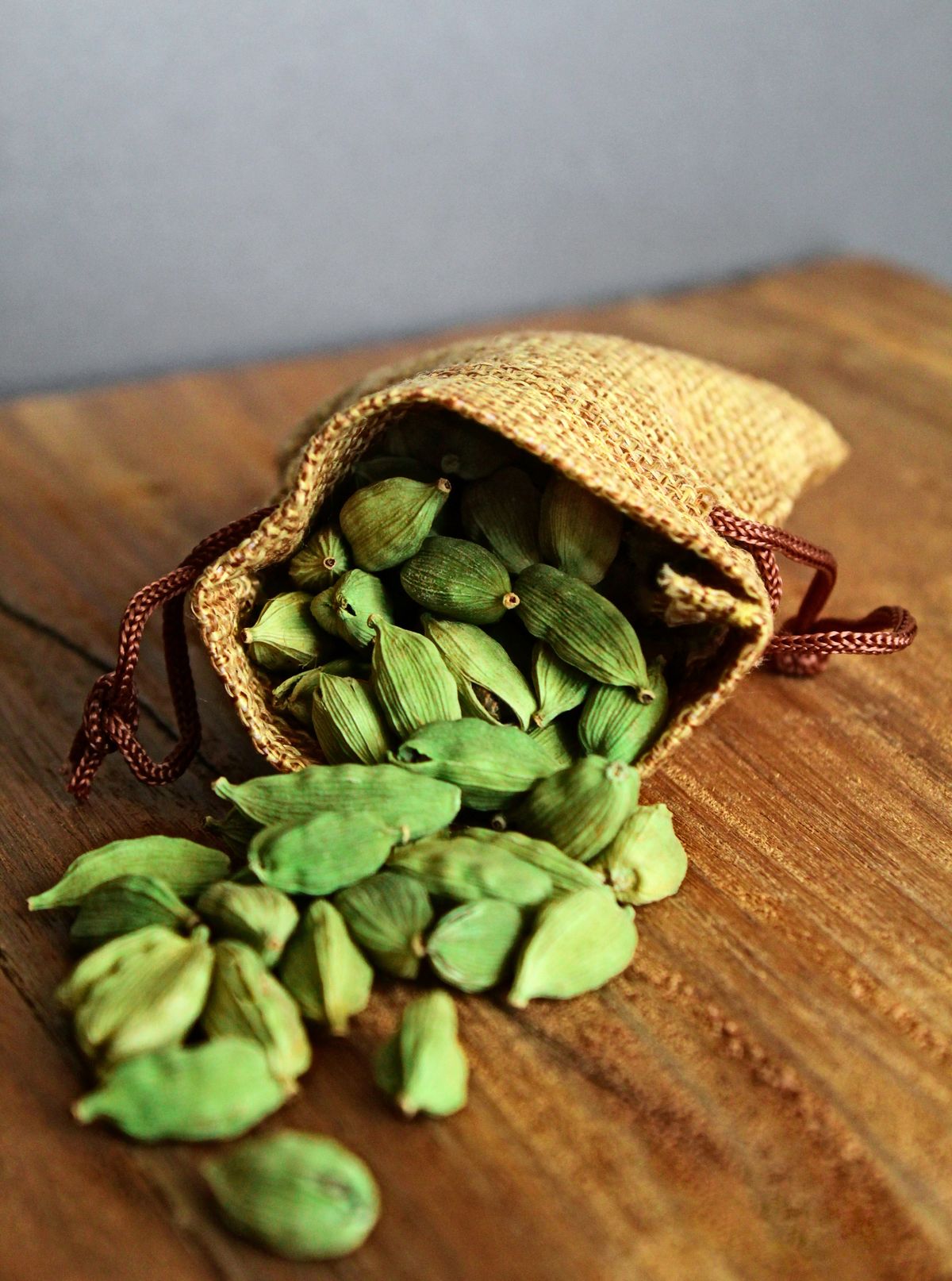
Black cardamom in Urdu: badi elaichi
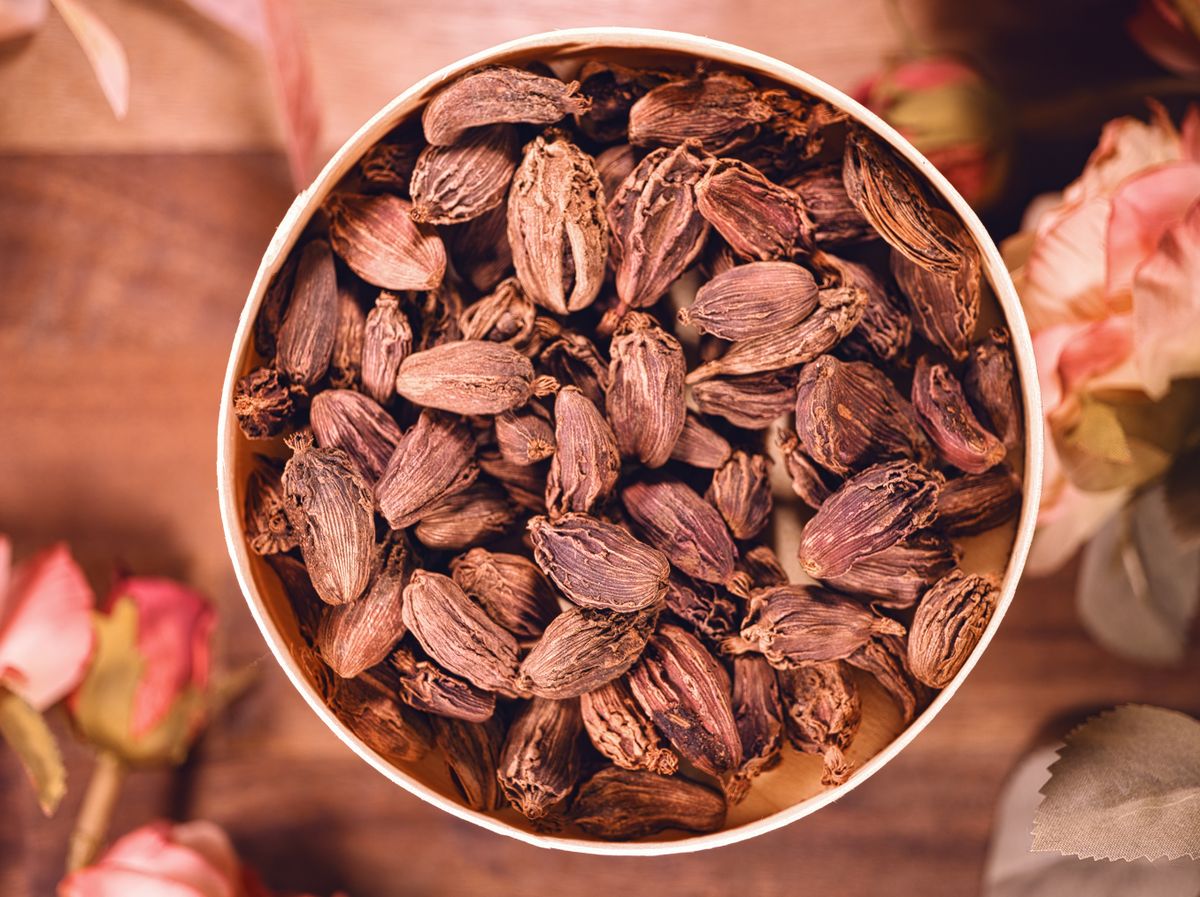
“Black cardamom in urdu” gets about 210 searches a month — more than the main keyword itself — so here is the straight answer. Black cardamom is badi elaichi (بڑی الائچی), also written bari elaichi. It is a different plant from green cardamom — Amomum subulatum instead of Elettaria cardamomum — and a different spice altogether.
The pods are much bigger, dark brown to black, with a rough, wrinkled skin. They are dried over open fire, which gives them a smoky, almost camphor-like smell. That smoke is the point: black cardamom goes into savoury dishes — biryani, nihari, paya, qorma and garam masala — where its strong, earthy flavour stands up to meat and slow cooking. It does not go into chai or kheer. If a recipe says “elaichi” without saying which one, it almost always means green cardamom. If it says “badi elaichi”, it means black.
| Seller | Product | Pack size | Price | Per 100g | Note |
|---|---|---|---|---|---|
| ALBAIG Trading Company | Black Cardamom Whole / Badi Elaichi | 100g | Rs 520 | Rs 520 | Smoky pods for biryani and nihari. COD available. |
Black cardamom costs far less than green: Rs 520 per 100g against Rs 850 to Rs 2,000 for green. That is normal — black cardamom is a cheaper crop, grown widely in Nepal and the Himalayan foothills, and it is used in smaller amounts per dish. Khan Dry Fruits also lists brown cardamom (bari elaichi) from Rs 600, but the page does not split the price by size, so we did not put it in the table. Do not be confused by the names: “badi elaichi”, “bari elaichi” and “brown cardamom” are the same spice. And do not pay green-cardamom prices for it — if a shop charges Rs 1,500 for 100g of badi elaichi, you are being overcharged.
Green vs black cardamom at a glance
| Green cardamom | Black cardamom | |
|---|---|---|
| Urdu name | Choti elaichi / sabz elaichi (چھوٹی الائچی) | Badi elaichi / bari elaichi (بڑی الائچی) |
| Plant | Elettaria cardamomum | Amomum subulatum |
| Pod | Small, pale green, smooth | Large, dark brown-black, wrinkled |
| Flavour | Sweet, floral, minty | Smoky, earthy, camphor-like |
| Used in | Chai, kheer, zarda, desserts, garam masala | Biryani, nihari, paya, qorma, garam masala |
| Price per 100g | Rs 850–Rs 2,000 | Rs 520 |
Nestea cardamom tea: what it is and where to buy it
“Nestea cardamom tea” gets about 90 searches a month, and the people who search it usually want a straight answer — so here it is, with the confusion cleared up first.
NESTEA Cardamom Chai is a real Nestlé product in Pakistan — but it is not a supermarket tea. It is a Nestlé Professional product, made for offices, hotels, restaurants and bank lounges: a 3-in-1 premix (sugar, milk solids and instant tea with natural cardamom flavour) that a vending machine mixes with hot water. A distributor listing for the 1kg premix says it yields 76 cups of 150ml. You will taste it in a hotel lobby or an office pantry — the Dubai Islamic Bank lounges in Pakistan serve NESTEA Cardamom, Karak and Kashmiri chai to visitors — but you will not usually find the premix on a supermarket shelf, and we could not verify a retail PKR price for the 1kg premix on any live seller page on 26 November 2026.
What you can buy in shops is the retail cousin: Nestlé Everyday Cardamom Chai, a 20g single-serve sachet of tea whitener with cardamom flavour. KK Mart lists it at Rs 78 for a 20g sachet, in stock. That is a milk-powder whitener with cardamom flavouring — not whole cardamom, and not a substitute for crushing two pods into your own chai. At Rs 78 a sachet, one cup of Everyday cardamom chai costs about nine times more than a cup made with two pods from the ALBAIG pack (about Rs 8.50 a day for two cups — see the cost breakdown below). The sachet buys convenience, not value.
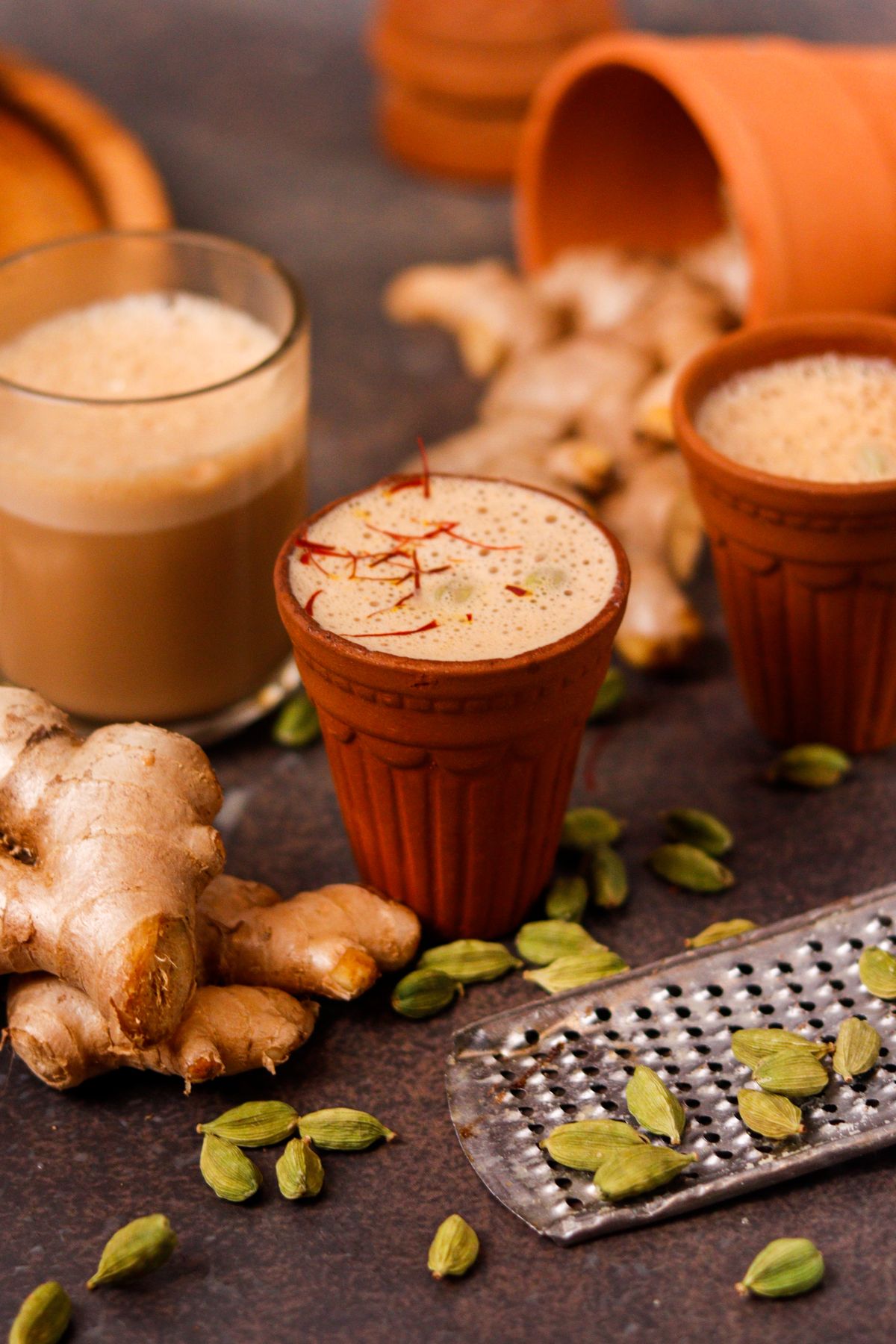
Should you buy the premix or the pods?
- For home chai: buy whole pods. Two pods a cup, crushed just before brewing, gives you real cardamom flavour at Rs 4 to Rs 10 a cup — far cheaper than any sachet, and the flavour is better.
- For an office or a dhaba: a premix makes sense, because it is fast and consistent. Ask a Nestlé Professional distributor for the trade price — it is a business product, and the retail guides will not list it.
- For a quick cup on the go: the Everyday 20g sachet at Rs 78 is fine for what it is — a flavoured whitener. Just do not mistake it for cardamom itself.
Cardamom coffee benefits: what the research says
“Cardamom coffee benefits” gets about 40 searches a month — a small number, but the people who search it deserve an honest answer rather than a list of miracles.
Cardamom coffee is coffee with ground green cardamom added — a tradition in Arabic qahwa and Turkish coffee, where a pinch of cardamom goes into the pot with the coffee grounds. The cardamom softens the bitterness, adds a sweet floral note, and is said to settle the stomach after a heavy meal. In Pakistan it is a niche habit — most people who want cardamom reach for chai, not coffee — but the cafes in Lahore and Islamabad that serve Arabic coffee do it this way.
Here is the honest part: there is no published human trial of “cardamom coffee” as a drink. What exists is research on cardamom itself (see the benefits section below) and research on coffee itself. The benefits people attribute to cardamom coffee — better digestion, fresher breath, antioxidant support — are cardamom’s benefits, not something the coffee creates. And the risks are coffee’s risks: caffeine can raise heart rate and disturb sleep, and adding cardamom does not cancel that out. A pinch of ground cardamom (about a quarter teaspoon per cup) is a culinary amount and is generally safe for healthy adults. It does not turn coffee into a medicine, and it does not make coffee safe for someone who should avoid caffeine.
Honest note: we found no trial, no review and no clinical guideline that tests cardamom coffee as a combined drink. Any website that lists “10 proven benefits of cardamom coffee” is borrowing cardamom’s evidence and coffee’s evidence and presenting the sum as a finding. We do not do that here.
Green cardamom benefits: what is proven and what is not
Cardamom has been used in Ayurvedic and Unani medicine for centuries — for digestion, for breath, for the heart. Modern research has tested some of those uses, and the results are mixed: a little that is promising, and a lot that is still unproven. The best plain-language summary is Healthline’s “10 Health Benefits of Cardamom, Backed by Science”, which we cite below. Its own headline warning matters: most studies were done in animals or test tubes, not in people.
What the research actually says
- Blood pressure: the strongest human evidence. In one small study, researchers gave 3g of cardamom powder a day to 20 adults newly diagnosed with high blood pressure. After 12 weeks, blood pressure had fallen significantly into the normal range, and the participants’ antioxidant status had risen by 90 percent. That is promising — but it is 20 people, one study, and a dose (3g a day, about six pods’ worth of powder) far above what a cup of chai provides. Cardamom is not a blood pressure medicine, and nobody should stop prescribed treatment because of it.
- Digestion: cardamom is traditionally used after meals for bloating and heaviness, and its essential oils (cineole, terpinene, sabinene) are thought to help. The human evidence is thin — mostly traditional use and small studies — but the culinary dose is small and the risk is low, so a pod in your chai after a heavy meal is a reasonable habit, not a treatment.
- Bad breath: chewing a cardamom pod freshens the breath, and lab studies show cardamom compounds act against the bacteria that cause bad breath. This is the one benefit you can feel at once — it is why paan shops and restaurants keep elaichi on the counter.
- Antioxidants and inflammation: cardamom is rich in antioxidants, and lab and animal studies show anti-inflammatory effects. Whether that translates into fewer chronic diseases in people is not proven — the studies have not been run.
- Cancer, blood sugar and weight loss: not proven in people. The cancer findings come from mice and test tubes. The blood sugar findings come from animals. Weight-loss claims for cardamom have no human evidence at all. Any seller who promises these is selling a story, not a result.
Read the Healthline review yourself here: Healthline — 10 Health Benefits of Cardamom, Backed by Science. We are not doctors, and this guide makes no medical claims — the findings above are the review’s, not ours.
Best green cardamom in Pakistan: our honest pick
There is no single “best” green cardamom — the best choice depends on your budget and use. Here is our honest shortlist, based only on verified prices. We have not lab-tested any of these pods, and no expert reviewed this draft.
| If you want… | Pick | Why | Price |
|---|---|---|---|
| The lowest cost per 100g | ALBAIG Trading 100g Jumbo Bold | Rs 850 per 100g — best rate by a wide margin. | Rs 850 |
| The cheapest first pack | AL-MAAZ 25g | Rs 380. Try the quality before you commit. | Rs 380 |
| A trusted brand, whole pods | Ajmal Whole 100g | Rs 1,540 per 100g. Clear, proportional pricing. | Rs 1,540 |
| A known brand with powder too | ChiltanPure Seeds 120g | Rs 1,666 per 100g. Powder at Rs 800 per 100g. | Rs 1,999 |
| A big pack for a busy kitchen | Khan Dry Fruits Jumbo 250g | Rs 1,720 per 100g. In stock, COD. | Rs 4,300 |
What about buyer reviews? Khan Dry Fruits shows a few buyer comments on its green cardamom page — one buyer calls the quality and freshness impressive and the aroma nice, and says it is worth the price. Spices.pk shows 47 reviews across its store, mostly about other products. Neither is a verified review set for cardamom, and we will not invent review scores. When you shortlist a seller, read its own reviews on its site before paying — that is the one check we cannot do for you.
How to choose: the 10-point check
Use this list every time you buy — it takes two minutes and catches most bad elaichi.
- Colour: bright, even green pods. Yellow, brown or faded pods are old, sun-damaged or low grade. A few pale pods in a pack are normal; a whole pack of yellow pods is not.
- Size: plump, full pods, 8mm and above for jumbo bold. Small, thin or shrivelled pods have less seed inside — and the seed is where the flavour lives.
- Smell: crush one pod between your fingers. It should release a strong, sweet, floral smell at once. Weak smell means old stock or a low-oil grade.
- Seeds inside: crack a pod open. The seeds should be dark brown to black, oily and whole. Pale, dry or dusty seeds are stale.
- Whole, not broken: a pack full of broken pods and loose husk has lost its aroma. A few broken pods are fine; mostly broken is not.
- Seal and date: sealed packing with a packing date. No date, no buy — especially for a pack over Rs 1,000.
- Per-100g price: work it out first. Above Rs 1,900 per 100g for a 100g pack, ask why — unless it is a 25g sachet, where the small-pack premium is normal.
- Whole before powder: buy whole pods unless you bake with powder every week. Powder loses its aroma within weeks of opening.
- COD: prefer cash on delivery, so you can check the seal and colour before paying.
- Green vs black: check you are buying the right one. Green for chai and desserts, black for biryani and nihari — and black costs far less, so do not pay green prices for it.
Who should buy it — and who should not
Buy it if you make doodh patti or masala chai every day; cook biryani, kheer, zarda or sheer khurma regularly; want a natural mouth freshener after meals; or bake with cardamom and need ground spice in small, fresh amounts. Think twice — or ask a doctor first — if you are allergic to cardamom or other spices in the ginger family; have gallstones (cardamom can stimulate bile flow, which may worsen a blockage); are pregnant and thinking of taking cardamom supplements or extracts (culinary amounts in chai are a different matter, but ask your doctor if you are unsure); or expect it to lower your blood pressure, cure diabetes or help you lose weight (the human evidence is thin, and no spice replaces prescribed treatment).
Safety: allergy and moderation
Green cardamom has been used in Pakistani kitchens for centuries, and the amounts used in cooking — one or two pods a cup — are generally safe for healthy adults. But “natural” does not mean “no side effects”.
- Allergy: rare, but possible — itching, swelling of the lips or tongue, or difficulty breathing means stop at once and seek help. People allergic to other spices in the ginger family should be careful with cardamom too.
- Moderation: culinary amounts are fine. Large amounts of cardamom powder or concentrated extracts are a different matter — supplements and extracts should only be used under a healthcare professional’s guidance, as Healthline’s own review warns.
- Gallstones: cardamom may stimulate bile flow. If you have gallstones or a bile-duct problem, ask your doctor before using cardamom regularly in large amounts.
- Pregnancy: the small amounts in chai and food are generally considered safe, but cardamom supplements and large medicinal doses are not recommended in pregnancy. When in doubt, ask your doctor.
- Children: a pod in the family chai is fine. Do not give whole pods to small children — they are a choking hazard — and keep loose pods out of reach.
- Quality risk: loose, unlabelled elaichi from a market stall can be old, mixed with lower grades, or artificially coloured to look greener. A sealed pack with a date is the basic safety check.
How to use it and how to store it
Cardamom gives up its flavour when the pod is crushed — not before. That is the one rule that matters. A whole pod dropped into chai gives you a little; a pod crushed lightly with the back of a spoon gives you everything.
For chai
- Lightly crush 1–2 pods per cup and add them to the pot while the tea brews, so the flavour steeps with the leaves. For doodh patti, add the crushed pods with the milk.
- Do not boil the pods hard for a long time — long boiling drives off the volatile oils that carry the aroma. Add them in the last few minutes of brewing.
- For a stronger cardamom note, crush the pods and use the seeds only, discarding the green husk. The husk adds little flavour.
For cooking and desserts
- For biryani and pulao, add 2–3 whole pods to the rice while boiling or during layering. Fish the pods out before serving if your guests do not like biting into one.
- For kheer, zarda, suji halwa and sheer khurma, crush the pods, remove the black seeds and grind them, or stir the ground seeds into the dish near the end of cooking.
- For garam masala, dry-roast whole pods lightly with the other spices, then grind. Our Ceylon cinnamon guide explains how cinnamon fits the same blend.
Storage
- Keep whole pods in an airtight glass jar in a cool, dark, dry place, away from direct sunlight and stove heat. Whole pods keep their aroma for one to two years.
- In humid cities like Karachi and Lahore, store the sealed jar in the fridge during the monsoon — moisture is the enemy.
- Ground cardamom keeps for weeks, not years. Buy powder in small packs, keep it sealed, and use it quickly.
- Always use a dry spoon. Water in the jar encourages mould and spoilage.
City-wise prices: Karachi, Lahore, Islamabad, Sargodha
Online prices are the same across Pakistan — an ALBAIG 100g pack costs Rs 850 whether you order from Karachi or Sargodha. What changes by city is delivery and the offline market.
- Lahore: the best-served city for verified prices. Al-Fatah (FF N&M 60g, Rs 1,080) has stores across Gulberg, DHA, Johar Town and Bahria Town. Ajmal’s shop is in Gawalmandi, and Khan Dry Fruits offers same-day delivery in Lahore. Akbari Mandi sells loose elaichi by weight, but we could not verify a current loose price online.
- Karachi: no Karachi-specific shelf price could be verified on a live page on 26 November 2026. Online sellers deliver nationwide in 2–4 working days, and Empress Market sells loose elaichi with no verifiable online price. Subhan Bazar’s price table quotes Karachi as a market source for its premium range, but its own listed prices are the online ones in our table.
- Islamabad: Organicles is based in F-11/3, Islamabad, and sells its 100g pack at Rs 1,999. Al-Fatah’s Centaurus store stocks the same FF N&M range as its Lahore stores. Delivery from the online sellers takes 2–4 working days.
- Sargodha and smaller cities: online ordering with COD is the practical route; ALBAIG, ChiltanPure, Vital Hill, Ajmal and Khan Dry Fruits all deliver nationwide. Small-city karyana shops can charge Rs 50 to Rs 150 more for the same small pack than the online price — compare the per-100g rate before you pay, and keep the receipt.
Cost breakdown: what a month of chai really costs
The pack price is not the real cost. The real cost is what you use in a month. A green cardamom pod weighs about half a gram — that is an estimate, because pod size varies — so two pods a day is about 1g a day, or about 30g a month for a household that drinks elaichi chai every day.
Daily chai: 2 pods a day (about 30g a month)
| Cardamom (per-100g price) | Cost per day (2 pods) | Cost per month (30g) |
|---|---|---|
| ALBAIG 100g (Rs 850 per 100g) | Rs 8.50 | Rs 255 |
| Ajmal Whole 100g (Rs 1,540 per 100g) | Rs 15.40 | Rs 462 |
| ChiltanPure Seeds 120g (Rs 1,666 per 100g) | Rs 16.66 | Rs 500 |
| Subhan Bazar 100g (Rs 1,671 per 100g) | Rs 16.71 | Rs 501 |
| Dry Fruits Mart 25g (Rs 2,000 per 100g) | Rs 20 | Rs 600 |
Two lessons follow. First, a month of daily elaichi chai costs Rs 255 to Rs 600 depending on where you buy — less than a single restaurant chai for two. Second, the dearest small packs cost more than twice as much per month as the cheapest 100g pack, for the same two pods a day. And for a household that uses four pods a day — two cups each for two people — double the figures: Rs 510 to Rs 1,200 a month. Delivery matters too: several sellers charge Rs 150 to Rs 300 delivery on small orders, so a Rs 380 sachet can cost Rs 580 landed. A Rs 850 pack with free delivery over a threshold can be cheaper landed than a Rs 500 pack with delivery added — always check the delivery charge before you compare.
12.12 buying checklist
The 12.12 sale is on 12 December 2026. Cardamom is a small-ticket spice, so a sale will not save you thousands — but it can still save real money on a 250g pack.
- Shortlist now. Pick two options (for example, ALBAIG 100g at Rs 850 and Ajmal 100g at Rs 1,540) and note their prices today.
- Watch the “was” price. If a seller raises the price before 12.12 and then “discounts” it back, you save nothing. Your notes from today are your protection. Khan Dry Fruits’ 100g is already listed at Rs 1,680, down from Rs 2,000 — check whether that discount is still there on 12.12.
- Buy whole pods on sale, not powder. Whole pods keep for one to two years, so a 250g pack bought on discount is good value. Powder bought on discount still goes stale in weeks.
- Pay by COD if you are unsure. Cash on delivery lets you check the seal and the pod colour before paying. BaBaShop’s own store offers Rs 50 off on Raast payments — but only on BaBaShop products, not cardamom sellers.
Looking for seeds and nutrition for your kitchen?
BaBaShop does not sell green cardamom — but our chia seeds, flax seeds and other Seeds and Nutrition essentials are made for Pakistani kitchens, with cash on delivery across Pakistan.
Questions? WhatsApp us at 0302-4096495.
Related BaBaShop guides
If this guide helped, these ones will too.
- Saffron Price in Pakistan
- Pink Salt in Pakistan
- Clove Oil Price in Pakistan
- Ceylon Cinnamon in Pakistan
- Chia Seeds — BaBaShop.pk
- Golden Flax Seeds — BaBaShop.pk
Methodology: how we checked these prices
We checked live seller pages on 26 November 2026 and recorded the price shown on the page that day. We did not phone sellers for quotes or copy prices from other buying guides — except for the ChiltanPure powder price, which comes from ChiltanPure’s own published price list on its cardamom collection page, and the Khan Dry Fruits jumbo prices, which that seller states as October 2026 prices on its own page. Both are labelled as such. Per-100g figures are our own arithmetic, rounded to the nearest rupee. Where a page showed two different prices for the same pack — Khan Dry Fruits’ buy box against its own table — we used the checkout (buy-box) price and said so in the brand spotlight.
About the keyword itself: “green cardamom price in pakistan” gets about 170 searches a month in Pakistan with a keyword difficulty of 5 (Semrush Pakistan database, 25 November 2026 run). That is below BaBaShop’s usual 1,000+ monthly volume rule, so this is a low-volume niche guide, written because the cardamom family is a real, searched set of questions that Pakistani shoppers ask, and because no cardamom guide existed on BaBaShop. The family keywords and their volumes are stated in their own sections above: black cardamom in urdu 210/mo (KD 9), nestea cardamom tea 90/mo (KD 9), cardamom coffee benefits 40/mo (KD 9).
What we could not verify: a current seller-page price for Shan, National, Laziza, Mehran or Ahmed Foods green cardamom (these brands sell mainly through supermarkets and loose trade, and no live online listing with a price was found on 26 November 2026); any Daraz seller price (the Daraz search page loads no product listings in a text fetch, so no Daraz price could be read); a retail PKR price for the NESTEA Cardamom Chai 1kg premix (it is a Nestlé Professional out-of-home product); the pack size for Spices.pk’s Rs 777 listing and for Sherdil Enterprises’ Rs 530–10,550 range; per-size prices for New Pansari’s powder range (Rs 200–1,900); a Karachi-specific shelf price; organic certification for any local seller; lab-tested composition for any seller’s own pods; and an aggregated buyer-review set (only a few comments on the Khan Dry Fruits page and store-wide reviews on Spices.pk). All of these were left out or flagged rather than guessed.
What we have not tested: we have not used or lab-tested any of these pods. We do not sell green cardamom, we have no lab results, and the prices are the sellers’ own listed prices — not our recommendation of any one brand. No expert reviewed this draft — we cite Healthline’s cardamom review by name and link instead.
Sources used for health and research claims: Healthline — “10 Health Benefits of Cardamom, Backed by Science”. Nutrition figures per 100g: Spices.pk — Premium Green Cardamom product page. ChiltanPure cardamom range and price list: ChiltanPure — Buy Cardamom (Elaichi) in Pakistan. Product prices: the seller pages listed under the price tables, including Ajmal and ALBAIG Trading Company.
About BaBaShop: BaBaShop.pk is an online store in Sargodha (Shop No: 85, General Bus Stand, Jinnah Colony). Delivery on our own products is weight-based at Rs 200 per 0.5 kg slab. Cash on delivery is available across Pakistan, and Raast online payment gets Rs 50 off.
FAQs: green cardamom price in Pakistan
1. What is the green cardamom price in Pakistan?
A pack costs Rs 380 to Rs 4,300 from Pakistani sellers. Per 100g, whole green cardamom runs from Rs 850 (ALBAIG Trading 100g jumbo bold) to Rs 2,000 (Dry Fruits Mart small packs). A sensible 100g pack costs Rs 850 to Rs 1,999. Cardamom powder costs Rs 800 to Rs 1,958 per 100g.
2. What is the sabz elaichi 1 kg price in Pakistan?
No seller in our table lists a 1kg pack of whole green cardamom with a verified price. Working from the per-100g rates we verified, 1kg would cost roughly Rs 8,500 (at the ALBAIG rate) to Rs 20,000 (at the small-pack rate). Khan Dry Fruits lists its jumbo 1kg pack at Rs 15,480, stated as an October 2026 price — confirm it on the page before ordering, because that price is a month old.
3. What is black cardamom in Urdu, and how is it different from green cardamom?
Black cardamom is badi elaichi (بڑی الائچی), also written bari elaichi. It is a different plant (Amomum subulatum), with large, dark, smoky pods used in biryani, nihari and paya. Green cardamom is choti elaichi (چھوٹی الائچی) — small, sweet and floral, used in chai and desserts. Black cardamom is far cheaper: Rs 520 per 100g against Rs 850 to Rs 2,000 for green.
4. What is Nestea cardamom tea, and where can I buy it?
NESTEA Cardamom Chai is a real Nestlé Professional product in Pakistan, but it is a 3-in-1 premix for offices, hotels and restaurants — not a supermarket tea — and we could not verify a retail price for the 1kg premix. What you can buy in shops is Nestlé Everyday Cardamom Chai, a 20g single-serve sachet of tea whitener with cardamom flavour, listed at Rs 78 at KK Mart. For home chai, whole pods are far cheaper: about Rs 4 to Rs 10 a cup.
5. What are the benefits of cardamom coffee?
Cardamom coffee is coffee with ground green cardamom added, a tradition in Arabic qahwa and Turkish coffee. The cardamom softens bitterness and may help digestion and freshen breath, but there is no published human trial of cardamom coffee as a combined drink — the benefits cited for it are cardamom’s benefits, not something the coffee creates. A pinch (about a quarter teaspoon per cup) is a safe culinary amount for healthy adults; it does not cancel out caffeine’s effects.
6. Is green cardamom good for health?
In culinary amounts, yes — it is generally safe and may help in small ways. The strongest human evidence is for blood pressure: one small study gave 3g of cardamom powder a day to 20 adults with newly diagnosed high blood pressure, and after 12 weeks their blood pressure had fallen into the normal range. Most other benefits — digestion, antioxidants, cancer and blood sugar — come from animal or test-tube studies, not people. Cardamom is not a medicine, and it does not replace prescribed treatment.
7. How much cardamom should I use in a cup of chai?
One to two pods per cup, lightly crushed and added while the tea brews. Two pods a day costs about Rs 8.50 at the ALBAIG rate and about Rs 20 at the dearest small-pack rate — Rs 255 to Rs 600 a month for daily chai. Buy whole pods, crush them just before use, and store them in an airtight jar away from heat and moisture.
8. Does BaBaShop sell green cardamom?
No. BaBaShop does not sell green cardamom. This is a price and buying guide only. Our chia seeds and golden flax seeds are available with cash on delivery across Pakistan. WhatsApp us at 0302-4096495.
Conclusion: green cardamom price in Pakistan
The green cardamom price in Pakistan comes down to three numbers. A pack costs Rs 380 to Rs 4,300. Per 100g, whole green cardamom costs Rs 850 to Rs 2,000, and a month of daily elaichi chai costs Rs 255 to Rs 600. Black cardamom is a different spice at a different price — Rs 520 per 100g — and Nestea cardamom chai is a vending premix, not a spice, with its retail cousin costing Rs 78 a sachet.
Buy the 25g AL-MAAZ sachet first to test the quality. Then buy the 100g pack if you drink elaichi chai every day — that is where the real saving lives. Check the pods (bright green, plump, strong smell when crushed) and the per-100g price before you compare. And do not pay extra for “organic”, “premium” or “jumbo” unless you know what it buys you: a grade and a brand name — not a different spice.
Before the 12.12 sale, write down today’s prices for your two shortlisted packs. That one habit is worth more than any discount banner. And if you want seeds and nutrition from a shop that states its prices plainly, BaBaShop’s golden flax seeds are here: babashop.pk/product/golden-flax-seeds/.
Transparency note: BaBaShop does not sell green cardamom. All prices are market prices from the sellers’ own live pages, checked on 26 November 2026. Prices can change — confirm on the seller’s page before you pay. This guide contains no affiliate links. The keyword “green cardamom price in pakistan” gets about 170 searches a month in Pakistan (KD 5), below our usual 1,000+ volume rule — see the methodology section above.
Written by BaBaShop.pk Team, Sargodha — Shop No: 85, General Bus Stand, Jinnah Colony. WhatsApp: 0302-4096495. Updated: 26 November 2026.