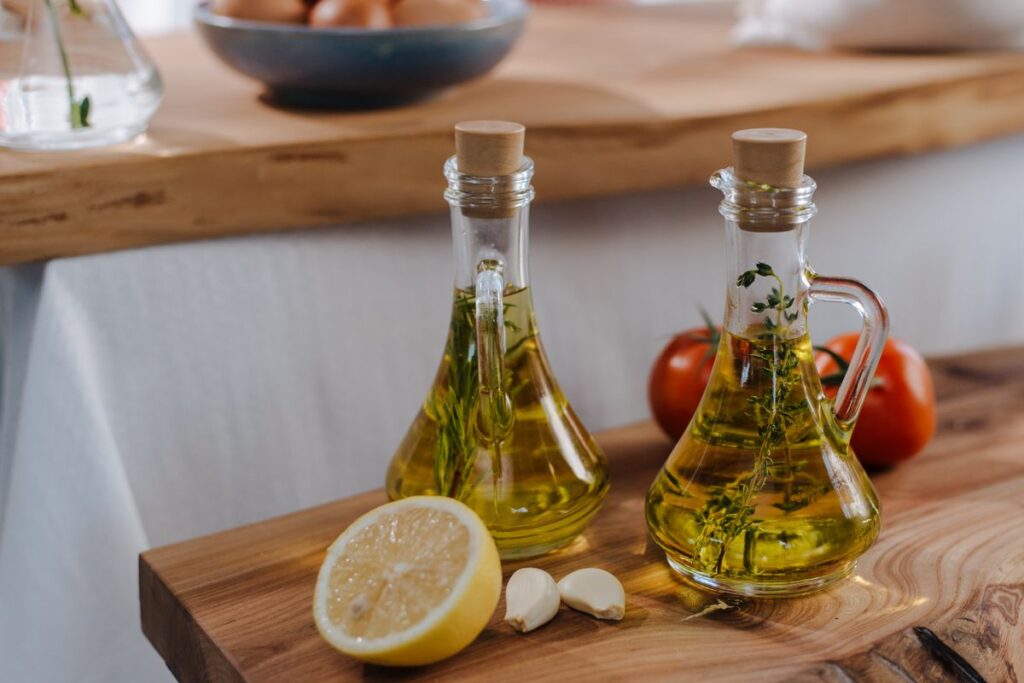
A spoonful of golden oil hits the hot karahi, and the whole kitchen fills with a sharp, peppery smell — that is sarson ka tel (سرسوں کا تیل), mustard oil, and every Pakistani home that cooks desi food knows it by that smell alone. But one litre can cost Rs 699 from one seller and Rs 1,520 from another, and both bottles say “cold pressed” on the label. What is the real cold pressed mustard oil price in Pakistan?
This guide gives you real, checked prices. We checked live seller pages on 26 November 2026 and recorded 22 verified price rows — 16 cooking-size bottles and 6 small hair-and-skin bottles — with a per-litre column so a 300ml bottle and a 5-litre pack can be compared fairly.
One honest note: BaBaShop does not sell mustard oil. This is a price and buying guide, not a product page. Where we could not verify a price or a claim, we say so plainly instead of guessing.
Quick answer: cold pressed mustard oil price in Pakistan 2026
- Rs 699 is the cheapest 1-litre bottle — OrganicTelWala, cold-pressed, down from Rs 900.
- Rs 666 per litre is the cheapest rate per litre — OrganicTelWala 3-litre pack at Rs 1,999.
- Rs 700 per litre is the best-known mill price — Brassica Oil 1 litre, kachi ghani, cash on delivery.
- Rs 1,520 is the dearest 1-litre bottle — Daali Earthfoods desi sarson oil, cold-pressed.
- Rs 939 is what a Mardan mill charges — Shaukat Oil 1 litre, pressed at its own mill since 1985.
- Rs 1,400 to Rs 1,878 a month is what a family cooking on mustard oil spends — about 2 litres a month at Rs 700 to Rs 939 a litre.
What this guide covers
- What is cold pressed mustard oil? Sarson ka tel explained
- Cold pressed mustard oil: verified price table
- Small bottles for hair and skin
- Read the per-litre column before you pay
- Mustard oil in Pakistan: the market in 2026
- Best cold pressed mustard oil in Pakistan: our honest pick
- How to choose: the 10-point check
- Smoke point and cooking with mustard oil
- Mustard oil for health: what the research actually says
- Who should buy it — and who should not
- Safety and side effects
- How to use it and how to store it
- City-wise prices: Karachi, Lahore, Islamabad, Sargodha
- Cost breakdown: what a month really costs
- 12.12 buying checklist
- Methodology: how we checked these prices
- FAQs
- Conclusion
What is cold pressed mustard oil? Sarson ka tel explained
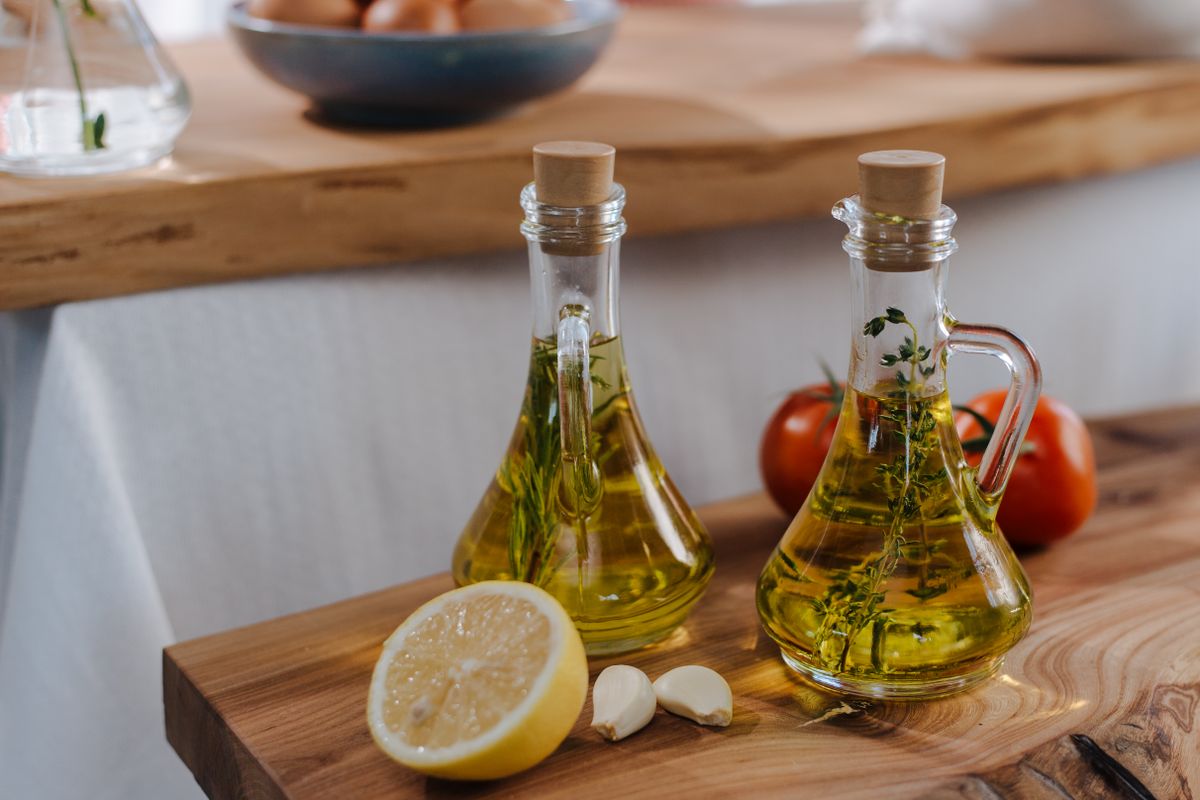
Cold pressed mustard oil is oil pressed from mustard seeds — Brassica juncea, the brown or black mustard grown across Punjab — without heating the seeds first and without chemical solvents. In Pakistan it is called sarson ka tel, also written sarso ka tel or roghan-e-sarson (روغنِ سرسوں), and the traditional method has its own name too: kachi ghani (کچی گھانی), the wooden cold-press mill. The oil is golden yellow, sharp-smelling and peppery on the tongue. That bite comes from a compound called allyl isothiocyanate, and it is the reason a tadka fried in mustard oil tastes like nothing else.
Mustard oil is used three ways in Pakistani homes: in the kitchen for tadka, salan, fish fry, saag and achar; on the hair and scalp as a weekly champi oil; and on the skin and joints as a warming massage oil in winter. One bottle often does all three jobs, which is why pack size matters so much — a 140ml bottle is a hair bottle, and a 5-litre pack is a kitchen bottle.
Cold-pressed vs refined mustard oil: the difference that decides the price
- Cold-pressed (kachi ghani): seeds are crushed mechanically at low temperature. The oil keeps its colour, smell and bite. Yield is lower, so the bottle costs more — Rs 700 to Rs 1,520 a litre in our table. This is the oil this guide is about.
- Refined mustard oil: the oil is heated, bleached and deodorised. The sharp smell is mostly gone, the colour is paler, and the price is lower. Refined mustard oil is rare on Pakistani online stores — the big cooking-oil brands do not sell a pure refined mustard oil at all (see the market section below).
- Blended cooking oil: not mustard oil at all. Dalda, Mezan, Habib, Sufi, Kisan, Eva and Season sell blended sunflower, canola and soybean oils. A 1-litre Dalda pouch costs about Rs 665 — but that is blended cooking oil, not sarson ka tel. Do not compare the two prices.
- Mustard essential oil: a different product entirely, made by steam distillation, used in tiny drops as a flavouring. It is not cooking oil and it is not what any seller in our table is selling.
One more thing to know before you shop: a bottle that says “mustard oil” with no mention of cold-pressing, kachi ghani or extraction method may still be cold-pressed — many small mills simply do not write it on the page. But a bottle that says “cold-pressed” and costs Rs 350 a litre should make you suspicious, not happy. Real cold-pressed oil from real seed cannot be that cheap — the seed alone costs more. The cheapest honest 1-litre price we verified is Rs 699.
Cold pressed mustard oil: the verified price table
Every price below was taken from a live seller page checked on 26 November 2026. The per-litre column is our own arithmetic, rounded to the nearest rupee. One row is marked sold out — we kept it in the table because it shows what the price was, and because a restock at the same price is likely. One pack is marked with a warning: OrganicTelWala labels its bottle “1 Litre” but its own product specifications say the quantity is 1 litre (900ml), so we worked its per-litre price out on 900ml, not 1,000ml.
| Seller | Product | Pack size | Price | Per litre | Note |
|---|---|---|---|---|---|
| Brassica Oil | Kachi Ghani Mustard Oil | 500ml | Rs 350 | Rs 700 | Cold-pressed. COD available. |
| Brassica Oil | Kachi Ghani Mustard Oil | 1 litre | Rs 700 | Rs 700 | Cheapest verified 1-litre rate per litre. |
| OrganicTelWala | Cold Pressed Mustard Oil (Sarso Ka Tel) | 1 litre (900ml) | Rs 699 | Rs 777 | Was Rs 900. Pack is 900ml, not 1,000ml — see note above. |
| Pakiza Foods | 100% Pure Mustard Oil (Sarso Oil) | 250ml | Rs 230 | Rs 920 | Sample size. 100% pure, cold-pressed not stated. |
| Pakiza Foods | 100% Pure Mustard Oil (Sarso Oil) | 500ml | Rs 450 | Rs 900 | Same oil, half the per-litre cost of the 250ml bottle. |
| Pakiza Foods | 100% Pure Mustard Oil (Sarso Oil) | 1 litre | Rs 750 | Rs 750 | Second-cheapest 1-litre bottle. |
| Gowara Foods | Cold-Pressed Mustard Oil | 1 litre | Rs 800 | Rs 800 | Claims “100% Pure & Lab Tested”. COD, free shipping over Rs 2,500. |
| Khursheed Foods | Cold-Pressed Mustard Oil | 1 litre | Rs 850 | Rs 850 | Cold-pressed, unrefined. Tando Allahyar, Sindh. |
| Khursheed Foods | Cold-Pressed Mustard Oil | 5 litre | Rs 4,320 | Rs 864 | Page text says Rs 4,300; variant data says Rs 4,320 — we used Rs 4,320. |
| Shaukat Oil | Kachi Ghani Mustard Oil | 300ml | Rs 390 | Rs 1,300 | Trial size. Same oil as the 1-litre bottle, at a higher per-litre rate. |
| Shaukat Oil | Kachi Ghani Mustard Oil | 1 litre | Rs 939 | Rs 939 | Own mill in Rustam, Mardan, since 1985. Free delivery over Rs 10,000. |
| Shaukat Oil | Kachi Ghani Mustard Oil | 5 litre | Rs 4,695 | Rs 939 | Same per-litre rate as the 1-litre bottle — no bulk saving. |
| Dajee Foods | Yellow Mustard Oil, Cold-Pressed | 1 litre | Rs 1,200 | Rs 1,200 | Sold out at the time of checking. 3L Rs 3,500, 5L Rs 5,750. |
| Multiversal Pure | Cold Pressed Mustard Oil (Sarson Ka Tail) | 1 litre | Rs 1,440 | Rs 1,440 | Was Rs 1,700. Lahore brand. COD available. |
| Daali Earthfoods | Desi Sarson Oil (Cold Pressed) | 1 litre | Rs 1,520 | Rs 1,520 | Dearest 1-litre bottle in the table. |
| OrganicTelWala | Pure Mustard Oil (Sarso Ka Tel) | 3 litre | Rs 1,999 | Rs 666 | Was Rs 2,500. Cheapest per-litre rate in the whole table. |
Sources: the seller pages listed above — brassicaoil.com, organictelwala.com, pakizafoods.pk, gowarafoods.com, khursheedfoods.com, shaukatoil.com, dajeefoods.com, multiversal.pk, daaliearthfoods.com.pk — all checked 26 November 2026. Prices can change; confirm on the seller’s page before you pay.
The honest range for a 1-litre bottle of cold-pressed mustard oil is Rs 699 to Rs 1,520. Per litre, cooking-size packs run from Rs 666 to Rs 1,520 — a two-and-a-quarter-fold gap. That gap is mostly about branding and packaging, not about the seed: the oil in a Rs 700 bottle and the oil in a Rs 1,520 bottle both come from mustard seed pressed without heat, and nothing on the dearer sellers’ pages explains why their oil should cost twice as much.
What we left out, and why: Khursheed Foods also lists a 3-litre pack at Rs 2,630 in its variant data (its page text says Rs 2,600) and a 10-litre pack at Rs 8,450 — we left both out of the table because the 3-litre price disagrees with the page text by Rs 30 and the 10-litre pack is a bulk size most homes will not buy. Shaukat Oil sells 6- and 12-bottle packs (Rs 5,352 and Rs 10,705) — left out for the same reason: they are the same Rs 939-a-litre oil in bulk. None of these is a guess; all three prices are real, and they are recorded here so nothing is hidden.
Small bottles for hair and skin
Small bottles are a different market from cooking bottles. They are sold for hair, scalp, massage and skin — not for the karahi — and their per-litre prices look shocking until you remember that a 10ml bottle is used a drop at a time. Do not compare a 10ml bottle with a 1-litre cooking bottle: they are different products for different jobs.
| Seller | Product | Pack size | Price | Per litre | Note |
|---|---|---|---|---|---|
| ChiltanPure | Mustard Oil (hair, skin) | 140ml | Rs 399 | Rs 2,850 | Best-known brand here. Size conflict — see note below. |
| ChiltanPure (via MamasJan) | Organic Mustard Oil, Cold Pressed (cooking) | 500ml | Rs 692 | Rs 1,384 | Reseller price. Brand’s own price not verified — see note below. |
| NatureZone | Mustard Oil | 100ml | Rs 350 | Rs 3,500 | Cold-pressed not stated on the page. |
| NatureZone | Mustard Oil | 200ml | Rs 550 | Rs 2,750 | Same oil as the 100ml bottle, cheaper per litre. |
| NaumanSab Oil Company | Mustard Oil | 125ml | Rs 500 | Rs 4,000 | Was Rs 1,200. Karachi manufacturer since 1960. |
| Dadi’s Dawa | Mustard Oil (Sarson Ka Tel) | 10ml | Rs 1,200 | Rs 120,000 | Trial and treatment size for hair and massage — not a cooking bottle. |
Sources: chiltanpure.com, mamasjan.com, naturezone.pk, naumansaboilcompany.com, dadisdawa.com — all checked 26 November 2026.
Two honest flags on ChiltanPure. First, the size: ChiltanPure’s own blog describes its hair-and-skin mustard oil bottle as 140ml, but the product page URL says “250ml” and the page text states no size at all. We used 140ml because the brand’s own blog says so, and worked the per-litre figure out on 140ml — if the bottle is really 250ml, the rate is Rs 1,596 a litre, not Rs 2,850. Second, the cooking bottle: ChiltanPure’s blog describes a 500ml Organic Mustard Oil for cooking, but we could not verify its price on chiltanpure.com itself. MamasJan, a reseller, lists it at Rs 692, while an older listing (Leyjao) quoted Rs 899. We used the reseller’s Rs 692 and marked it as such — do not treat it as the brand’s own price.
Read the per-litre column before you pay
The bottle price is the number sellers want you to see. The per-litre price is the number that tells you the truth. Look at Pakiza Foods: its 250ml bottle is Rs 230, its 500ml bottle is Rs 450, and its 1-litre bottle is Rs 750. The bigger bottle costs more — but per litre it is Rs 920, then Rs 900, then Rs 750. If your family cooks with mustard oil every day, the 1-litre bottle saves Rs 170 for every litre you use, against the 250ml bottle. The same pattern shows up at Shaukat Oil: the 300ml bottle is Rs 390, and the 1-litre bottle is Rs 939 — the small bottle costs Rs 1,300 a litre, the big one Rs 939.
The cheapest bottle is not always the cheapest oil. The OrganicTelWala “1 litre” bottle at Rs 699 looks like the cheapest 1-litre bottle in our table — and it is, by bottle price. But its own specifications say the pack holds 900ml, so per litre it costs Rs 777, and the Brassica 1-litre bottle at Rs 700 is actually cheaper per litre. And the Dadi’s Dawa 10ml bottle at Rs 1,200 costs Rs 120,000 a litre — which sounds absurd until you realise it is a treatment bottle, used a drop at a time for hair and massage, where 10ml lasts weeks. That does not make it a bad product: it makes it the wrong product to compare with a cooking bottle.
The two-minute rule: before you pay, divide the price by the litres and compare that number. For cooking, anything under Rs 900 a litre is fair value for cold-pressed mustard oil in Pakistan today. For hair and skin, the per-litre figure does not matter — buy the smallest bottle from a seller you trust and check the expiry date instead.
Mustard oil in Pakistan: the market in 2026
“Mustard oil in pakistan” gets about 90 searches a month, and “mustard oil pakistan” about the same — small numbers, but the people who search them are usually standing in a shop or on a seller’s page, deciding what to buy. Here is the market they are looking at.
First, the mandi benchmark. The Pakistan Bureau of Statistics tracks mustard oil as an essential item, and its weekly price release for the week ending 29 October 2026 put the national average at Rs 540.14 a kilo. A kilo of mustard oil is about 1.1 litres, so that works out to roughly Rs 490 a litre for loose, average-quality oil in the mandi. KissanStore, which tracks sarso rates daily, puts retail sarso tel at Rs 600 to Rs 900 a litre and sarso seed at Rs 5,750 to Rs 6,450 per 40kg bag (24 November 2026). Our verified cold-pressed prices — Rs 666 to Rs 1,520 a litre — sit above the loose-oil average, exactly as they should: bottled, branded, cold-pressed oil costs more than loose mandi oil.
Second, the big-brand gap. Dalda, Mezan, Habib, Sufi, Kisan, Eva and Season — the names on every Pakistani kitchen shelf — do not sell a pure mustard oil. Their cooking oils are blends of sunflower, canola and soybean oil. A 1-litre Dalda cooking oil pouch costs about Rs 665 at Foran in Karachi and Hyderabad (25 November 2026), and Mezan 1 litre costs about Rs 685 to Rs 700 — but those are blended oils, not sarson ka tel, and comparing their price with a cold-pressed mustard oil price is comparing two different products. If you want pure mustard oil, you buy it from a mill or a natural-products brand — Brassica, Shaukat, Khursheed, ChiltanPure, Gowara — not from a supermarket cooking-oil shelf.
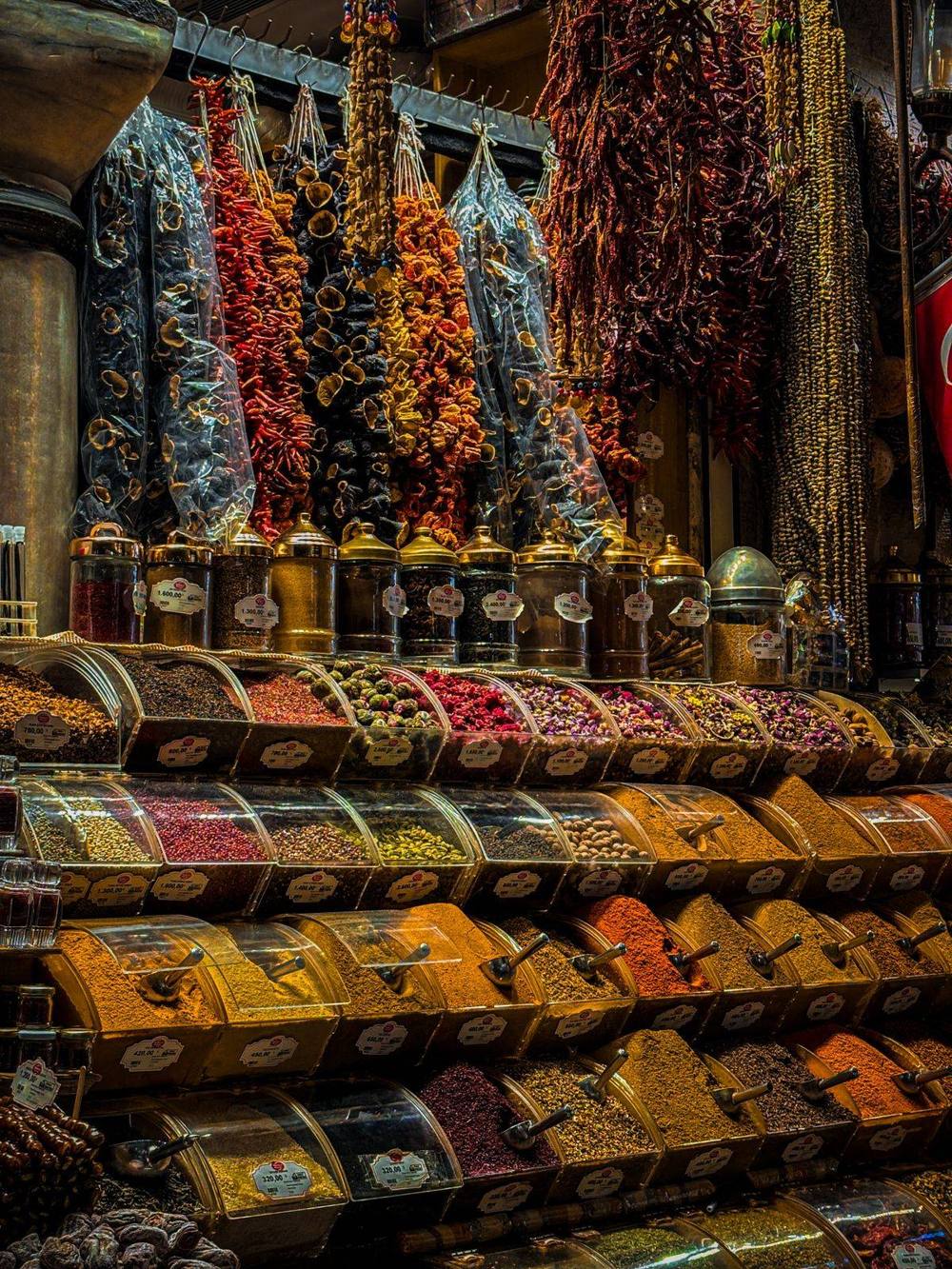
Third, the loose-oil question. In Lahore’s Akbari Mandi, Karachi’s Empress Market and Sargodha’s Urdu Bazaar, loose sarson ka tel is sold by weight from open drums. It is usually the cheapest oil you can buy — often close to the PBS average of about Rs 490 a litre. But it comes with no label, no batch date, no seal and no way to know whether it is pure mustard oil, mixed with cheaper oil, or old stock. We could not verify a current loose price from any seller page, so no loose price appears in our table. If you buy loose oil, buy it from a mill or shop you know personally, and smell it first: real cold-pressed mustard oil smells sharp and peppery. Flat, odourless oil is either refined or mixed.
The “organic” word: almost every seller in our table calls its oil “organic”, “100% natural” or “pure organic”. But on the pages we checked, none showed a certification number, a certifying body, or a certification logo we could verify. Their “organic” is the seller’s own claim. It may be true — but we cannot verify it, and neither can you from the listing alone. Gowara Foods claims its oil is “100% Pure & Lab Tested” but shows no lab report on the product page. Our site rules say never to call a product “organic” without proof, so this guide uses “organic mustard oil” only as the search term people type, and describes each seller’s claim as the seller’s claim — not as our verified fact.
Best cold pressed mustard oil in Pakistan: our honest pick
There is no single “best” mustard oil — the best choice depends on your budget and use. Here is our honest shortlist, based only on verified prices. We have not lab-tested any of these oils.
| If you want… | Pick | Why | Price |
|---|---|---|---|
| The lowest cost per litre | OrganicTelWala 3 litre | Rs 666 per litre — cheapest rate in the table. | Rs 1,999 |
| A 1-litre bottle, best value | Brassica Oil 1 litre | Rs 700 per litre, kachi ghani, COD. | Rs 700 |
| A mill you can name | Shaukat Oil 1 litre | Rs 939 per litre. Own mill in Rustam, Mardan, since 1985. | Rs 939 |
| A trusted brand for hair | ChiltanPure 140ml | Rs 399. Best-known brand here; 4.7 out of 5 from 7 reviews on its own page. | Rs 399 |
| Hair oil, best per-litre value | NatureZone 200ml | Rs 550 — Rs 2,750 per litre, cheaper than its own 100ml bottle. | Rs 550 |
What about buyer reviews? ChiltanPure shows its mustard oil at 4.7 out of 5 from 7 reviews on its own product page, and Khursheed Foods shows 5.00 out of 5 from 2 reviews. Seven reviews and two reviews are both too few to trust, and we could not verify a review count for the other sellers. We will not invent review scores. When you shortlist a seller, read its own reviews on its site before paying — that is the one check we cannot do for you.
How to choose: the 10-point check
Use this list every time you buy — it takes two minutes and catches most bad oil.
- Ingredients: one ingredient — mustard seed oil (Brassica juncea). Anything else means a blend, not pure oil.
- Extraction: the page should say cold-pressed, kachi ghani, or low-temperature pressing. “Pure” alone is not a method.
- Colour: golden yellow and clear. Pale, watery oil has been refined or mixed; dark brown oil is old.
- Smell: sharp, peppery, unmistakable. Flat or odourless oil is not cold-pressed kachi ghani oil.
- Seal and dates: sealed, with a batch number and manufacturing and expiry dates. No date, no buy.
- Per-litre price: work it out first. Below Rs 650 a litre for a “cold-pressed” 1-litre bottle, ask how the seller manages it. Above Rs 1,000 a litre, ask what the extra money buys.
- Pack size honesty: check the actual millilitres. One seller in our table labels a 900ml pack as “1 Litre” — read the specifications, not just the title.
- Seller reviews: read them on the seller’s own site. Two ratings is not enough to judge a seller.
- COD: prefer cash on delivery, so you can check the seal before paying.
- Loose oil: buy it only from a mill or shop you know personally. Smell it first — sharp and peppery is right, flat is wrong.
Smoke point and cooking with mustard oil
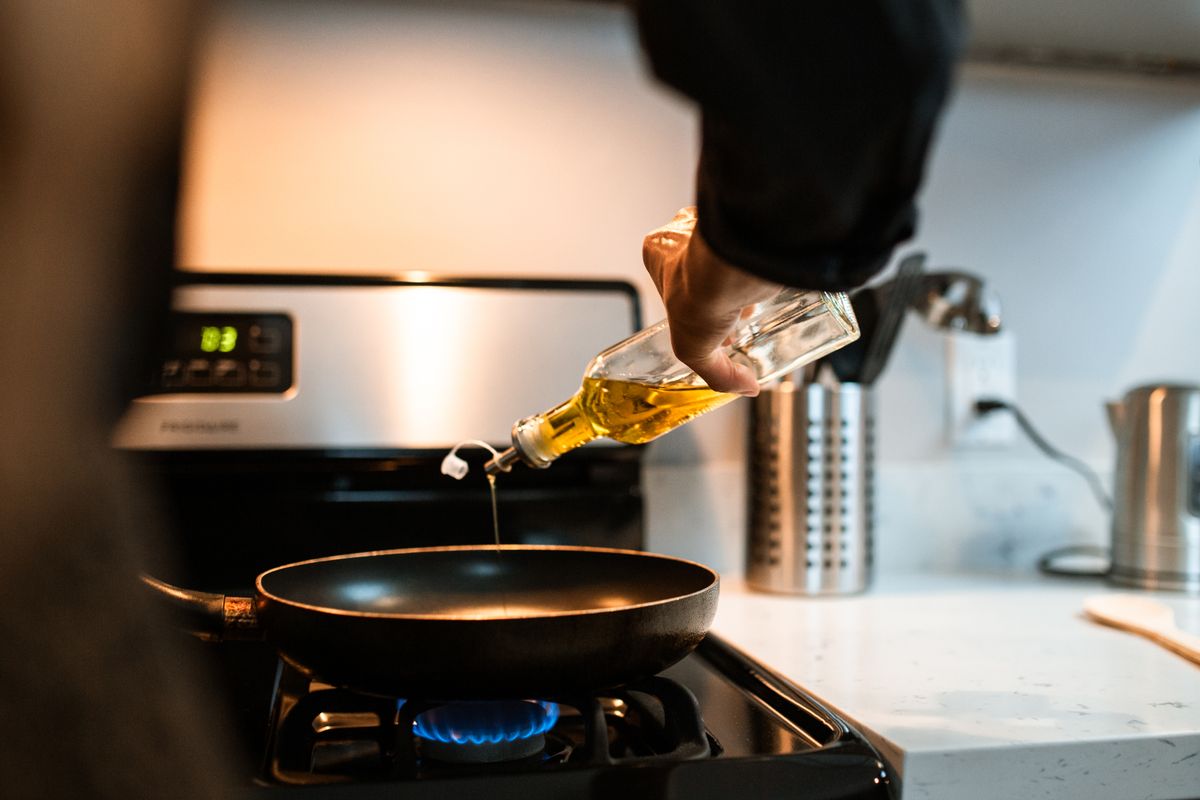
Mustard oil has a high smoke point — about 250°C (480°F) — which is why it suits Pakistani cooking so well. A tadka, a fish fry and a karahi all run hot, and an oil that breaks down at low heat fills the kitchen with smoke and turns bitter. Mustard oil holds up. That is the practical reason it has stayed in desi kitchens for generations, whatever the health debate says.
How to cook with it well
- Heat it first, then cool it slightly: the traditional method is to heat mustard oil until it just starts to smoke, then let it cool for a few seconds before adding spices. Heating it this way takes the raw edge off the pungency and is how most desi cooks use it.
- Best uses: tadka for daal and sabzi, fish fry, saag, achar and pickles, and any salan where you want that sharp desi flavour. Our ceylon cinnamon guide covers another spice that pairs well with a mustard-oil tadka.
- Not the best uses: baking, where its strong flavour overpowers everything, and salad dressings, where the bite is too sharp raw. For salads, a mild oil suits better — see our best coconut oil in Pakistan guide for a lighter option.
- Do not reuse it many times: oil that has fried fish or pakoras three or four times has broken down, however high its smoke point was when fresh. Use frying oil once or twice, then discard it.
Mustard oil for health: what the research actually says
Mustard oil is the most argued-about cooking oil in South Asia — praised as a traditional heart-healthy oil in India and Pakistan, and banned for food use in the United States, Canada and Europe. Both sides are talking about the same thing: erucic acid.
Here is what is established. Traditional mustard oil contains a lot of erucic acid — roughly 30 to 50 percent of its fatty acids, according to the reporting we checked. In the 1970s, animal studies found that very high erucic acid diets caused fat to build up in the hearts of laboratory rats (myocardial lipidosis). That finding is what led regulators in the US, Canada and the EU to ban pure mustard oil for use as a vegetable oil — it is sold there as “for external use only”. Healthline’s review of mustard oil states this plainly: pure mustard oil is banned for use as a vegetable oil in the United States, Canada and Europe, though it is widely used for cooking across South Asia.
Here is what is not established. A 2025 review in Nutrition Reviews, reported by NDTV, argues that humans process erucic acid differently from rats — we have efficient enzymes to break it down — and that no conclusive evidence has linked mustard oil eating to heart damage in humans despite centuries of use in Asia. A Harvard School of Medicine study with AIIMS New Delhi, also reported by NDTV, found that using mustard oil as the main cooking medium was associated with up to 70 percent lower risk of coronary heart disease. Treat that number with care: it is one reported study, not a settled fact, and it does not mean mustard oil prevents heart disease.
What else is in the oil? Mustard oil is low in saturated fat (about 12 percent), rich in monounsaturated fats, and contains alpha-linolenic acid (ALA), an omega-3 fatty acid. That is a good fat profile on paper. But the honest summary is this: the evidence for mustard oil’s health benefits is mixed and mostly indirect, the evidence for harm in humans is unproven rather than disproven, and no large human trial settles the question either way. We are not doctors, and this guide makes no medical claims.
What sellers claim vs what is proven
- “Good for the heart” — mixed evidence. The fat profile is good, and one reported study links it to lower heart-disease risk. But erucic acid is the reason regulators in the West restrict it, and the question is not settled.
- “Grows hair and stops hair fall” — not proven in trials. Healthline notes that most evidence for mustard oil on hair and skin is anecdotal. The oil coats the hair and adds shine, and scalp massage improves blood flow — but that is not the same as proven growth.
- “Cures joint pain” — not proven. Mustard oil contains allyl isothiocyanate, which affects pain receptors, and one animal study found it may reduce pain. That is a long way from a proven treatment for arthritis in people.
- “Antibacterial and antifungal” — some test-tube evidence. Test-tube studies show mustard essential oil can slow the growth of some bacteria and fungi. That does not mean the cooking oil disinfects your skin or your food.
Who should buy it — and who should not
Buy it if you cook desi food daily and want the real tadka flavour; make achar or pickles at home; want a traditional winter massage oil; or oil your hair weekly and like a strong, warming oil mixed with a lighter one — our castor oil guide explains how thick oils are mixed for champi. Do not buy it — or ask a doctor first — if you have a heart condition and eat a lot of fried food (ask your cardiologist about erucic acid before making it your daily cooking oil); have sensitive or eczema-prone skin (mustard oil can irritate — patch-test first); are buying it for a baby (never use mustard oil for infant massage — see the safety section); expect it to grow hair, cure dandruff or treat arthritis (it does none of those things in trials); or dislike strong flavours — mustard oil is the loudest oil in the kitchen, and there is no mild version of it.
Safety and side effects
Mustard oil has been used in South Asian kitchens and homes for centuries. But “traditional” does not mean “no side effects”.
- Erucic acid and moderation: the honest position is moderation. Mustard oil is a traditional food in Pakistan and India, and it is eaten daily by hundreds of millions of people. But it is also restricted for food use in the US, Canada and the EU because of erucic acid. If you cook with it every day, use it as one oil among others — not the only oil in the house — and do not deep-fry in it daily.
- Skin irritation and burns: Healthline warns that prolonged contact with pure mustard oil on the skin has been shown to cause serious skin burns. It is a warming, rubefacient oil — that warmth is the point for a massage, and the danger if it is left on too long or used undiluted on sensitive skin. Always patch-test on the inside of your arm first, wait 24 hours, and never leave it on broken skin.
- Allergy: mustard is a recognised allergen. Itching, redness, swelling or difficulty breathing means stop at once and seek help. People with a mustard allergy should not eat it or put it on their skin.
- Babies: never use mustard oil for infant massage. Babies’ skin absorbs far more than adult skin, and mustard oil is too irritating for them. Use a plain, mild oil instead.
- Eyes: keep it out of your eyes. The same compound that gives it its bite will sting badly in the eye. Rinse with clean water if it gets in.
- Pregnancy: cooking with mustard oil in normal food amounts is traditional and ordinary. But concentrated mustard oil, mustard essential oil and medicinal doses are a different matter — ask your doctor if you are unsure.
- Quality risk: loose, unlabelled oil from a market drum can be mixed with cheaper oils or old stock. A sealed bottle with a batch date is the basic safety check.
Honest note: we are not doctors or nutritionists, and this guide makes no medical claims — the health claims above come from Healthline’s review and the NDTV reporting of the Nutrition Reviews paper and the Harvard–AIIMS study, linked in the methodology section. If you have a heart condition, a skin condition, or an allergy, ask your doctor first. And remember: “not proven harmful in humans” is not the same as “proven safe” — it means the question is still open.
How to use it and how to store it
Mustard oil is used in the kitchen, on the hair and on the skin — but the same bottle should not do all three jobs without care. Kitchen oil picks up food smells, and hair oil picks up dust. If you buy one bottle, keep it in the kitchen. If you use it on your hair, keep a small separate bottle for that.
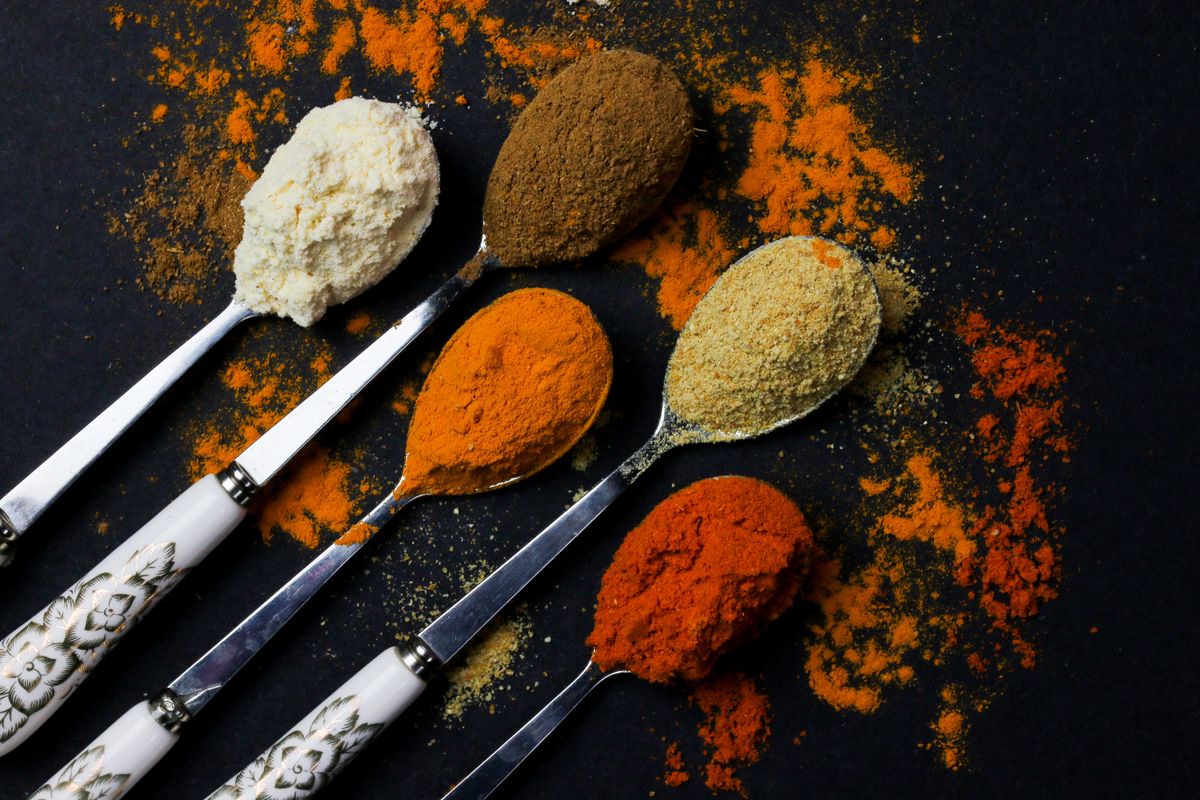
For cooking (tadka and frying)
- Heat the oil until it just starts to smoke, then let it cool for a few seconds before adding zeera, garlic or dried red chillies. This takes the raw edge off the flavour.
- Use about 2 to 3 tablespoons for a family salan. Mustard oil is strong — a little goes a long way, and more oil does not mean more flavour.
- For achar, warm the oil, cool it, then pour it over the spiced vegetables so it covers them. The oil is part of the preservation — keep the vegetables fully covered.
For hair (champi)
- Mix one part mustard oil with two parts coconut oil — see our best coconut oil in Pakistan guide for coconut oil prices — warm it between your palms, massage into the scalp, and leave it for at least 30 minutes before washing.
- Never use it neat on the scalp if your skin is sensitive. Patch-test on the inside of your arm first, and wash it out with shampoo — you may need two washes.
- Once a week is enough. Daily oiling does not add benefit, and it wastes oil.
For skin and massage
- Warm a small amount between the palms and massage into arms, legs or sore joints in winter. Wipe off any extra — a little goes a long way.
- Do not use it on the face if you have oily or acne-prone skin, and never on broken skin, rashes or eczema.
- Never use it on babies or small children.
Storage
- Keep the bottle in a cool, dry place, away from direct sunlight — a cupboard is fine, not the fridge.
- Always close the cap tightly, and use a clean, dry spoon — water in the bottle encourages spoilage.
- Stored properly, mustard oil keeps for 12 to 18 months. If it smells rancid, flat or like old paint, throw it away. If it has lost its sharp smell, it has lost what you paid for.
City-wise prices: Karachi, Lahore, Islamabad, Sargodha
Online prices are the same across Pakistan — a Brassica 1-litre bottle costs Rs 700 whether you order from Karachi or Sargodha. What changes by city is delivery and the offline market.
- Karachi: delivery takes 2–3 business days. NaumanSab Oil Company, making mustard oil in Karachi since 1960, lists its 125ml bottle at Rs 500. OrganicTelWala is also Karachi-based. Empress Market sells loose oil, with no verifiable price.
- Lahore: Multiversal Pure is based here. Akbari Mandi sells loose sarson ka tel by weight — but we could not verify a current loose price. Delivery from the online mills takes 2–3 days.
- Islamabad: same online prices, 2–3 day delivery. No separate Islamabad price list exists for any brand we checked.
- Sargodha and smaller cities: online ordering with COD is the practical route; Brassica, Shaukat, Khursheed, Gowara and ChiltanPure all deliver nationwide. Small-city shops and pansar stores can charge Rs 50 to Rs 100 more for the same bottle, and loose oil from a local mill is often the cheapest option — buy it from a mill you know, and smell it first.
Cost breakdown: what a month really costs
The bottle price is not the real cost. The real cost is what you use in a month.
Family cooking: about 2 litres a month (tadka, salan, frying)
| Oil (per-litre price) | Cost per litre | Cost per month (2 litres) |
|---|---|---|
| OrganicTelWala 3L (Rs 666 per litre) | Rs 666 | Rs 1,332 |
| Brassica 1L (Rs 700 per litre) | Rs 700 | Rs 1,400 |
| Gowara 1L (Rs 800 per litre) | Rs 800 | Rs 1,600 |
| Shaukat 1L (Rs 939 per litre) | Rs 939 | Rs 1,878 |
| Daali 1L (Rs 1,520 per litre) | Rs 1,520 | Rs 3,040 |
Two lessons follow. First, a family cooking on mustard oil spends Rs 1,332 to Rs 1,878 a month at the sensible prices — and the dearest bottle costs Rs 3,040 a month for the same 2 litres, more than twice as much. Second, the 3-litre pack is where the real saving lives: OrganicTelWala’s 3 litres at Rs 1,999 saves Rs 333 a month against buying three Brassica 1-litre bottles. Delivery matters too: Shaukat Oil gives free delivery only above Rs 10,000, and Gowara gives free shipping above Rs 2,500 — a Rs 700 bottle plus Rs 200 delivery costs Rs 900 landed. Always check the delivery charge before you compare.
For hair, the maths is different again. A weekly champi uses about 10ml of mustard oil mixed with coconut oil — about 40ml a month. At the NatureZone 200ml rate of Rs 2,750 a litre, that is Rs 110 a month. At the ChiltanPure rate of Rs 2,850 a litre, it is Rs 114 a month. For hair, the bottle size matters more than the brand: a 200ml bottle lasts five months at weekly use.
12.12 buying checklist
The 12.12 sale is on 12 December 2026. Mustard oil is a kitchen staple, so a sale will not save you thousands — but it can still save real money on a 3-litre or 5-litre pack.
- Shortlist now. Pick two options (for example, Brassica 1 litre at Rs 700 and OrganicTelWala 3 litre at Rs 1,999) and note their prices today.
- Watch the “was” price. If a seller raises the price before 12.12 and then “discounts” it back, you save nothing. Your notes from today are your protection. OrganicTelWala’s 1-litre bottle is already listed at Rs 699, down from Rs 900 — check whether that discount is still there on 12.12.
- Buy the bigger pack on sale. The per-litre saving on 3-litre and 5-litre packs is where the real discount lives — and a 3-litre pack lasts six weeks at daily cooking use.
- Pay by COD if you are unsure. Cash on delivery lets you check the seal before paying. BaBaShop’s own store offers Rs 50 off on Raast payments — but only on BaBaShop products, not mustard oil sellers.
Looking for seeds and nutrition for your kitchen?
BaBaShop does not sell mustard oil — but our chia seeds, flax seeds and other Seeds and Nutrition essentials are made for Pakistani kitchens, with cash on delivery across Pakistan.
Questions? WhatsApp us at 0302-4096495.
Related BaBaShop guides
If this guide helped, these ones will too.
- Best Coconut Oil in Pakistan
- Castor Oil Price in Pakistan
- Clove Oil Price in Pakistan
- Ceylon Cinnamon in Pakistan
- Chia Seeds — BaBaShop.pk
- Golden Flax Seeds — BaBaShop.pk
Methodology: how we checked these prices
We checked live seller pages on 26 November 2026 and recorded the price shown on the page that day. We did not phone sellers for quotes or copy prices from other buying guides — except for the one ChiltanPure 500ml row marked “via MamasJan”, which is labelled as a reseller price. Per-litre figures are our own arithmetic, rounded to the nearest rupee. Where a page disagreed with itself — Khursheed’s 5-litre pack (Rs 4,300 in the text, Rs 4,320 in the variant data) and OrganicTelWala’s “1 Litre (900ml)” pack — we said so in the table and used the figure that matches the actual quantity.
About the keyword itself: “cold pressed mustard oil” gets about 170 searches a month in Pakistan with a keyword difficulty of 6 (free Semrush Pakistan database, 24 November 2026 run). That is below BaBaShop’s usual 1,000+ monthly volume rule, so this is a low-volume niche guide, written because the mustard oil family is a real, searched set of questions that Pakistani shoppers ask, and because no mustard oil guide existed on BaBaShop. The family keywords and their volumes are stated in their own sections above: mustard oil in pakistan 90/mo (KD 7), mustard oil pakistan 90/mo (KD 5).
What we could not verify: a current seller-page price for Saeed Ghani mustard oil (no listing found); any verifiable mustard oil listing on Daraz Pakistan; a pure mustard oil product from Dalda, Mezan, Habib, Sufi, Kisan, Eva or Season (they sell blended cooking oil, not pure mustard oil); the bottle size for ChiltanPure’s hair-and-skin mustard oil (its blog says 140ml, its product URL says 250ml, the page states no size); the brand’s own price for ChiltanPure’s 500ml Organic cooking oil (reseller prices conflict: Rs 692 vs Rs 899); any current loose-mandi price for sarson ka tel from a seller page; organic certification for any local seller; lab-tested composition for any seller’s own oil; and aggregated buyer reviews (only 7 ratings for ChiltanPure and 2 for Khursheed). All of these were left out or flagged rather than guessed.
What we have not tested: we have not used or lab-tested any of these oils. We do not sell mustard oil, we have no lab results, and the prices are the sellers’ own listed prices — not our recommendation of any one brand. No expert reviewed this draft — we cite Healthline’s mustard oil review and the NDTV reporting of the Nutrition Reviews paper and the Harvard–AIIMS study by name and link instead.
Sources used for health and research claims: Healthline, “8 Benefits of Mustard Oil, Plus How to Use It”; NDTV, “Is Mustard Oil Really Harmful For Heart Health?” (Nutrition Reviews 2025; Harvard–AIIMS study). Product prices: the seller pages listed under the price tables, including Shaukat Oil and ChiltanPure’s mustard oil guide. Market benchmark: Pakistan Bureau of Statistics weekly prices via IndexBox (mustard oil averaged Rs 540.14 a kilo, week ending 29 October 2026).
About BaBaShop: BaBaShop.pk is an online store in Sargodha (Shop No: 85, General Bus Stand, Jinnah Colony). Delivery on our own products is weight-based at Rs 200 per 0.5 kg slab. Cash on delivery is available across Pakistan, and Raast online payment gets Rs 50 off.
FAQs: cold pressed mustard oil price in Pakistan
1. What is the cold pressed mustard oil price in Pakistan?
A 1-litre bottle costs Rs 699 to Rs 1,520 from Pakistani sellers. Per litre, cooking-size packs run from Rs 666 (OrganicTelWala 3 litre at Rs 1,999) to Rs 1,520 (Daali 1 litre). The best-value 1-litre bottle is Brassica Oil at Rs 700 a litre.
2. What is the mustard oil price in Pakistan per litre?
Loose mandi oil averages about Rs 490 a litre (PBS weekly average, Rs 540.14 a kilo, week ending 29 October 2026). Bottled cold-pressed mustard oil costs Rs 666 to Rs 1,520 a litre, and retail guides put sarso tel at Rs 600 to Rs 900 a litre. Small hair-and-skin bottles cost far more per litre — Rs 2,750 to Rs 4,000 — because they are sold by the drop, not by the litre.
3. What is the best cold pressed mustard oil in Pakistan?
There is no single best brand — it depends on your budget and use. Lowest cost per litre: OrganicTelWala 3 litre at Rs 1,999 (Rs 666 per litre). Best-value 1-litre bottle: Brassica Oil at Rs 700. A mill you can name: Shaukat Oil at Rs 939, pressed at its own mill in Rustam, Mardan, since 1985. For hair: ChiltanPure 140ml at Rs 399. We have not lab-tested any of these.
4. Is mustard oil good for cooking?
Mustard oil suits Pakistani cooking well because its smoke point is about 250°C, so it holds up in a hot karahi, for tadka and for frying. Heat it until it just starts to smoke, then cool it slightly before adding spices. The health question is not settled: it is rich in monounsaturated fats and omega-3 ALA, but it is high in erucic acid, which is why the US, Canada and the EU restrict it for food use. Use it in moderation, as one oil among others.
5. Is cold pressed mustard oil safe?
In normal cooking amounts, mustard oil is a traditional food eaten daily across South Asia, and no conclusive evidence links it to heart damage in humans. But it is high in erucic acid, so use it in moderation and ask a doctor if you have a heart condition. On skin, patch-test first — prolonged contact with pure mustard oil can cause serious skin burns. Never use it on babies, and never use mustard essential oil as cooking oil.
6. What is the difference between cold pressed and refined mustard oil?
Cold-pressed (kachi ghani) mustard oil is pressed from the seeds mechanically at low temperature, without heat or chemical solvents, so it keeps its golden colour, sharp smell and peppery bite. Refined mustard oil is heated, bleached and deodorised, so the smell is mostly gone and the price is lower. The big cooking-oil brands in Pakistan do not sell a pure mustard oil at all — their oils are sunflower, canola and soybean blends.
7. Does mustard oil grow hair?
No — there is no good human evidence that mustard oil grows hair or stops hair fall. Healthline notes that most evidence for mustard oil on hair and skin is anecdotal. The oil coats the hair and adds shine, and scalp massage improves blood flow, but that is not proven growth. A weekly champi with mustard oil mixed with coconut oil costs about Rs 110 a month.
8. Does BaBaShop sell mustard oil?
No. BaBaShop does not sell mustard oil. This is a price and buying guide only. Our chia seeds and golden flax seeds are available with cash on delivery across Pakistan. WhatsApp us at 0302-4096495.
Conclusion: cold pressed mustard oil price in Pakistan
The cold pressed mustard oil price in Pakistan comes down to three numbers. A 1-litre bottle costs Rs 699 to Rs 1,520. Per litre, cooking-size packs cost Rs 666 to Rs 1,520, and a family cooking on mustard oil spends Rs 1,332 to Rs 1,878 a month at the sensible prices. Small hair-and-skin bottles cost Rs 2,750 to Rs 4,000 a litre — but a weekly champi still costs only about Rs 110 a month, because you use so little.
Buy the 1-litre Brassica bottle first to test the oil at Rs 700. Then buy the 3-litre pack if you cook with it daily — that is where the real saving lives. Check the label (one ingredient, cold-pressed, sealed, with a batch date), check the actual millilitres, and work out the per-litre price before you compare. And do not pay extra for “organic” unless you can see a certificate: the word on its own buys you nothing.
Before the 12.12 sale, write down today’s prices for your two shortlisted bottles. That one habit is worth more than any discount banner. And if you want seeds and nutrition from a shop that states its prices plainly, BaBaShop’s golden flax seeds are here: babashop.pk/product/golden-flax-seeds/.
Transparency note: BaBaShop does not sell mustard oil. All prices are market prices from the sellers’ own live pages, checked on 26 November 2026. Prices can change — confirm on the seller’s page before you pay. This guide contains no affiliate links. The keyword “cold pressed mustard oil” gets about 170 searches a month in Pakistan (KD 6), below our usual 1,000+ volume rule — see the methodology section above.
Written by BaBaShop.pk Team, Sargodha — Shop No: 85, General Bus Stand, Jinnah Colony. WhatsApp: 0302-4096495. Updated: 26 November 2026.