
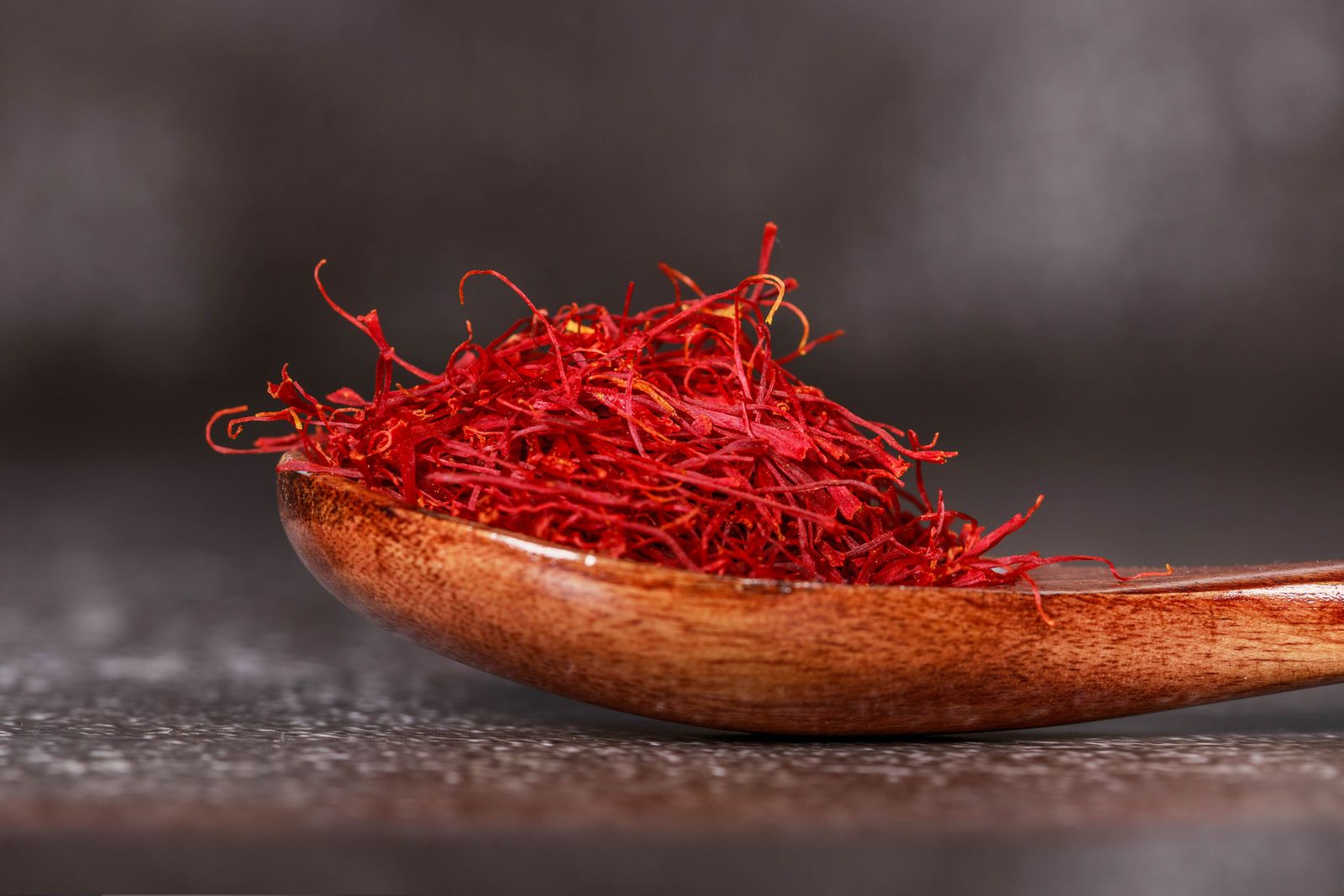
Saffron price in Pakistan starts at Rs 750 for a 1-gram pack and rises to Rs 1,400 for a 1-gram pack of lab-tested Iranian Sargol. That is the honest range for one gram. A full kilo costs Rs 640,000 to Rs 660,000. Most buyers in Pakistan buy one gram at a time, and one gram lasts a household weeks, because a pinch is all a dish needs. This guide gives you the real prices we checked live on 21 November 2026, the grades behind the prices, and the tests that tell real saffron from dyed fakes.
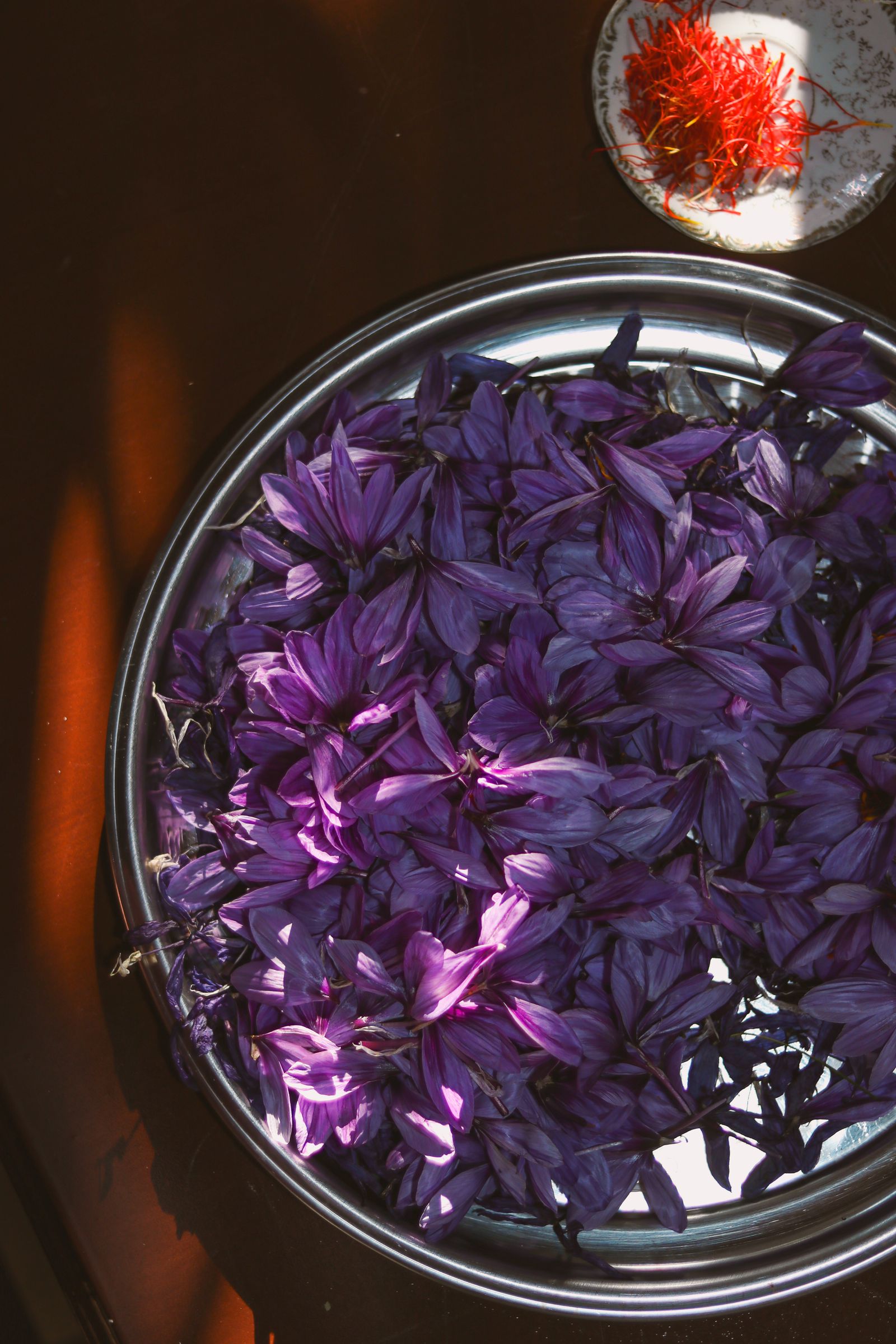
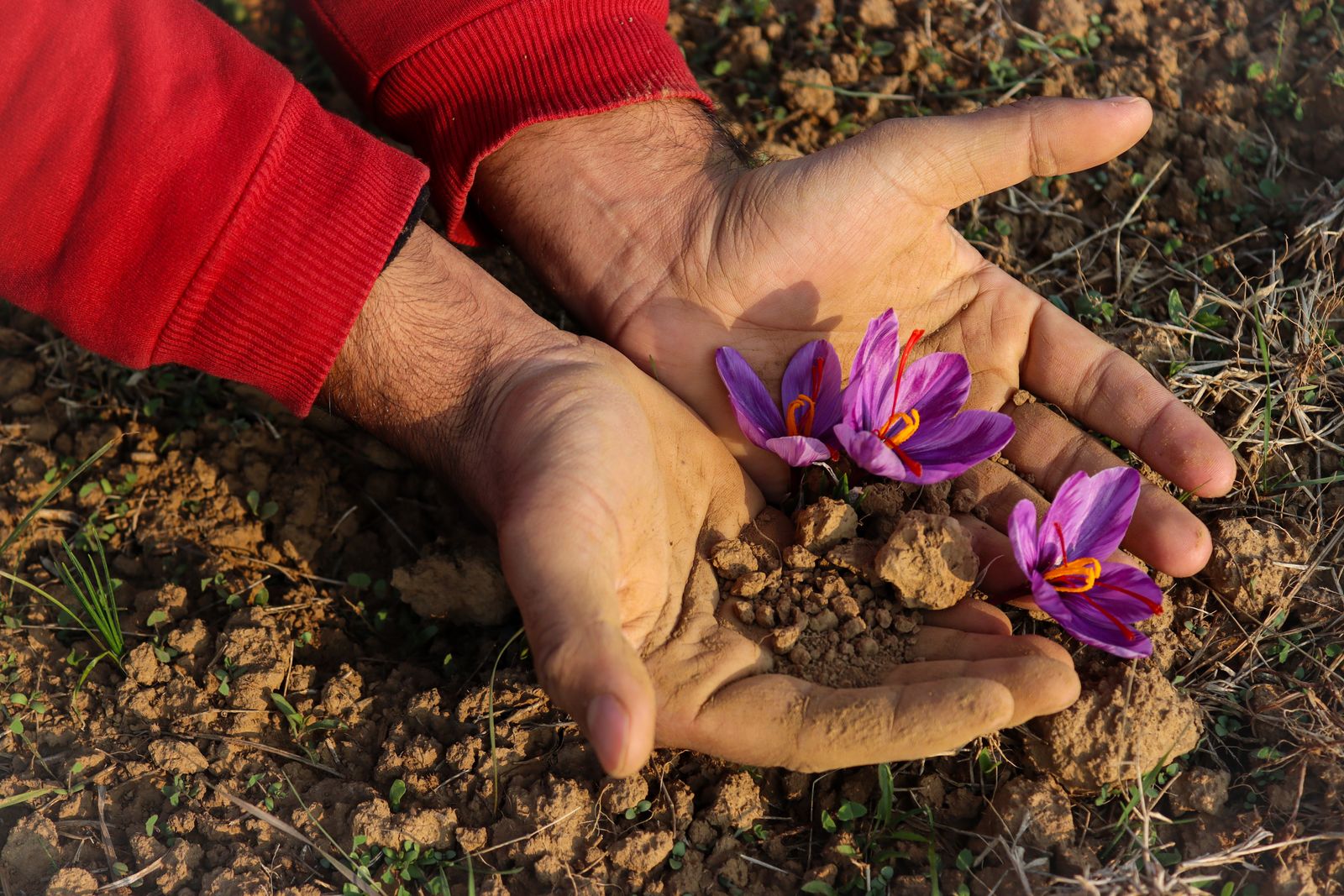
Saffron — zafran in Urdu, kesar in Hindi — is the dried stigma of the saffron crocus flower. Each flower gives only three threads. Each thread is picked by hand. That is why a gram costs more than a kilo of most dry fruit, and why the market is full of fakes. A cheap pack is not a bargain. It is usually dyed corn silk, safflower, or coloured threads that give your biryani a red stain and nothing else.
This guide covers real prices checked live on 21 November 2026. Every price in the tables below comes from a Pakistani seller page we opened the same day. No guessed figures. No old listings. Where a price could not be checked, we say so plainly. BaBaShop.pk does not sell saffron. We sell seeds — chia, flax and sunflower — and the CTA at the end of this guide points there, not to a saffron product we do not stock.
Roman Urdu mein isay aam tor par zafran ya kesar kaha jata hai — is guide mein aap ko “saffron”, “zafran” aur “kesar” teeno naam milenge, ek hi cheez ke liye.
Quick answer: saffron price in Pakistan 2026
- Rs 750 — lowest verified 1-gram price: Farm Fresh Pure Irani Zafran, 1g pack.
- Rs 820 — Hunza Foodways Kashmiri Original saffron, 1g pack (listed as out of stock on the day we checked).
- Rs 999 — EatSmart Premium Saffron, 1g pack (marked down from Rs 1,400).
- Rs 1,050 — Khan Dry Fruits zafran, 1g pack (checked on their live store on 27 October 2026).
- Rs 1,100 — Al-Fatah FF N&M Premium Saffron, 1g pack.
- Rs 1,200 — Bajaur Foods Premium saffron, 1g pack, free delivery.
- Rs 1,400 — Cure by Pure Original Iranian Saffron, Grade-1 Sargol, 1g pack, lab-tested.
- Rs 2,500 — Cure by Pure Sargol, 2g pack (Rs 1,250 per gram).
- Rs 4,200 — Farm Fresh Irani Zafran, 5g pack (Rs 840 per gram).
- Rs 6,000 — Cure by Pure Sargol, 5g pack (Rs 1,200 per gram).
- Rs 8,400 — Dry Fruits Mart, 1 tola (11.66g), starting price (about Rs 720 per gram).
- Rs 640,000–Rs 660,000 — 1kg saffron in Pakistan: Dry Fruits Mart from Rs 640,000; Hunza Foodways Rs 660,000.
- Best value for most homes: one Rs 750–Rs 1,050 1-gram pack from a seller that names the origin and the grade. A gram lasts weeks.
In this guide:
- Saffron Price in Pakistan 2026: Full Price Table
- Saffron 1kg Price in Pakistan
- Saffron Per Kg Price in Pakistan: The Per-Gram Maths
- Why Is Saffron So Expensive?
- Saffron Grades: Iranian vs Kashmiri vs Spanish vs Afghan
- How to Spot Real Saffron (and Fake Saffron)
- How to Use Saffron: Soaking, Quantity and Storage
- Saffron Nutrition: Per 100g
- Saffron Benefits: Traditional Use, Not Medical Fact
- Saffron Safety: How Much Is Too Much?
- Full Cost Breakdown: What 1 Gram Really Costs You
- Where to Buy Saffron in Pakistan: Online vs Local Market
- City-Wise Buying Notes
- Who Should Buy — and Who Should Skip
- 7 Common Mistakes to Avoid
- Related Guides from BaBaShop.pk
- Where to Go Next
- FAQs: Saffron Price in Pakistan
- Conclusion
- Methodology and Transparency
Saffron Price in Pakistan 2026: Full Price Table
The table below lists every price we could verify live on 21 November 2026. The “Per gram” column matters most. Saffron is sold by the gram in Pakistan, and packs come in 1g, 2g, 3g, 5g, 10g and 1kg sizes. A Rs 2,500 pack is not dearer than a Rs 1,400 pack if it holds twice the saffron. Always divide the price by the grams before you compare.
One warning before the table. The cheapest Kashmiri saffron in the table — Hunza Foodways at Rs 820 per gram — was listed as out of stock on the day we checked. A price you cannot buy at is not a price you can count on. We keep it in the table because it shows what Kashmiri saffron sells for, but we mark it plainly.
| Saffron / Brand | Origin & Grade | Pack | Price | Per gram | Seller / Source | Availability note |
|---|---|---|---|---|---|---|
| Pure Irani Zafran | Iranian threads | 1g | Rs 750 | Rs 750 | Farm Fresh | In stock; COD; free delivery above Rs 5,000, else Rs 250 |
| Kashmiri Original Saffron | Kashmiri, whole threads | 1g | Rs 820 | Rs 820 | Hunza Foodways | Listed as out of stock on 21 Nov 2026 |
| Premium Saffron | Grade A+ long red threads | 1g | Rs 999 | Rs 999 | EatSmart | In stock; marked down from Rs 1,400; ships from Lahore |
| Zafran | Not stated on guide page | 1g | Rs 1,050 | Rs 1,050 | Khan Dry Fruits | Checked on live store 27 Oct 2026; free delivery above Rs 5,000 |
| FF N&M Saffron Premium | Not stated on page | 1g | Rs 1,100 | Rs 1,100 | Al-Fatah | In stock; sold in Al-Fatah stores in Lahore, Islamabad and other cities |
| Premium Saffron | Whole threads | 1g | Rs 1,200 | Rs 1,200 | Bajaur Foods | In stock; free delivery; advance payment only |
| Original Iranian Saffron | Iranian, Grade-1 Sargol, lab-tested | 1g | Rs 1,400 | Rs 1,400 | Cure by Pure | In stock; COD; prices on page marked updated July 2026 |
| Kashmiri Original Saffron | Kashmiri, whole threads | 3g | Rs 2,290 | About Rs 763 | Hunza Foodways | Listed as out of stock on 21 Nov 2026; see note below on Rs 2,099 |
| Original Iranian Saffron | Iranian, Grade-1 Sargol, lab-tested | 2g | Rs 2,500 | Rs 1,250 | Cure by Pure | In stock; COD |
| Pure Irani Zafran | Iranian threads | 5g | Rs 4,200 | Rs 840 | Farm Fresh | In stock; COD; money-back guarantee |
Per-gram figures are our own maths, not seller claims. We divided the pack price by the pack weight. Where a seller lists a price range rather than one price, we used the figure its own product data gives for that pack size.
Key takeaway: A 1-gram pack of saffron in Pakistan costs Rs 750 to Rs 1,400, and the price follows the origin and the grade, not just the weight. The cheapest per-gram saffron we verified is Rs 750 (Farm Fresh, 1g) and the dearest is Rs 1,400 (Cure by Pure Sargol, 1g). Bigger packs bring the per-gram price down: Hunza’s 3g pack works out at about Rs 763 per gram, and Farm Fresh’s 5g pack at Rs 840 per gram. Below Rs 750 per gram for a 1g pack, be careful — that is where dyed fakes live.
What the price range really means
Rs 750 buys the Farm Fresh Irani 1g pack. It is the lowest verified 1-gram price in this guide, and it comes with cash on delivery and a money-back guarantee. At that price, one gram costs less than a family pizza. The catch is the same as with every cheap saffron: check the threads when they arrive. Use the cold water test in the fake-spotting section below before you cook with them.
Rs 820 to Rs 1,050 is the middle of the market. Hunza Foodways lists Kashmiri saffron at Rs 820 per gram, but it was out of stock when we checked. EatSmart sells a 1g pack at Rs 999, marked down from Rs 1,400. Khan Dry Fruits sells a 1g pack at Rs 1,050, checked on their live store on 27 October 2026. These three are where most buyers should look first: named sellers, named packs, prices you can check yourself.
Rs 1,100 to Rs 1,400 is the top of the 1-gram range. Al-Fatah sells its FF N&M Premium 1g pack at Rs 1,100 in its stores. Bajaur Foods sells a 1g pack at Rs 1,200 with free delivery. Cure by Pure sells lab-tested Grade-1 Sargol at Rs 1,400 per gram, with the 2g pack at Rs 2,500 and the 5g pack at Rs 6,000. You pay more here for two things: a named grade (Sargol) and a lab test. Whether that is worth Rs 400–Rs 650 more per gram than the cheapest pack depends on what you want the saffron for. For a wedding biryani, the tested pack is the safer buy. For a weekly kheer, the Rs 750–Rs 999 packs do the same job if the threads pass the water test.
Two prices we could not use
Daraz.pk lists saffron, but we could not open a Daraz product page with a clear PKR price for a named saffron pack on 21 November 2026, so we list no Daraz figure. A marketplace range across many sellers is not one product we checked. If you buy on Daraz, check the per-gram price on the listing page itself before paying — and read the net weight on the pack, not just the title. A 0.5g sachet and a 1g jar can look the same size in a photo.
Saughaat is quoted in older articles at Rs 800 for 1g and Rs 1,400 for 2g, but another article quotes the same brand at Rs 1,000 for 1g and Rs 1,800 for 2g. Two different prices from two secondary articles, and no Saughaat product page we could open to settle it. We list neither figure. When two sources disagree and the seller’s own page cannot be opened, the honest answer is to leave it out.
One more note. The Hunza Foodways page says “Rs 2,099 for 3 grams” in one line, but says Rs 2,290 for 3 grams in two other places, and its own product data lists the price range as Rs 820 to Rs 2,290. We use Rs 2,290, because it matches the product data and the majority of the page. If you order from Hunza, confirm the 3g price on the checkout page before paying.
Saffron 1kg Price in Pakistan
Saffron 1kg price in Pakistan is Rs 640,000 to Rs 660,000 for the two verified kilo listings we could check. Almost nobody buys a kilo of saffron for home cooking. A kilo is a trader’s quantity, or a restaurant’s yearly stock. We list it here because the search term is real — 110 searches a month — and because the per-kilo price is the only honest way to compare saffron with other spices by weight.
| Saffron / Brand | Pack | Price | Per gram | Seller / Source | Availability note |
|---|---|---|---|---|---|
| Original Iranian Saffron | 5g | Rs 6,000 | Rs 1,200 | Cure by Pure | In stock; Grade-1 Sargol, lab-tested |
| Kashmiri Original Saffron | 10g | Rs 6,990 | About Rs 699 | Hunza Foodways | Listed as out of stock on 21 Nov 2026 |
| Zafran (Saffron) | 1 tola (11.66g) | Rs 8,400 | About Rs 720 | Dry Fruits Mart | Starting price (“from Rs 8,400”); shop in Faisalabad |
| Zafran (Saffron) | 1kg | Rs 640,000 | About Rs 640 | Dry Fruits Mart | Starting price (“from Rs 640,000”) |
| Kashmiri Original Saffron | 1kg | Rs 660,000 | Rs 660 | Hunza Foodways | Listed as out of stock on 21 Nov 2026 |
One tola is about 11.66 grams. That is the weight Pakistani buyers know best, and saffron sellers still quote it. At Rs 8,400 a tola, the per-gram price works out at about Rs 720 — cheaper per gram than any 1g pack in the main table, which is how bulk buying should work. At Rs 640,000 a kilo, the per-gram price works out at about Rs 640. The kilo price is the floor. No honest retail pack should cost less per gram than the kilo price by much. If a seller offers you 1g at Rs 400, that pack is either not saffron or not a full gram.
Should you buy a bigger pack?
For most homes, no. A 1g pack lasts weeks. A 5g pack lasts months. Saffron fades in light and air, so a big pack opened and kept for a year loses colour and aroma while it sits in your kitchen. Buy 1g. Use it. Buy again. The per-gram saving on a 5g pack — Rs 840 a gram at Farm Fresh against Rs 750 a gram for its own 1g pack — is small, and in that case the 1g pack is actually cheaper per gram, which shows why you must always divide before you compare. The real saving on bigger packs shows at 10g and above: Hunza’s 10g pack works out at about Rs 699 per gram, against Rs 820 for its 1g pack. That saving only helps if you cook with saffron every week and store the pack properly — airtight, cool, dark, away from the stove.
For a restaurant, a caterer, or a family that cooks biryani every week, a 5g or 10g pack makes sense. For a home that uses saffron at Eid and on special Sundays, a 1g pack is the right size. Buy the size you will finish while it is still fresh, not the size with the lowest per-gram number.
Saffron Per Kg Price in Pakistan: The Per-Gram Maths
Saffron per kg price in Pakistan works out at about Rs 640,000 to Rs 1,400,000 per kilo, depending on how you buy it. That range looks strange until you see the maths. The kilo price is Rs 640,000–Rs 660,000 when you buy a whole kilo. The same saffron bought one gram at a time at Rs 1,400 a gram works out at Rs 1,400,000 a kilo. Both numbers are true. The difference is the pack size, not the spice.
Here is the per-gram price for every verified pack, smallest to largest:
| Pack size | Seller | Pack price | Price per gram |
|---|---|---|---|
| 1g | Farm Fresh (Irani) | Rs 750 | Rs 750 |
| 1g | Hunza Foodways (Kashmiri) | Rs 820 | Rs 820 |
| 1g | EatSmart (Premium) | Rs 999 | Rs 999 |
| 1g | Khan Dry Fruits | Rs 1,050 | Rs 1,050 |
| 1g | Al-Fatah FF N&M | Rs 1,100 | Rs 1,100 |
| 1g | Bajaur Foods | Rs 1,200 | Rs 1,200 |
| 1g | Cure by Pure (Sargol) | Rs 1,400 | Rs 1,400 |
| 2g | Cure by Pure (Sargol) | Rs 2,500 | Rs 1,250 |
| 3g | Hunza Foodways (Kashmiri) | Rs 2,290 | About Rs 763 |
| 5g | Farm Fresh (Irani) | Rs 4,200 | Rs 840 |
| 5g | Cure by Pure (Sargol) | Rs 6,000 | Rs 1,200 |
| 10g | Hunza Foodways (Kashmiri) | Rs 6,990 | About Rs 699 |
| 1 tola (11.66g) | Dry Fruits Mart | Rs 8,400 | About Rs 720 |
| 1kg | Dry Fruits Mart | Rs 640,000 | About Rs 640 |
| 1kg | Hunza Foodways (Kashmiri) | Rs 660,000 | Rs 660 |
The pattern is clear. Small packs cost more per gram. The dearest per-gram price in this guide is Rs 1,400 for a 1g Sargol pack. The cheapest is about Rs 640 per gram for a full kilo. Between them sits the honest retail band: Rs 750 to Rs 1,250 per gram for packs of 1g to 5g. If a seller quotes you a per-gram price far below Rs 640, ask what is in the pack. If a seller quotes far above Rs 1,400 for a plain 1g pack with no grade and no lab test, ask what you are paying extra for.
Tip: Always ask for the net weight in grams before you pay. Saffron packs in Pakistan come in 0.25g, 0.5g, 1g, 2g, 3g, 5g and 10g sizes. A 0.5g sachet at Rs 600 works out at Rs 1,200 per gram — dearer than most 1g packs. The pack that looks cheap is often the dearest per gram. Divide first, then decide.
Why Is Saffron So Expensive?
Saffron is the most expensive spice in the world by weight, and the reason is simple: the work. Each saffron crocus flower gives only three threads. Each thread is picked by hand, in a short blooming season, one flower at a time. Dry Fruits Mart puts the scale plainly: it takes around 75,000 flowers to make just one pound of saffron. A pound is about 454 grams. That is roughly 165 flowers for a single gram.
Four things set the price:
- Hand picking. No machine can pick the thin red stigmas without breaking them. Workers pick each flower by hand, then pull the three stigmas out by hand. A field of crocus takes days of skilled labour for a small harvest.
- Short season. The saffron crocus blooms for a few weeks a year. Miss the bloom and there is no crop until next year. A bad harvest in Iran or Kashmir pushes the price up everywhere, including Pakistan.
- Small growing area. Only a few climates grow good saffron. Iran grows roughly 85–90% of the world’s saffron. Kashmir, Spain, Afghanistan and Greece grow the rest. Pakistan grows some saffron in Gilgit-Baltistan and Kashmir, but most saffron sold in Pakistan is imported, mainly from Iran.
- Drying loss. Fresh stigmas are mostly water. Drying shrinks them to a fraction of their fresh weight. The gram you buy is the dry weight of many flowers’ work.
That is also why fake saffron is everywhere. A spice that sells for Rs 750–Rs 1,400 a gram is worth faking. Dyed corn silk costs almost nothing. Safflower — called “Pon” in Hunza — looks a little like saffron and costs a fraction of the price. A seller who mixes either into real threads doubles their money. The tests in the next sections are the only defence you have, and they cost nothing.
Key takeaway: You are not paying for a spice. You are paying for thousands of flowers, picked by hand, dried down to a pinch. That is why one gram costs Rs 750–Rs 1,400 — and why a pack at Rs 200 a gram cannot be real saffron.
Saffron Grades: Iranian vs Kashmiri vs Spanish vs Afghan
Shops in Pakistan sell saffron under four origin names and several grade names. The names describe different things, and mixing them up is how buyers overpay. Origin names — Iranian, Kashmiri, Spanish, Afghan — say where the saffron is said to come from. Grade names — Negin, Sargol, Pushal — say which part of the flower the thread comes from and how it was cut. A good Kashmiri thread and a good Iranian thread can both be excellent. The country name alone does not prove one jar is better than another. Two independent grading guides make the same point: Rowhani Saffron’s type guide and Saffronica’s classification guide both explain that origin, cut and tested quality are three different things.
Origin comparison
| Origin | Appearance | Aroma & flavour | Crocin (colour strength) | Price band in Pakistan |
|---|---|---|---|---|
| Kashmiri | Deep red threads, orange tips | Sweet, honey-like, earthy | Highest (above 8% per Dry Fruits Mart) | Premium — Rs 820/g at Hunza Foodways |
| Iranian | Dark crimson threads | Strong, bitter-sweet | High (6–8%) | High — Rs 750–Rs 1,400/g |
| Spanish | Bright red threads | Mild, floral, slightly bitter | Moderate (4–6%) | Moderate — rarely listed separately in Pakistan |
| Afghan | Red-orange threads | Earthy, moderately sweet | Moderate-high (5–7%) | Moderate — rarely listed separately in Pakistan |
The crocin figures above come from Dry Fruits Mart’s own grade table on its product page. Crocin is the compound that gives saffron its colour, and it is the main number labs measure. A higher crocin number means stronger colour per thread. Kashmiri saffron is usually quoted with the highest crocin, which is part of why it costs more. But crocin alone does not decide the best saffron for your kitchen. Aroma (safranal) and taste (picrocrocin) matter too, and a fresh, well-stored Iranian Sargol can beat an old, badly stored Kashmiri pack in a real dish.
Iranian grades: Negin, Sargol, Pushal and Bunch
Most saffron sold in Pakistan is Iranian, so the Iranian grade names are the ones you will see most. They describe how the thread was cut:
- Negin / Super Negin: the most prized cut. Long, intact red threads with the orange part included and no yellow style. Strong colour and a clean look. Usually the dearest cut. “Super Negin” is a seller’s term for especially long, straight, carefully sorted Negin — it is not one fixed international grade, so two sellers’ “Super Negin” can differ.
- Sargol: the short red tips of the stigma only, with no yellow style at all. Shorter threads than Negin, but the same deep-red, pigment-rich part of the flower. Cure by Pure sells Grade-1 Sargol at Rs 1,400 per gram. For everyday cooking, good Sargol is often the sensible balance of quality and price.
- Pushal: red threads with a small amount of the paler yellow style still attached at the base. Cheaper than Sargol or Negin, because a gram of Pushal holds less of the red part. The visible yellow tip makes the flower structure easy to recognise, which is one honest point in its favour.
- Bunch / Dasteh: the whole stigma bundle as it comes from the flower — red, orange, yellow and white parts together. The cheapest form, and the hardest to judge, because the yellow and white parts add weight without adding colour.
- Conj / root: the yellow and white lower part of the strand. It is not the red stigma at all. If a pack holds a lot of pale yellow threads, you are paying saffron prices for the part of the flower that carries almost no colour.
The ISO 3632 standard
The international saffron standard is ISO 3632. It grades dried saffron into three categories by three measured numbers: crocin (colour, at 440 nm), picrocrocin (taste, at 257 nm) and safranal (aroma, at 330 nm). Category I needs crocin of 200 or more, picrocrocin of 70 or more, and safranal between 20 and 50. Category II needs crocin of 170 or more. Category III needs crocin of 120 or more. The current specification is ISO 3632-1:2025, which covers filaments, cut filaments and powder.
For a home buyer, the standard matters in one practical way: a seller who can show a lab report with a crocin number is a seller who has something to prove. Cure by Pure says its saffron is lab-tested. Dry Fruits Mart says its saffron is lab-tested for purity. Ask for the report. A seller who cannot show one is not automatically selling fake saffron — most small sellers never test — but a seller who can show one has earned a little more trust, and a little more of your money.
Tip: Grade matters more than origin. A fresh Grade-1 Sargol from Iran will colour your biryani better than a stale, unnamed “Kashmiri” pack. Ask the seller three things: the origin, the grade, and the net weight. If the seller can answer all three, buy. If the seller can answer none of them, walk away.
How to Spot Real Saffron (and Fake Saffron)
This is the most important section in this guide. Real saffron costs Rs 750–Rs 1,400 a gram. Fake saffron costs almost nothing to make. Every test below is free, and you can run the first four at home in minutes.
Test 1: Look at the threads
Real saffron threads are deep red, trumpet-shaped, with a slightly wider end and an orange-yellow tip. They are dry and brittle, not soft. They vary a little in length and shade. Fake saffron is usually uniform in colour — every thread the same bright red — with straight-cut ends and no orange tip. If the threads are oddly soft, or all exactly the same shade, be careful. Dyed lookalikes are made to look perfect. Real saffron is not perfect.
Test 2: The cold water test
Drop 2–3 threads into a small glass of cold water. Real saffron releases a golden-yellow colour slowly, over 10–15 minutes, and the threads stay red. Fake saffron turns the water dark red or orange within seconds, and the threads fade to white or dissolve. This is the test every honest seller in this guide recommends — Cure by Pure, Dry Fruits Mart and Farm Fresh all describe it the same way. Run it on every new pack before you cook with it.
Test 3: Smell it
Real saffron smells like honey and hay, with a warm, floral note. Crush a thread between your fingers and the smell gets stronger. Fake saffron smells like hay alone, or like cardboard, or faintly chemical. If the pack smells of nothing at all, the saffron is old, or it was never saffron.
Test 4: Taste it
Real saffron tastes slightly bitter at first, then subtly sweet and earthy. Fake saffron tastes bland, overly sweet, or metallic. Sweet means sugar or dye. Metallic means chemicals. Neither belongs in your food.
Test 5: Check the paperwork
Ask for a lab test, a crocin number, or an ISO 3632 category. A seller who tests every batch can show you a report. A seller who has never tested cannot. That does not prove the untested pack is fake — but it does tell you who stands behind their saffron and who does not.
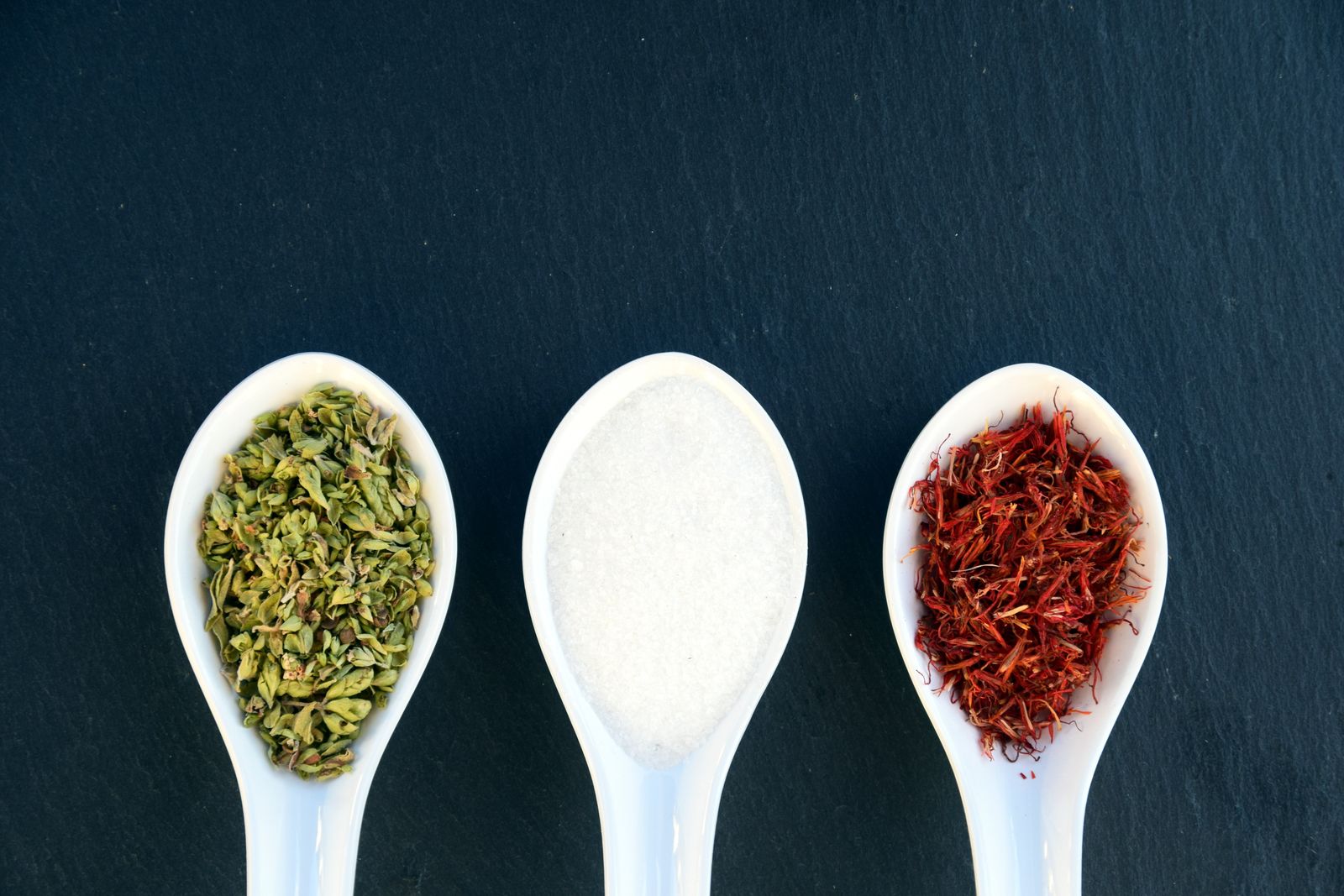
Warning — safflower is not saffron: Safflower, called “Pon” in Hunza, is a different flower with orange-red petals that look a little like saffron threads. It gives food a yellow-orange colour, but it has almost no saffron aroma and none of saffron’s flavour. It is sold cheaply as a saffron substitute, and sometimes passed off as saffron itself. Safflower petals are flat and broad; saffron threads are thin, wiry and trumpet-shaped. If the “threads” in your pack look like flat petals, you bought safflower.
Red flags that mean “do not buy”
- The price is far below Rs 750 a gram. A 1g pack at Rs 200–Rs 400 cannot be pure saffron. The kilo price alone is about Rs 640 a gram. Nobody sells below cost.
- The pack is powder, not threads. Powder hides everything — dye, filler, safflower, corn silk. Buy whole threads you can see and judge. Every seller in this guide sells threads.
- The seller cannot name the origin or the grade. “Pure saffron” with no origin, no grade and no weight is a slogan, not a product.
- The threads are uniformly bright red with no orange tips. Real saffron has variation. Uniform colour is the mark of dye.
- The seller will not let you test or return it. Farm Fresh offers a money-back guarantee. Cure by Pure offers a 7-day return policy. A seller with no return policy is asking you to take all the risk.
How to Use Saffron: Soaking, Quantity and Storage
Saffron is strong. A pinch is enough for a whole pot. The sellers in this guide agree on the method, and it is simple: soak, then stir.
How to soak saffron
Take a pinch — about 20–30 threads for a full pot of biryani or a litre of kheer, per Khan Dry Fruits — and drop it into 2–3 tablespoons of warm milk or warm water. Leave it for 15–20 minutes until the liquid turns deep golden. Then stir the liquid into the dish near the end of cooking. Farm Fresh gives the same method with slightly fewer threads: 6–8 threads in 2 tablespoons of warm milk or water for 15 minutes, and 10–15 threads soaked in warm milk for a family biryani. Dry threads sprinkled straight into food give colour in patches. Soaking spreads the colour and the aroma evenly through the whole dish.
How much per dish
- Family biryani or pulao: 10–15 threads, soaked in warm milk, per Farm Fresh.
- A litre of kheer or a pot of zarda: a pinch of 20–30 threads, per Khan Dry Fruits.
- A glass of zafrani doodh (saffron milk): 2–3 threads in warm milk, per EatSmart and Cure by Pure.
- A cup of kehwa or saffron tea: 3–5 threads, per Cure by Pure.
- Sheer khurma, rasmalai and other desserts: a small pinch, soaked first, so the colour runs through the milk.
Use less than you think you need. You can always add more threads next time. You cannot take the colour out once it is in. A dish with too much saffron tastes bitter and medicinal, not rich.
How to store saffron
Keep it in a cool, dark place in an airtight glass container, away from light and moisture. Avoid plastic containers, per Cure by Pure. Light and air fade saffron fast — Khan Dry Fruits warns that the colour and aroma fade quickly if the tiny pack is left open near the stove. Keep the pack sealed, keep it away from heat, and buy small packs you will finish while the saffron is still fresh. A 1g pack is the right size for most homes for exactly this reason.
Saffron Nutrition: Per 100g
EatSmart publishes a nutrition table for its saffron. Here it is, with one honest note: nobody eats 100g of saffron. A serving is a pinch — a few milligrams. The numbers below are per 100g because that is how nutrition labels work, but the nutrition in one dish is tiny, because the amount you use is tiny.
| Nutrient (per 100g) | Amount |
|---|---|
| Energy | 310 kcal |
| Carbohydrates | 65.4 g |
| Protein | 11.4 g |
| Fat | 5.9 g |
| Fibre | 3.9 g |
| Vitamin C | 80 mg |
| Manganese | 28.4 mg |
| Iron | 11.1 mg |
| Potassium | 1,724 mg |
| Magnesium | 264 mg |
Source: EatSmart product page for Premium Saffron. The table is the seller’s published data, not our own lab test. The honest reading is this: saffron’s value in a dish is colour, aroma and flavour, not nutrition. A pinch gives you almost no calories, almost no iron, almost no vitamin C. If you want iron or vitamin C, eat food that holds grams of it. Saffron is a spice, not a supplement.
Saffron Benefits: Traditional Use, Not Medical Fact
Saffron has been part of South Asian food and tradition for centuries — in zafrani doodh before bed, in kehwa, in kheer and zarda at Eid, in Unani and Ayurvedic practice. Sellers describe it as rich in natural antioxidants, including crocin and safranal, which are the compounds behind its colour and aroma. Those traditional uses are real and worth naming. What follows is not medical advice, and this guide makes no medical claims.
Here is what is said about saffron, and how to read each claim honestly:
- Traditional use in food and drink: a few threads in warm milk, tea or desserts, for colour, aroma and flavour. This is the use every seller in this guide describes, and it is the use with centuries of practice behind it.
- Traditional use for mood and sleep: zafrani doodh before bed is a common home practice in Pakistan, and sellers describe saffron as calming and supportive of restful sleep. Small trials of standardised saffron extract (28–30 mg a day for 4–12 weeks) have reported small improvements in self-reported low mood and anxiety, but most of those trials are small and many come from Iran. A pinch in milk is not the same as a standardised extract capsule, and this guide does not claim it is.
- Traditional use for skin: saffron soaked in rose water or milk is a common home skin practice in Pakistan. Sellers describe it as brightening. No trial proves a face pack works, and this guide does not claim it does.
- Antioxidants: saffron contains crocin, safranal and picrocrocin, which are antioxidant compounds. That is a chemical fact. It is not proof that a pinch in your biryani treats or prevents any disease. The amount you eat is milligrams, and antioxidants in milligrams do not carry a dish.
Read this before you believe a health claim: Saffron is a food spice, not a medicine. It is not intended to diagnose, treat, cure or prevent any disease. Claims about saffron and mood, sleep, memory, heart health or immunity come from small trials of standardised extracts, or from tradition — not from the pinch you put in your kheer. If you are pregnant, breastfeeding, or on medication, speak to your doctor before using saffron regularly. That advice comes from Cure by Pure’s own product page, and we repeat it here because it is the right advice.
Saffron Safety: How Much Is Too Much?
A pinch is safe. A handful is not. The line between the two is wide, and every source we checked agrees on where it sits.
- Culinary use — a pinch, 3–5 threads a day in milk, tea or food — is the normal amount. EatSmart advises 3–5 threads per serving and says to avoid exceeding 1.5g per day. Cure by Pure says most people use 3–5 threads a day. A dish uses 10–30 threads. All of these are milligrams of saffron, thousands of times below any harmful dose.
- Studied extract dose — 28–30 mg a day. The recent trials of standardised saffron extract used about 28–30 mg a day for 4–12 weeks, and the extract was well tolerated at that dose. That is a capsule, not a spice. Do not scale a kitchen pinch up to a supplement dose on your own.
- Toxic range — above 5g a day. Reviews of the safety evidence state that doses above 5g a day can be toxic, and 20g may be fatal. To reach 5g you would need about a thousand strands — roughly 25 teaspoons of pure saffron. No recipe uses anything close to that. But the number matters, because it is the reason saffron supplements and large doses are not a joke.
- Pregnancy — avoid supplements, keep food amounts small, ask your doctor. Saffron is a known uterine stimulant at high doses, and amounts around 5g or more have documented abortifacient effects. Professional drug references advise avoiding saffron above food amounts in pregnancy. A few strands in milk or kheer are generally considered safe, but this guide cannot give you medical advice — speak to your doctor before using saffron regularly during pregnancy or breastfeeding.
- Interactions — ask your doctor if you take other medicines. Safety reviews advise caution with SSRIs, anticoagulants, antihypertensives and benzodiazepines. If you take any of these, tell your doctor before you start taking saffron as a supplement. A pinch in food is a different matter from a daily extract, but the conversation with your doctor costs nothing.
Sources for this section: Healthy and Herbal’s saffron safety review (reviewed 10 October 2026), which summarises the trial doses and the 5g toxicity threshold; Mylo Family’s pregnancy safety guide, which cites Drugs.com on the 5g uterine-stimulant threshold; and the sellers’ own pages (Cure by Pure, EatSmart) for the culinary amounts. We have not tested saffron ourselves, and we do not present any of this as our own medical finding.
Full Cost Breakdown: What 1 Gram Really Costs You
The gram price is not the dish price. A gram lasts weeks, and a dish takes a pinch. Work it out before you decide saffron is too dear for your kitchen.
Worked example: one gram for a month of cooking
Say you buy the EatSmart 1g pack at Rs 999. Khan Dry Fruits says one gram lasts a household weeks, because the per-dish amount is so small. Suppose you cook with saffron twice a week — a biryani on Sunday and a kheer mid-week — and one gram covers 8 dishes. That is our own maths, built on the sellers’ pinch guidance (10–30 threads a dish) and Khan’s “lasts weeks” note, not a seller claim. At 8 dishes, the gram costs about Rs 125 per dish. At 16 dishes, it costs about Rs 62 per dish. Either way, the saffron in one family biryani costs less than one naan from a tandoor.
Now compare with the cheapest pack. The Farm Fresh 1g pack at Rs 750, used across the same 8 dishes, costs about Rs 94 per dish. The dearest pack, Cure by Pure Sargol at Rs 1,400, costs about Rs 175 per dish. The gap between the cheapest and the dearest saffron in one biryani is about Rs 80. That is the real price of the choice. If the tested Sargol gives you peace of mind, Rs 80 a dish is a small price for it. If the budget is tight, the Rs 750 pack does the same job in the same dish, as long as the threads pass the water test.
Cost per dish at each verified 1g price
| 1g pack | Price | Cost per dish* |
|---|---|---|
| Farm Fresh Irani 1g | Rs 750 | About Rs 94 |
| Hunza Foodways Kashmiri 1g | Rs 820 | About Rs 103 |
| EatSmart Premium 1g | Rs 999 | About Rs 125 |
| Khan Dry Fruits 1g | Rs 1,050 | About Rs 131 |
| Al-Fatah FF N&M 1g | Rs 1,100 | About Rs 138 |
| Bajaur Foods 1g | Rs 1,200 | About Rs 150 |
| Cure by Pure Sargol 1g | Rs 1,400 | About Rs 175 |
*Our own maths: we assumed one gram covers 8 dishes, based on the sellers’ pinch guidance (10–30 threads per dish) and Khan Dry Fruits’ note that one gram lasts a household weeks. Your own number will differ. The point is the method: divide the gram price by the dishes it covers.
Add delivery. Farm Fresh charges Rs 250 delivery on orders below Rs 5,000, and free delivery above it. EatSmart ships from Lahore and takes 5–7 working days. Khan Dry Fruits gives free delivery above Rs 5,000. Bajaur Foods gives free delivery. Cure by Pure offers cash on delivery across Pakistan. A Rs 750 pack with Rs 250 delivery costs Rs 1,000 at your door. That is the number that matters, not the pack price alone. If you are ordering one gram, add it to a larger dry-fruit order where delivery is free — Khan Dry Fruits makes exactly this point on its own guide page.

Where to Buy Saffron in Pakistan: Online vs Local Market
You have two honest routes. Each suits a different buyer.
Online: Farm Fresh, EatSmart, Cure by Pure, Hunza Foodways, Bajaur Foods, Dry Fruits Mart, Khan Dry Fruits
Online gives you exact weights, clear prices, and home delivery. Farm Fresh sells Irani saffron at Rs 750 for 1g and Rs 4,200 for 5g, with cash on delivery and a money-back guarantee. EatSmart sells a 1g pack at Rs 999, marked down from Rs 1,400, and ships from Lahore in 5–7 working days. Cure by Pure sells lab-tested Grade-1 Sargol at Rs 1,400 for 1g, Rs 2,500 for 2g and Rs 6,000 for 5g, with cash on delivery. Hunza Foodways lists Kashmiri saffron from Rs 820 a gram, but it was out of stock when we checked. Bajaur Foods sells a 1g pack at Rs 1,200 with free delivery, but takes advance payment only — no cash on delivery. Dry Fruits Mart sells by the tola and the kilo from its Faisalabad shop. Khan Dry Fruits sells a 1g pack at Rs 1,050 from its Lahore store, with free delivery above Rs 5,000.
Online has one weakness: you cannot see, smell or test the threads before you pay. Run the cold water test the day the pack arrives. If it fails, use the return policy the same day. Farm Fresh offers a money-back guarantee. Cure by Pure offers a 7-day return policy. A seller with a return policy is a seller who expects you to test.
Local market: Akbari Mandi, Urdu Bazaar, and your own bazaar
Local spice markets sell saffron by the gram from open jars and small packets. You can see the threads, smell them, and ask the shopkeeper where they came from. Prices in a bazaar are often lower than online for the same saffron, because there is no delivery fee and no platform cut. But there is usually no return policy either, and no lab report. In Lahore, Akbari Mandi is the main spice market. In Karachi, the spice lanes of Saddar and Empress Market carry saffron. In Peshawar, the dry-fruit and spice shops around the old city sell it. In Sargodha, try the spice shops in the main bazaar before ordering online.
One rule covers both routes: buy whole threads, never powder, and run the cold water test at home before you cook with a new pack. A shopkeeper who will not let you look closely at the threads is a shopkeeper to skip.
Tip: If you buy online, pay cash on delivery where it is offered. Open the parcel at once. Look at the threads, smell them, and run the cold water test the same day. A pack that fails the test goes back the same day, not after a month in your cupboard.
City-Wise Buying Notes
Prices in this guide come from online sellers who deliver nationwide, so the pack price is the same in every city. What changes by city is delivery time, delivery cost, and what you can find in a local shop.
- Karachi: widest local choice — the spice lanes of Saddar and Empress Market carry saffron in every grade, and online delivery is fastest here. Humidity is high, so store saffron airtight and away from the kitchen steam, or it fades fast.
- Lahore: strongest online and offline choice. Al-Fatah has stores across the city — Gulberg, DHA Phase 4 and 6, Johar Town, Shadman, Allama Iqbal Town, Valencia and Lake City — selling its FF N&M 1g pack at Rs 1,100. Khan Dry Fruits sells from Johar Town. Akbari Mandi is the wholesale spice market. EatSmart ships from Lahore.
- Islamabad and Rawalpindi: good online delivery coverage. Al-Fatah has a store at the Centaurus Mall in Islamabad and one in Bahria Town, Rawalpindi. Local spice shops in Saddar, Rawalpindi, stock saffron, and the drawing-room market here leans toward gift packs at Eid.
- Sargodha: BaBa Shop’s home city. Local spice shops carry basic saffron. For named grades and lab-tested packs, online ordering is usually the faster route.
- Faisalabad: Dry Fruits Mart is based here (Bilawal Town, Rajbah Road), selling by the tola and the kilo. Al-Fatah also has a store at Kohinoor Plaza on Jaranwala Road.
- Peshawar: Bajaur Foods is based here (Pak International Honey Market, since 1985), selling a 1g pack at Rs 1,200 with free delivery. The old city’s spice shops are worth a visit if you buy in person.
- Smaller towns: delivery takes a day or two longer. Order early if you need saffron before Eid or a wedding. A 1g pack is light, so it often rides free with a larger dry-fruit order.
Delivery charges differ by seller and by city. Always check the final checkout total, not the pack price alone. A Rs 750 pack with Rs 250 delivery costs Rs 1,000 at your door. That is the number that matters.
Who Should Buy — and Who Should Skip
Buy saffron if you:
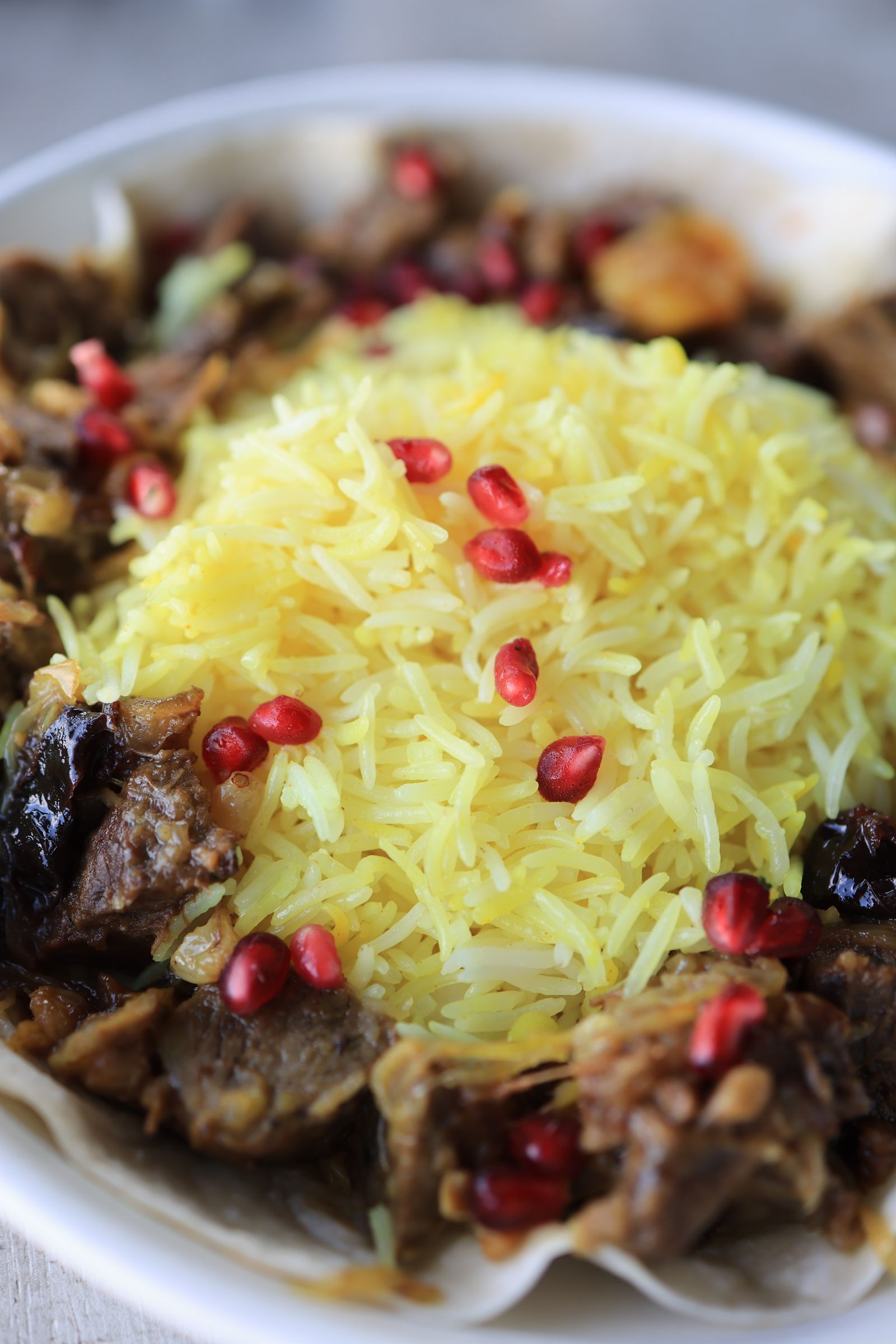
- Cook biryani, zarda, kheer, sheer khurma or pulao for family events. A pinch changes the colour and aroma of the whole pot, and nothing else does the same job.
- Drink zafrani doodh or kehwa and want the real flavour, not a yellow colour from food dye. Real saffron tastes slightly bitter and smells of honey and hay. Dye tastes of nothing.
- Are buying a gift for Eid or a wedding. A 1g pack in a small jar is a classic gift, and it costs Rs 750–Rs 1,400 — less than most gift boxes, and far more useful.
- Cook with saffron every week. Then a 5g or 10g pack makes sense, because the per-gram price falls and you will finish it while it is still fresh.
- Want to test a seller before a big order. Buy the 1g pack first. Run the water test. If it passes, order more from the same seller.
Skip it, or buy later, if you:
- Only need yellow colour in rice. Turmeric costs a few rupees and gives colour, though not saffron’s aroma or flavour. Do not pay saffron prices for colour alone.
- Are pregnant or breastfeeding and thinking of saffron supplements. A pinch in food is one thing; a supplement is another. Speak to your doctor first. See the safety section above.
- Take SSRIs, anticoagulants, blood pressure medicine or benzodiazepines and are thinking of taking saffron as a supplement. Speak to your doctor first. A pinch in biryani is not a supplement, but a daily extract is.
- Found a 1g pack for Rs 200–Rs 400. That is not a bargain. It is almost certainly dyed safflower, corn silk, or coloured threads. Walk away.
- Only cook with saffron once a year. Buy the smallest pack, use it, and buy again next year. A big pack kept for a year fades in light and air and wastes your money.
Honest limit: Saffron is a spice, not a medicine and not a health product. A pinch makes food taste and smell better. It does not treat low mood, poor sleep, or any illness. If a seller promises medical results from a spice pack, that seller is selling a story, not saffron.
7 Common Mistakes to Avoid
1. Buying powder instead of threads. Powder hides dye, filler and safflower. Buy whole threads you can see, smell and test.
2. Comparing pack prices without dividing by grams. A Rs 2,500 pack is cheaper per gram than a Rs 1,400 pack if it holds 2g. Always divide the price by the grams.
3. Trusting a price far below Rs 750 a gram. The kilo price alone is about Rs 640 a gram. A 1g pack at Rs 200–Rs 400 cannot be pure saffron.
4. Skipping the cold water test. It takes 15 minutes and costs nothing. Real saffron turns cold water golden-yellow slowly and the threads stay red. Fake saffron colours the water dark red in seconds.
5. Sprinkling dry threads straight into food. Dry threads give colour in patches. Soak a pinch in warm milk or water for 15–20 minutes first, then stir the liquid in.
6. Using too much. A pinch is 10–30 threads. More than that makes food taste bitter and medicinal. You cannot take the colour out once it is in.
7. Storing saffron near the stove or in light. Light and air fade it fast. Keep it airtight, cool and dark, in a glass jar, away from heat. Buy small packs you will finish while the saffron is still fresh.
Related Guides from BaBaShop.pk
Saffron is one ingredient in a Pakistani kitchen. These guides cover the rest of the pantry and the home:
- Chia, Flax and Sunflower Seeds Compared — the three seeds BaBaShop.pk sells, side by side, so you can pick the right one for your kitchen.
- Chia Seeds Benefits in Urdu — what chia seeds do, how to use them, and what they cost in Pakistan.
- Sunflower Seeds Benefits in Urdu — the everyday seed for snacking and cooking.
- Pink Salt in Pakistan 2026 — verified prices and buying advice for Himalayan pink salt, the other premium pantry item in Pakistani kitchens.
- Kitchen Gadgets in Pakistan 2026 — a 12.12 buying guide for the tools that make cooking easier.
- Washing Machine Cover Price in Pakistan 2026 — verified Rs 795–Rs 1,450 waterproof covers for automatic machines.
- BaBaShop.pk — home — seeds, home essentials, and covers, delivered across Pakistan.
BaBaShop.pk does not sell saffron. Our Seeds & Nutrition range is chia seeds from Rs 799, golden flax seeds from Rs 499, and sunflower seeds from Rs 549. Delivery is Rs 200 flat across Pakistan, cash on delivery is available, and Raast online payment gets Rs 50 off.
Where to Go Next
If you came here for saffron prices, these are the natural next steps:
- Comparing seeds: read our chia, flax and sunflower seeds comparison — the three everyday seeds that sit next to saffron in a Pakistani pantry.
- Shopping seeds: browse all seeds and nutrition on BaBaShop.pk — chia, flax and sunflower, delivered across Pakistan.
- Stocking the pantry: read our pink salt guide — the other premium pantry item, with verified prices.
- Protecting the home: our AC cover and ceiling fan cover use the same dust-and-water logic as a good spice jar — keep the good stuff safe.
FAQs: Saffron Price in Pakistan
What is the price of saffron in Pakistan?
Verified prices on 21 November 2026: a 1-gram pack costs Rs 750 to Rs 1,400. Farm Fresh sells Irani saffron at Rs 750 for 1g, Hunza Foodways lists Kashmiri saffron at Rs 820 for 1g (out of stock when checked), EatSmart at Rs 999, Khan Dry Fruits at Rs 1,050, Al-Fatah at Rs 1,100, Bajaur Foods at Rs 1,200, and Cure by Pure lab-tested Sargol at Rs 1,400. Bigger packs cost less per gram.
What is the saffron 1kg price in Pakistan?
Verified prices on 21 November 2026: Rs 640,000 to Rs 660,000 for 1kg. Dry Fruits Mart lists 1kg from Rs 640,000, and Hunza Foodways lists Kashmiri saffron at Rs 660,000 for 1kg. That works out at about Rs 640 to Rs 660 per gram. Almost nobody buys a kilo for home cooking — a kilo is a trader’s or a restaurant’s quantity.
What is the saffron per kg price in Pakistan?
It depends on the pack size. Bought by the kilo, saffron costs about Rs 640,000 to Rs 660,000 per kg. Bought one gram at a time at Rs 1,400 a gram, the same saffron works out at Rs 1,400,000 per kg. The honest retail band for packs of 1g to 5g is Rs 750 to Rs 1,250 per gram. Always divide the pack price by the grams before you compare.
How can I tell if saffron is real or fake?
Use the cold water test: drop 2–3 threads into cold water. Real saffron releases a golden-yellow colour slowly over 10–15 minutes and the threads stay red. Fake saffron turns the water dark red or orange within seconds and the threads fade to white or dissolve. Also check the look (deep red, trumpet-shaped, orange tips), the smell (honey and hay, not cardboard), and the taste (slightly bitter, not sweet). Buy whole threads, never powder.
Which saffron is best in Pakistan — Iranian or Kashmiri?
Both can be excellent, and the grade matters more than the origin name. Kashmiri saffron is usually quoted with the highest crocin (colour strength, above 8%), and it costs more — Rs 820 a gram at Hunza Foodways. Iranian saffron is the most common in Pakistan, costs Rs 750 to Rs 1,400 a gram, and a good Grade-1 Sargol from Iran will beat a stale, unnamed Kashmiri pack in a real dish. Ask the seller for the origin, the grade and the net weight before you buy.
How much saffron should I use per day?
For cooking, 3–5 threads a day in milk, tea or food is the normal amount, per Cure by Pure and EatSmart. A family biryani takes 10–15 threads, and a litre of kheer takes a pinch of 20–30 threads. EatSmart advises against exceeding 1.5g per day. The studied dose for standardised saffron extract is 28–30 mg a day — that is a capsule, not a spice, and this guide does not recommend taking it without a doctor’s advice. Doses above 5g a day are reported toxic.
Is saffron safe during pregnancy?
A few strands in milk, kheer or biryani are generally considered safe, but saffron supplements and large doses are not. Saffron is a known uterine stimulant at high doses, and amounts around 5g or more have documented abortifacient effects. Professional drug references advise avoiding saffron above food amounts in pregnancy. Speak to your doctor before using saffron regularly during pregnancy or breastfeeding.
Where can I buy original saffron in Pakistan?
Online from Farm Fresh, EatSmart, Cure by Pure, Hunza Foodways, Bajaur Foods, Dry Fruits Mart and Khan Dry Fruits — all with prices verified in this guide on 21 November 2026 — or from spice shops in Akbari Mandi in Lahore, Saddar in Karachi, and your local bazaar. Buy whole threads, check the net weight in grams, and run the cold water test when the pack arrives. BaBaShop.pk does not sell saffron; its seeds range is chia, flax and sunflower.
Conclusion
Saffron price in Pakistan is simple once you cut through the listings. A 1-gram pack costs Rs 750 to Rs 1,400. A 5-gram pack costs Rs 4,200 to Rs 6,000. A full kilo costs Rs 640,000 to Rs 660,000. That is the whole market in three numbers, and the per-gram price is the only number that lets you compare them fairly.
For most homes, the right buy is one good 1-gram pack in the Rs 750–Rs 1,050 range, from a seller that names the origin and the grade, tested with cold water the day it arrives. A gram lasts weeks, and the saffron in one family biryani costs about Rs 94–Rs 125. Do not buy a pack before you know its net weight in grams, and do not buy powder. Threads you can see, smell and test are the only saffron worth paying for.
Soak a pinch. Stir the golden liquid in near the end of cooking. Store the pack airtight, cool and dark. Three small steps, and your biryani, kheer and zafrani doodh will taste like they should — for about a hundred rupees a dish. That is what saffron is for: not a fancy purchase, just a pinch of the real thing, used well.
Stock your pantry with BaBaShop.pk seeds
BaBaShop.pk does not sell saffron — but our Seeds & Nutrition range has what your kitchen uses every day: chia seeds from Rs 799, golden flax seeds from Rs 499, sunflower seeds from Rs 549. Delivery Rs 200 flat, COD available.
WhatsApp: 0302-4096495 | Shop seeds at BaBaShop.pk
Methodology and Transparency
Updated: 21 November 2026. All prices in this guide were checked live on 21 November 2026 by opening the seller’s own product page and reading the listed price (or its indexed product data).
Sources: Farm Fresh Pure Irani Zafran product page, JSON-LD price range Rs 750–Rs 4,200, options 1g and 5g; Hunza Foodways Kashmiri Original Saffron product page, page text Rs 820/1g, Rs 2,290/3g, Rs 6,990/10g, Rs 660,000/1kg, JSON-LD price range Rs 820–Rs 2,290, availability OutOfStock; EatSmart Premium Saffron product page, Rs 999 (struck Rs 1,400), 1g, with per-100g nutrition table; Khan Dry Fruits blog guide, zafran 1g Rs 1,050 checked on live store 27 October 2026, guide updated 20 November 2026; Al-Fatah FF N&M Saffron Premium 1 GM product page, Rs 1,100 (Open Graph price metadata); Bajaur Foods Premium Saffron product page, Rs 1,200–Rs 4,700, options 1g/3g/5g, JSON-LD base price Rs 1,200; Cure by Pure Original Iranian Saffron product page, 1g Rs 1,400, 2g Rs 2,500, 5g Rs 6,000, prices marked updated July 2026; Dry Fruits Mart Zafran product page, 1 tola from Rs 8,400, 1kg from Rs 640,000, price range Rs 150–Rs 640,000, options 1g to 1kg; grades and crocin figures from Dry Fruits Mart’s grade table and the Saffronica classification guide, Rowhani Saffron’s type guide and Pure Saffron’s grading guide (ISO 3632 Categories I/II/III); fake-spotting tests from Cure by Pure, Dry Fruits Mart, FreshFarm and Khan Dry Fruits product and guide pages; safety and dosage figures from Healthy and Herbal’s saffron safety review (reviewed 10 October 2026) and Mylo Family’s pregnancy safety guide (citing Drugs.com). BaBaShop.pk own prices (chia Rs 799/1,299/2,199; flax Rs 499/749/1,199; sunflower Rs 549/849/1,399; delivery Rs 200) were re-checked live on babashop.pk product pages on 21 November 2026.
Volume note: this keyword family — “saffron price in pakistan” (2,400/mo, KD 9), “saffron 1kg price in pakistan” (110/mo, KD 4), “saffron per kg price in pakistan” (90/mo, KD 6), “saffron price in pakistan per kg” (90/mo, KD 9) — was verified in the 17 November 2026 Semrush PK run.
What we could not verify: a PKR price from a Daraz.pk product page for a named saffron pack (no Daraz product page with a clear PKR price could be opened on 21 November 2026); Saughaat saffron prices (two secondary articles quote different prices — Rs 800/1g and Rs 1,400/2g in one, Rs 1,000/1g and Rs 1,800/2g in another — and no Saughaat product page could be opened to settle it); Dry Fruits Mart’s individual 1g and 5g pack prices (the live page lists a price range and “from” figures for 1 tola and 1kg only; older secondary figures of Rs 850/1g and Rs 4,300/5g are dated March 2025 and were not used); Bajaur Foods’ individual 3g and 5g pack prices (only the Rs 1,200–Rs 4,700 range and the 1g base price are shown); the Hunza Foodways 3g price (one line of the page says Rs 2,099, two others and the product data say Rs 2,290 — we used Rs 2,290 and flag the conflict here); local bazaar prices (they vary by shop and day); a verified aggregated buyer-review dataset for these saffron packs (EatSmart shows on-page testimonials, which are seller-published and not independently verifiable, so none are claimed as an aggregate). We left all of these out of the price table rather than guessing. Per-gram, per-dish and per-kilo figures are our own maths, clearly labelled, not seller claims.
12.12 note: this guide is evergreen — prices are stated as verified on 21 November 2026, and sale events like 12.12 may lower them further. Check the seller’s page on the day you buy. No seasonal claim is made about saffron itself.
No invented claims: this guide contains no invented expert quotes, no invented studies and no “organic” claims. Health and safety figures are presented as the named sources’ findings and as traditional use, not as our own medical advice. The grade and ISO 3632 figures come from the published guides named above. No expert reviewed this article before publication. No author photo is on file. We have not home-tested these saffron packs. No aggregated buyer reviews are claimed, because none could be verified. Our advice comes from the listed specs and the sellers’ own test guidance, not from a lab test of our own.
Seller disclosure: BaBaShop.pk does not sell saffron and earns nothing from the sellers listed here. Links to other sellers are for price comparison only. Prices change. Check the seller’s page before you pay.
Author: BaBaShop.pk Team. Shop: BaBa Shop, Sargodha, Pakistan. WhatsApp: 0302-4096495. Delivery: Rs 200 flat across Pakistan. COD available. Raast online payment: Rs 50 off.