June in Sargodha hits 45 degrees, the fan is doing nothing, and your nani hands you a tall glass of doodh with something jelly-like floating in it. “Gond katira hai, beta, thanda karega.” That glass is the reason you are here. So what is the real gond katira price in Pakistan today, and how do you buy the real thing instead of coloured sugar crystals?
This guide gives you checked prices, not guesses. We checked live seller pages on 27 and 28 November 2026 and recorded 19 verified price rows for gond katira, also called tragacanth gum, from seven Pakistani online sellers — with a price-per-100g column so a 50-gram trial pack and a 1-kg family pack can be compared fairly.
One honest note first: BaBaShop does not sell gond katira. This is a price and buying guide, not a product page. Where we could not verify a price or a claim, we say so plainly instead of guessing.
Quick answer: gond katira price in Pakistan 2026
- Rs 109 buys a 50g pack of gond katira at Subhan Bazar — the lowest price we verified.
- Rs 197 per 100g is the lowest per-100g rate — Subhan Bazar 500g pack at Rs 986.
- Rs 630 buys a 250g pack at Khan Dry Fruits — the cheapest 250g pack we verified.
- Rs 2,268 buys a 1kg pack at Khan Dry Fruits — Rs 227 per 100g.
- Rs 1,379 is the dearest 250g pack we verified — Multiversal, at Rs 552 per 100g.
- Rs 118 to Rs 331 a month is what one daily glass costs, depending on the per-100g rate you pay.
What this guide covers
- What is gond katira? Tragacanth gum explained
- Gond katira price in Pakistan: the verified price table
- Gond katira price: 100g, 250g, 500g and 1kg at a glance
- Why do gond katira prices differ so much?
- Best gond katira in Pakistan: our honest picks
- Gond katira vs gond vs acacia gum: the confusion cleared
- How to use gond katira: soaking, sharbat, doodh and falooda
- Gond katira benefits: what is proven and what is not
- Side effects and safety: who should be careful
- Real vs fake gond katira: the quality check
- How to choose: the 10-point check
- Who should buy it — and who should avoid it
- City-wise prices: Lahore, Karachi, Islamabad, Sargodha
- Cost breakdown: what a month of gond katira really costs
- Storage and shelf life
- 12.12 buying checklist
- Methodology: how we checked these prices
- FAQs
- Conclusion
What is gond katira? Tragacanth gum explained
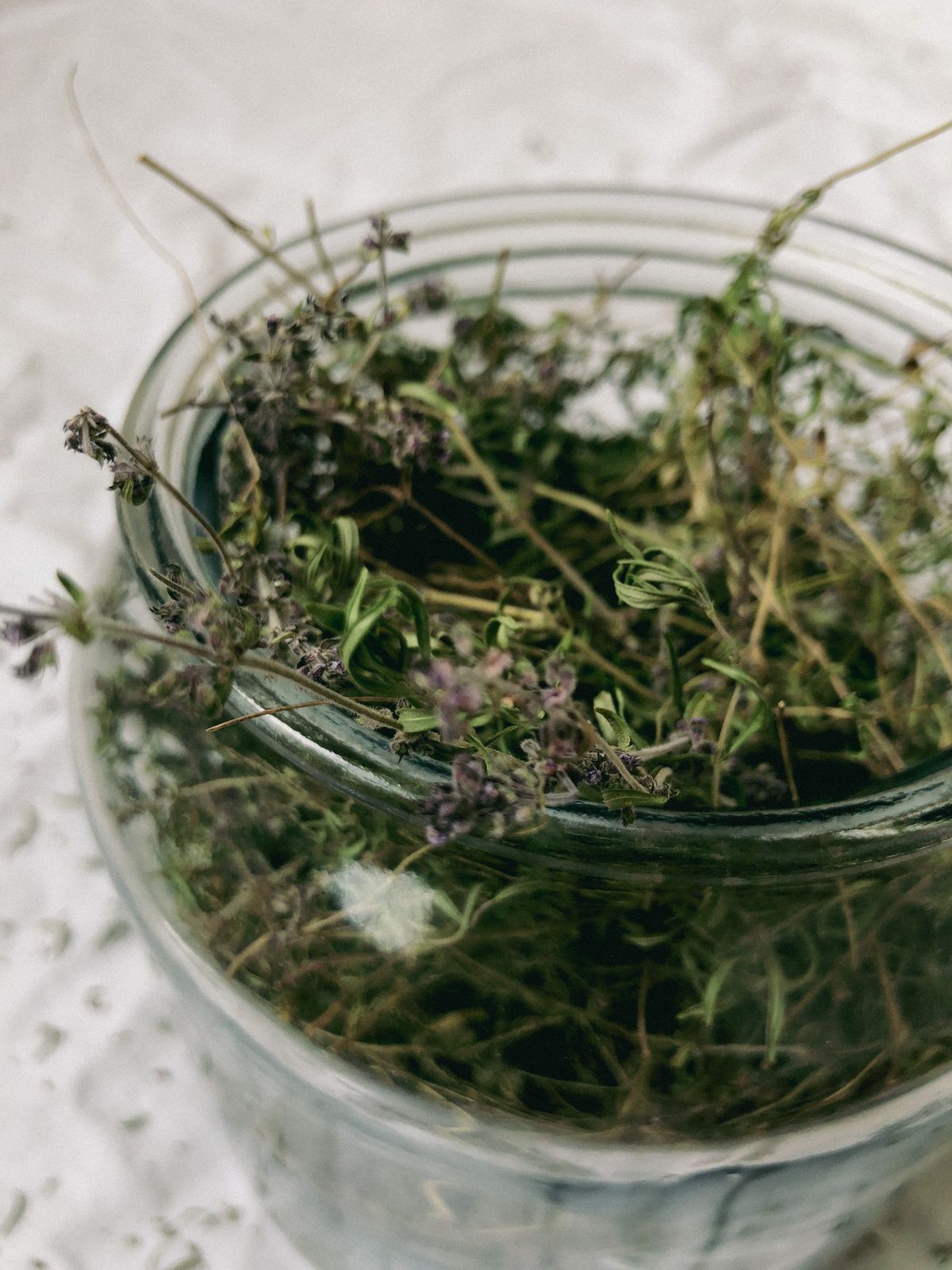
Gond katira is the dried sap of the Astragalus plant, a thorny shrub that grows in the dry, mountainous regions of Iran, Turkey and the Middle East. When the stem or root of the shrub is cut, a gum oozes out and hardens into pale, glassy flakes. That dried gum is what you buy as gond katira. In English it is called tragacanth gum, and in Unani medicine it has been used for centuries as a cooling ingredient.
Dry, gond katira looks like small, translucent crystals — a little like broken glass, a little like rock sugar. Put those flakes in water and something surprising happens. They drink the water and swell to many times their size, turning into a soft, clear, jelly-like gel. That swelling is the whole point of the ingredient. It is why a single teaspoon of dry flakes can fill a whole glass of sharbat, and it is also why gond katira must never be eaten dry.
In Pakistan, gond katira is a summer ingredient first and a medicine second. The classic use is a cooling drink: soaked overnight, stirred into cold milk, lemonade, shikanjvi or sharbat, and drunk through the hot months. It also goes into falooda, where the swollen gel sits alongside the noodles and basil seeds, and into panjiri and laddoo in winter, where it is fried in ghee first and used as a strength food. New mothers are traditionally given gond katira in warm milk as part of postpartum recovery diets, and hakims have long prescribed it in milk for weakness and recovery.
The gum is almost tasteless and odourless. It adds texture, not flavour. That is worth knowing before you buy it, because anyone selling you “flavoured” gond katira is selling you something else, or something with added flavouring. Real gond katira has no smell and no taste of its own — it takes on the taste of the milk or sharbat you put it in.
What is in gond katira?
Gond katira is a natural gum made mostly of complex plant sugars. Drugs.com describes gum tragacanth as a proteinaceous polysaccharide, with a protein content of about 3 to 4 percent. It is mostly soluble fibre and mucilage — the slimy, gel-forming part that swells in water. It is very low in calories: a teaspoon of dry flakes has almost no calories at all, because the bulk of the finished drink is water. It has no caffeine, no fat and no cholesterol. Some seller pages describe it as rich in calcium, magnesium and other minerals, but we could not find a published, per-100g nutrition table from a reliable source to confirm exact mineral figures, so we do not repeat any mineral numbers here. A guide that prints exact calcium and iron values for gond katira without naming its source is guessing, and we would rather leave the gap open than fill it with a made-up table.
One more fact matters for buyers. Tragacanth gum has GRAS status as a food additive — “generally recognized as safe” — according to Drugs.com, which medically reviewed its tragacanth page in October 2026. That means food regulators accept it as a safe food ingredient in normal amounts. It is used around the world as a thickener and stabiliser in salad dressings, ice cream and sweets. But “safe as a food additive” is not the same as “proven medicine”, and the next sections keep those two things separate.
Gond katira price in Pakistan: the verified price table
Every price below was taken from a live seller page checked on 27 and 28 November 2026. The per-100g column is our own arithmetic, rounded to the nearest rupee. Read that column first: it is the only fair way to compare a 50g trial pack with a 1kg family pack. All seven sellers deliver across Pakistan, and all of them offer cash on delivery except where noted.
| Seller / Pack | Price (Rs) | Pack size | Price per 100g | Where verified |
|---|---|---|---|---|
| Subhan Bazar — Purest Gond (Gond Katira) | Rs 109 | 50g | Rs 218 | subhanallahbazar.com |
| Subhan Bazar — Purest Gond (Gond Katira) | Rs 208 | 100g | Rs 208 | subhanallahbazar.com |
| Subhan Bazar — Purest Gond (Gond Katira) | Rs 395 | 200g | Rs 198 | subhanallahbazar.com |
| Subhan Bazar — Purest Gond (Gond Katira) | Rs 986 | 500g | Rs 197 | subhanallahbazar.com |
| Zakir Pansar — Gond Katira, whole | Rs 154 | 50g | Rs 308 | zakirpansar.com |
| Zakir Pansar — Gond Katira, whole | Rs 308 | 100g | Rs 308 | zakirpansar.com |
| Zakir Pansar — Gond Katira, whole | Rs 739 | 250g | Rs 296 | zakirpansar.com |
| Zakir Pansar — Gond Katira, whole | Rs 1,478 | 500g | Rs 296 | zakirpansar.com |
| Khan Dry Fruits — Tragacanth Gum Herb | Rs 630 | 250g | Rs 252 | khandryfruits.com |
| Khan Dry Fruits — Tragacanth Gum Herb | Rs 1,197 | 500g | Rs 239 | khandryfruits.com |
| Khan Dry Fruits — Tragacanth Gum Herb | Rs 2,268 | 1kg | Rs 227 | khandryfruits.com |
| NatureZone — Tragacanth Gum (Gond Katira) | Rs 450 | 100g | Rs 450 | naturezone.pk |
| NatureZone — Tragacanth Gum (Gond Katira) | Rs 800 | 250g | Rs 320 | naturezone.pk |
| NatureZone — Tragacanth Gum (Gond Katira) | Rs 1,400 | 500g | Rs 280 | naturezone.pk |
| Ibex Dry Fruits — Gond Katira | Rs 700 | 250g | Rs 280 | ibexdryfruits.com |
| Ibex Dry Fruits — Gond Katira | Rs 1,400 | 500g | Rs 280 | ibexdryfruits.com |
| Ibex Dry Fruits — Gond Katira | Rs 2,800 | 1kg | Rs 280 | ibexdryfruits.com |
| Multiversal Pure — Premium Gond Katira | Rs 1,379 | 250g | Rs 552 | multiversal.pk |
| Vital Hill — Tragacanth Gum, whole | Rs 473 | 100g | Rs 473 | vitalhills.com |
Sources: Subhan Bazar product pages (Purest Gond, 50g–500g); Zakir Pansar Gond Katira listing (whole form, 50g–500g); Khan Dry Fruits tragacanth gum guide (250g–1kg, prices stated as October 2026); NatureZone tragacanth gum product page (100g–500g); Ibex Dry Fruits gond katira page (250g–1kg); Multiversal gond katira product page (250g, listed at Rs 1,379 against a crossed-out Rs 1,549); Vital Hill tragacanth gum product page (100g whole, Rs 473). All checked 27–28 November 2026. Prices can change; confirm on the seller’s page before you pay.
The honest range for gond katira is Rs 197 to Rs 552 per 100g — a gap of nearly three times between the cheapest and the dearest verified rate. The cheapest pack money is Rs 109 for 50g at Subhan Bazar. The dearest 250g pack is Rs 1,379 at Multiversal, more than double the Rs 630 that Khan Dry Fruits charges for the same weight. That gap is the whole story of this market: the same gum, sold at very different prices, and the price alone does not tell you which one is better. The section after next explains why.
Two rows to read carefully: first, NatureZone’s own page disagrees with itself. Its introduction says 700 PKR for 100g, 1,000 PKR for 250g and 1,800 PKR for 500g, while its price list and its FAQ answer say 450 PKR for 100g, 800 PKR for 250g and 1,400 PKR for 500g. We used the lower set, because it matches the page’s own product data (450 to 1,400 PKR) — but a seller whose page shows two different prices for the same pack is a seller to confirm with before paying. Second, Multiversal’s 250g pack is listed at Rs 1,379 with a crossed-out Rs 1,549, a “save Rs 170” discount. Even after the discount, it is still the dearest 250g pack in our table by Rs 679. A discount from an inflated price is not a bargain.
Gond katira price: 100g, 250g, 500g and 1kg at a glance
The gond katira price depends on the pack you buy, and the same weight can cost very different amounts at different sellers. This summary table pulls the cheapest and dearest verified price for each pack size, so you can see the spread in one place.
| Pack size | Cheapest verified | Dearest verified | Per-100g range |
|---|---|---|---|
| 50g | Rs 109 — Subhan Bazar | Rs 154 — Zakir Pansar | Rs 218 – Rs 308 |
| 100g | Rs 208 — Subhan Bazar | Rs 473 — Vital Hill | Rs 208 – Rs 473 |
| 200g | Rs 395 — Subhan Bazar | Rs 395 — only one seller | Rs 198 |
| 250g | Rs 630 — Khan Dry Fruits | Rs 1,379 — Multiversal | Rs 252 – Rs 552 |
| 500g | Rs 986 — Subhan Bazar | Rs 1,478 — Zakir Pansar | Rs 197 – Rs 296 |
| 1kg | Rs 2,268 — Khan Dry Fruits | Rs 2,800 — Ibex Dry Fruits | Rs 227 – Rs 280 |
Three patterns stand out. First, the 250g pack has the wildest spread: Rs 630 to Rs 1,379, a gap of Rs 749 for the same weight. If you buy 250g, this is the pack where comparing sellers saves the most money. Second, the 1kg pack has the narrowest spread: Rs 2,268 to Rs 2,800, a gap of Rs 532 on a much bigger purchase. Third, the per-100g rate falls as the pack gets bigger at almost every seller. At Subhan Bazar, 50g costs Rs 218 per 100g and 500g costs Rs 197 per 100g. At Khan Dry Fruits, 250g costs Rs 252 per 100g and 1kg costs Rs 227 per 100g. Bigger really is cheaper per gram here — unlike some grocery items where the big pack is a trap.
For a first-time buyer, the sensible starting point is a 100g pack. At Rs 208 to Rs 473, it costs less than a single restaurant meal, and 100g lasts about seven weeks at one glass a day. A 100g pack is also small enough that a bad buy — a dull, gritty or yellow lot — costs you very little. Only move to 500g or 1kg once you have tried the seller’s gum and watched it swell properly.
Why do gond katira prices differ so much?
A three-times price gap for the same gum looks like a mistake. It is not. Gond katira is a natural product with real grades, and the grade, the form and the seller all move the price. Here is what actually drives the difference.
Grade: ribbon, flake and powder
Gond katira is sold in grades. The top grade is large, pale, ribbon-like flakes —clean, translucent, almost glassy. The middle grade is smaller flakes and broken pieces. The lowest grade is small, yellow-brown bits and powder, often mixed with bark or dust. Sellers rarely print the grade on the listing, but the price is usually the tell: a 250g pack at Rs 630 and a 250g pack at Rs 1,379 are very unlikely to be the same grade. Vital Hill’s own product page says it plainly: clean, translucent pale flakes that swell into a clear, odourless gel are the genuine article, while yellow-brown, gritty lots are poor grades.
Form: whole, ground or powder
Whole flakes cost less per gram to produce than powder, because powder needs grinding, sieving and extra packing. But powder swells faster and is easier to use in face packs and desserts. Some sellers charge more for powder for that reason. Vital Hill sells all three forms — whole, ground and powder — across 50g to 1kg packs, with prices from Rs 270 to Rs 2,970 across its variants. When you compare two sellers, check the form as well as the weight: a powder pack and a whole-flake pack at the same weight are not the same product.
Origin and import
Pakistan grows almost no Astragalus gum of its own. Most gond katira is imported, mainly from Iran, and the import cost moves with the rupee and with the season. Summer is peak demand, so prices firm up from April to August and soften in winter, when fewer people buy it. A price checked in November, like ours, is a winter price — it may be lower than the same seller’s June price. That is one more reason to note the date on every price you compare.
Packing, branding and delivery
A sealed, food-grade pack from a branded online store costs more than a loose scoop from a pansari’s sack, and that is fair: you are paying for cleaning, sorting, sealed packing and a return policy. Khan Dry Fruits offers sealed packing with a 7-day return policy and cash on delivery in more than 47 cities. Multiversal offers cash on delivery across Pakistan and free delivery over Rs 3,000. A loose pansari price will usually be lower — Subhan Bazar’s own guide puts regular gond katira at Rs 800 to Rs 1,200 per kg in local markets, and premium at Rs 1,500 to Rs 2,500 per kg — but a loose purchase has no return policy and no seal to check. The cheapest price is not the cheapest buy if the gum is dusty, yellow or mixed with bark.
The two-minute rule: before you pay, divide the price by the weight in 100g units. For gond katira, anything under Rs 250 per 100g is fair value right now. Between Rs 250 and Rs 300 per 100g is normal for a branded, sealed pack. Above Rs 450 per 100g, ask what you are paying for — a premium grade, a powder form, or just a premium brand name. And always check whether delivery is included: a Rs 630 pack with Rs 250 delivery costs more landed than a Rs 700 pack with free delivery.
Best gond katira in Pakistan: our honest picks
There is no single “best” gond katira — the best choice depends on whether you are trying it for the first time, drinking it daily, or buying for a whole family through the summer. Here is our honest shortlist, based only on verified prices. We have not lab-tested any of these gums, and no expert reviewed this draft.
| If you want… | Pick | Why | Price |
|---|---|---|---|
| The lowest cost per 100g | Subhan Bazar 500g | Rs 197 per 100g — lowest rate in our tables. | Rs 986 |
| A first trial pack | Subhan Bazar 50g | Rs 109 — the cheapest way to try it. | Rs 109 |
| A 250g pack at a fair price | Khan Dry Fruits 250g | Rs 630, Rs 252 per 100g, sealed pack, 7-day return. | Rs 630 |
| A 1kg family pack | Khan Dry Fruits 1kg | Rs 2,268, Rs 227 per 100g — cheapest kilo verified. | Rs 2,268 |
| A flat per-100g rate at any size | Ibex Dry Fruits | Rs 280 per 100g at 250g, 500g and 1kg alike. | Rs 700 – Rs 2,800 |
| A premium branded pack | Multiversal 250g | Rs 1,379 — dearest 250g; buy only if you want this brand. | Rs 1,379 |
What about buyer reviews? We found no verified, aggregated buyer-review set for any gond katira seller in Pakistan — no star ratings tied to a specific pack, no review count we could check. New Pansari’s product page shows zero reviews. Multiversal’s page says 17 sold in the last 18 hours, but that is a sales counter, not a review. That is normal for a pansari item: people buy it, soak it and rarely write about it. When you shortlist a seller, read the reviews on the seller’s own page before paying — that is the one check we cannot do for you, and we will not invent review scores to fill the gap.
Gond katira vs gond vs acacia gum: the confusion cleared
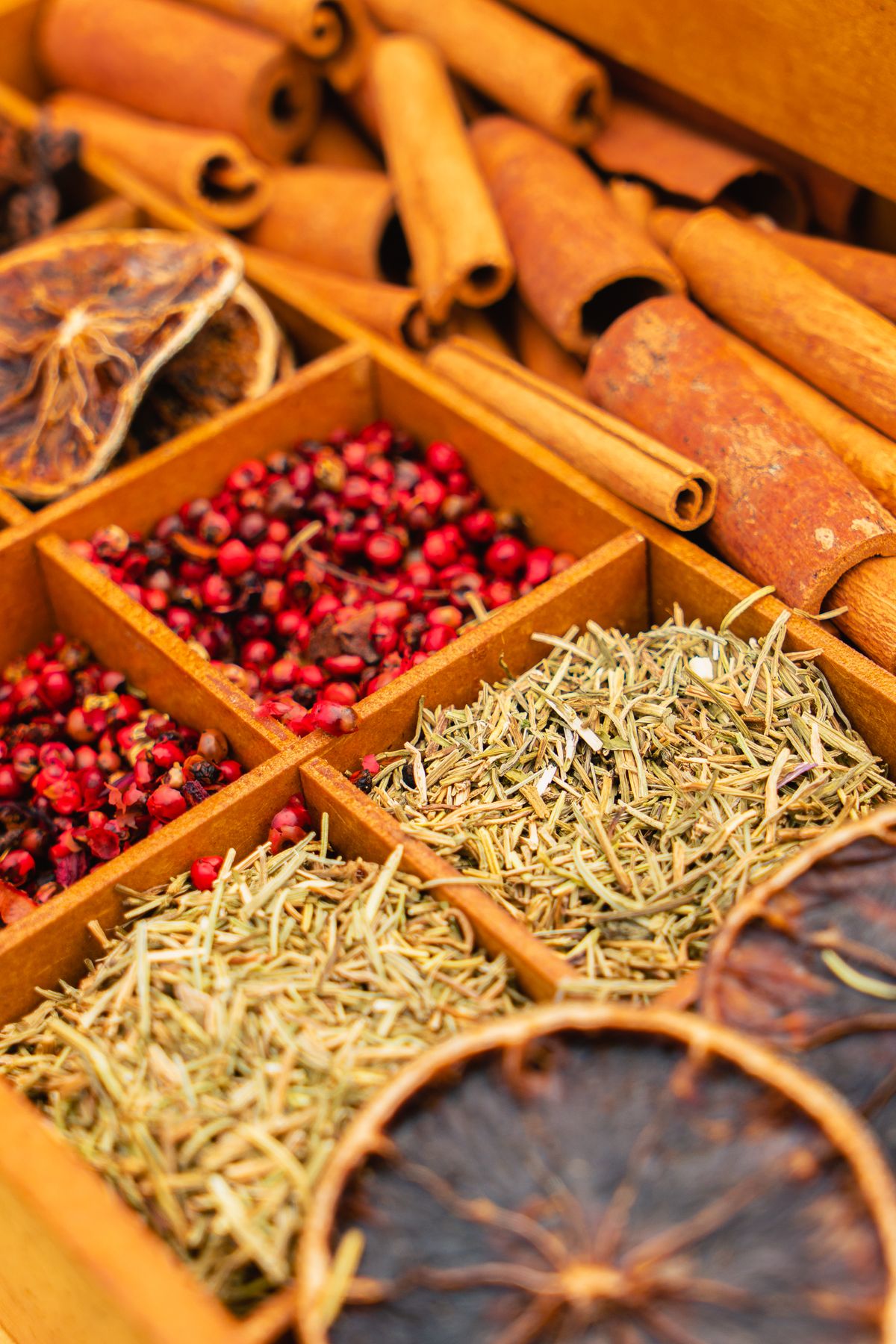
Walk into a pansari shop and ask for “gond”, and you may be handed any one of four different gums. They share a name, they look alike in the jar, and they do very different things in your kitchen. This is the confusion that costs buyers the most money, so here it is, cleared up properly.
| Gond katira (tragacanth) | Gond (edible gum, babool) | Gond kiker (acacia gum) | |
|---|---|---|---|
| Also called | Tragacanth gum, katira gum | Gond, edible gum, gond babool | Acacia gum, gum arabic family |
| Comes from | Astragalus shrubs | Babool (acacia) tree sap | Acacia (kiker) tree sap |
| Looks like | Pale, glassy, translucent flakes | Amber to brown hard lumps | Pale to amber tears and pieces |
| In water | Swells into a clear jelly gel | Dissolves slowly, does not jelly | Dissolves into a sticky solution |
| Main use | Summer cooling drinks, falooda | Panjiri, laddoo, winter strength food | Sweets, traditional remedies |
| Season | Summer — cooling by nature | Winter — warming by nature | All year, in small amounts |
| Price per 100g | Rs 197 – Rs 552 (verified) | Rs 200 – Rs 350 per 100g (Subhan Bazar guide) | Rs 213 – Rs 851 for 250g–1kg (Herboria range) |
| Watch out for | Yellow, gritty lots are poor grade | Not a substitute in summer drinks | Often confused with gond katira |
The key difference is simple. Gond katira is a cooling gum for summer drinks. Ordinary gond — the edible gum used in panjiri and laddoo — is a warming food for winter, fried in ghee and eaten for strength. They are not interchangeable. If you soak ordinary gond overnight and stir it into sharbat, you will not get the clear jelly that makes a gond katira drink. And if you fry gond katira in ghee for panjiri, you will not get the puffed, crunchy texture that ordinary gond gives.
Gond katira vs gond: the one-line test
Ask the shopkeeper one question: “Yeh pani mein phool kar jelly banta hai?” If the answer is yes, it is gond katira. If the answer is no, or if he says it is for frying in ghee, it is ordinary gond. A second test works at home: soak a teaspoon overnight in a full glass of water. Real gond katira swells into a soft, clear gel that fills much of the glass. Ordinary gond stays hard or dissolves into a sticky liquid. If your “gond katira” does not swell, you were sold the wrong gum.
Gond katira vs acacia gum (gond kiker)
Gond kiker, the gum of the kiker (acacia) tree, is the closest lookalike. Herboria sells gond kiker in 250g, 500g and 1kg packs, with prices from Rs 213 to Rs 851 across the range. It dissolves in water rather than swelling into a jelly, and it is used in sweets and traditional remedies rather than in summer drinks. Some sellers list acacia gum and tragacanth gum under the same “gond” heading, so check the botanical name on the listing: gond katira should say Astragalus, while gond kiker is an acacia. If the listing names no plant at all, ask before you pay.
Gond katira vs basil seeds (tukh malanga) and chia seeds
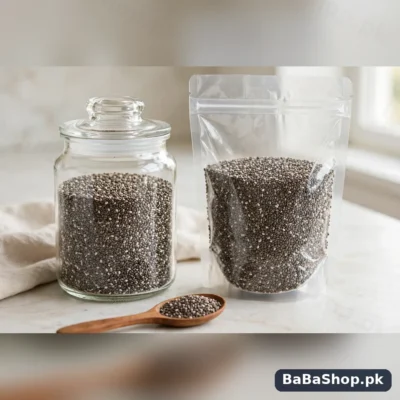
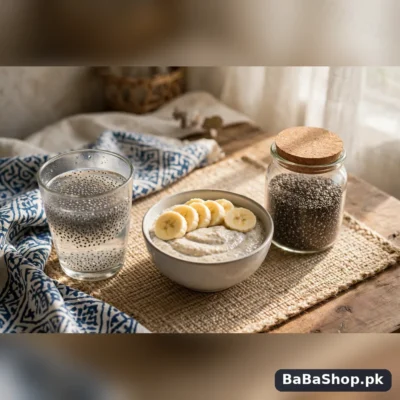
A second confusion happens in the glass, not the shop. Gond katira, basil seeds and chia seeds all swell in water, and all three go into summer drinks and falooda. But they are different ingredients. Basil seeds swell in minutes, turn black with a white jelly coat, and have a mild, basil-like taste. Chia seeds swell in about 20 minutes into a grey gel. Gond katira needs hours — overnight is best — and turns into a clear, flavourless jelly. Our moringa powder guide and our kishmish guide cover two other Seeds and Nutrition items that often sit beside gond katira on the same shelf, if you are building a summer pantry in one order.
How to use gond katira: soaking, sharbat, doodh and falooda
Using gond katira is easy, but it has one rule that cannot be skipped: soak it fully before you eat it. Dry flakes swell inside your body the same way they swell in a glass, and that is where the trouble starts. Every seller we checked says the same thing, and New Pansari puts it in bold on its product page: never consume dry or under-soaked gum, because insufficient soaking could pose a choking or digestive discomfort risk. Soak first, always.
Step 1 — Soak overnight
Take 1 teaspoon of dry flakes — about 2 grams — and put them in a full glass of plain water. A small bowl works too, but a glass lets you see the swelling. Leave it for 6 to 8 hours, or overnight. By morning, the flakes will have swollen into a soft, clear jelly that fills much of the glass. If some hard pieces remain in the middle, it needs more time — leave it another few hours. Powder swells faster than whole flakes, usually in 2 to 3 hours, but overnight still gives the most even gel. Never use hot water to speed it up: it makes the outside swell while the inside stays hard, which is exactly the uneven soak you want to avoid.
Step 2 — Rinse and drain
Pour the soaked gel through a strainer and rinse it once with clean water. This washes away any dust or tiny bark pieces that came with the flakes. If the gel smells of anything — real gond katira is odourless — rinse it again, and think about whether the lot was clean. A faint earthy smell after one rinse is normal for a pansari lot; a strong smell is a reason to return it.
Step 3 — Stir into your drink
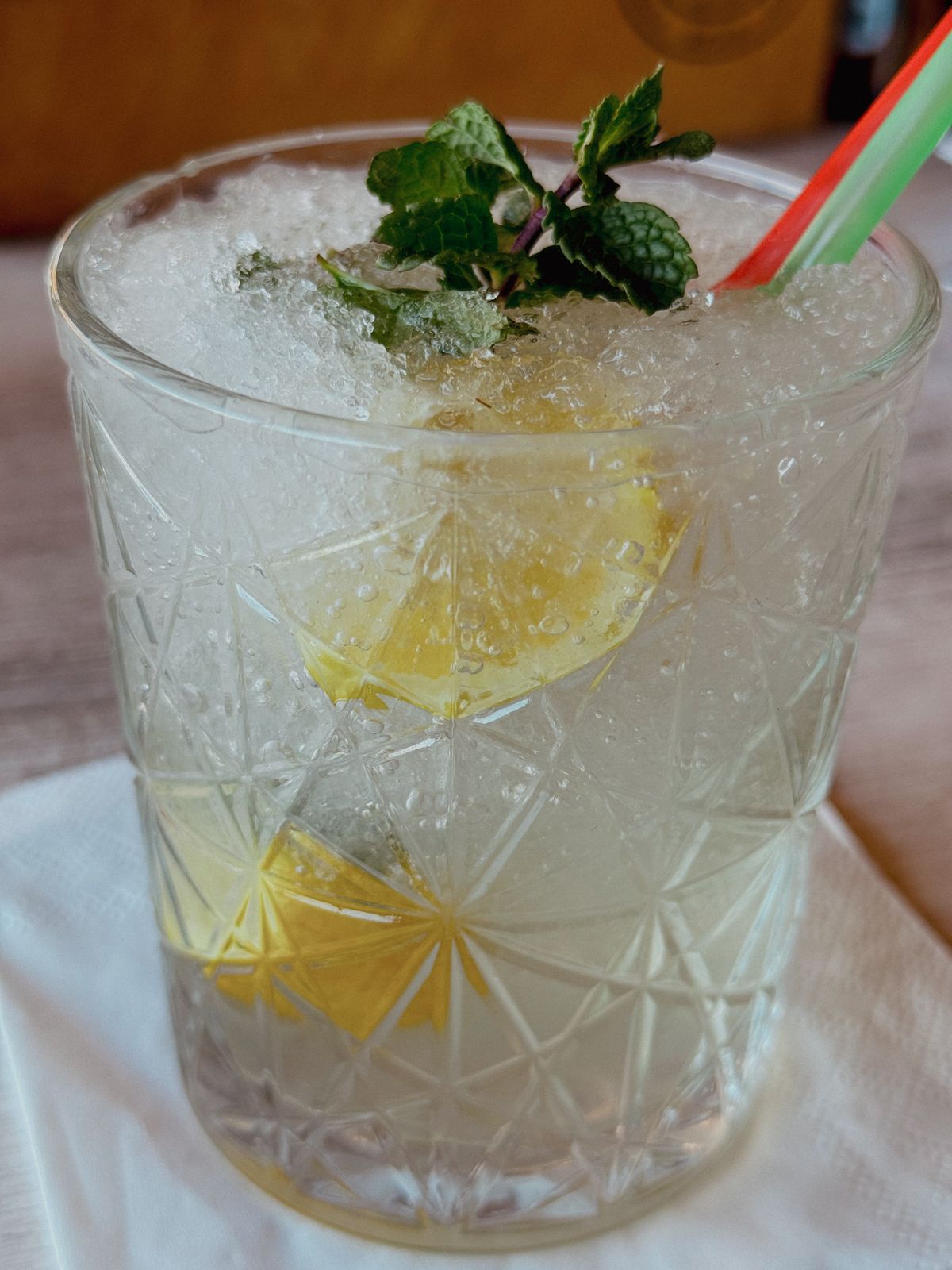
Add the gel to a glass of cold milk, lemonade, shikanjvi or sharbat, and stir. That is the whole recipe. The gel adds a cool, jelly texture and no flavour of its own, so the drink tastes of whatever you made it with. One soaked teaspoon of flakes makes one glass. Two teaspoons make a thick, falooda-style glass. Start with one teaspoon for the first week, while your stomach gets used to the fibre — Vital Hill’s own guidance says the same.
Three classic recipes
- Gond katira doodh (milk): soak 1 teaspoon of flakes overnight. In the morning, stir the gel into a glass of cold milk with a teaspoon of sugar or honey and a pinch of cardamom. Drink it chilled. This is the traditional strength drink, given to new mothers and to anyone recovering from weakness — and it is the drink most Pakistani families mean when they say “gond katira”.
- Gond katira shikanjvi (lemonade): make a normal shikanjvi — lemon juice, water, sugar, a pinch of salt — then stir in the soaked gel and a few mint leaves. Serve over ice. The gel turns a plain lemonade into a cooling summer drink with body, and it is the version children like best.
- Gond katira falooda: layer the soaked gel with falooda noodles, basil seeds (tukh malanga), milk, rose syrup and a scoop of kulfi or ice cream. The gel sits beside the noodles as a second jelly texture. Use 2 teaspoons of flakes per serving here, because the glass is bigger and the other ingredients share the space.
Other uses: skin, hair and sweets
Soaked gond katira gel is also used in traditional face packs — spread the gel on the skin, leave it for 15 minutes, and wash it off. Sellers describe it as cooling for sun-exposed skin and prickly heat. We have not tested this, and we cannot verify a skin benefit, so treat it as a traditional use, not a proven one. The same applies to hair masks, where the gel is mixed with oil or curd and applied before washing. For sweets, gond katira powder is used as a natural thickener in traditional desserts, and whole flakes go into panjiri-style preparations in winter — fried in ghee first, not soaked. Do not mix up the two methods: summer drinks use soaked gel, winter sweets use ghee-fried flakes.
Gond katira benefits: what is proven and what is not
Gond katira has a long list of claimed benefits, and most of them come from tradition, not from clinical trials. This section separates the two honestly. What is marked “traditional” is what hakims and families have believed for generations. What is marked “evidence” is what a medical source actually says. We are not doctors, and this guide makes no medical claims of its own.
What the medical sources actually say
- Cooling and heat: traditional. Gond katira is described as cold in temperament in Unani medicine, and it is the classic answer to summer heat in Pakistan, Iran and India. No clinical trial proves it lowers body temperature. The cooling feeling comes from a cold drink with a jelly texture, which is real — but it is not the same as a measured drop in body temperature.
- Digestion and constipation: limited evidence. Tragacanth is a soluble fibre gel, and soluble fibre in general helps regular bowel movements. Drugs.com notes that tragacanth has traditionally been used to manage diarrhoea and as a demulcent — a soothing agent — in cough and cold preparations. But Drugs.com also states plainly that clinical trial data are lacking to recommend tragacanth for any indication. So the fibre logic is sound, and the specific proof for gond katira is missing.
- Weight loss: not proven. Some sites claim gond katira helps weight loss because the gel fills the stomach and reduces appetite. That is a reasonable idea — fibre does increase fullness — but no human trial has tested gond katira for weight loss. Do not buy it as a weight-loss product. A glass of soaked gum with sugar and full-cream milk has calories of its own, and it will not undo a heavy diet.
- Skin and anti-ageing: not proven. Traditional face packs use the gel for a cooled, fresh feel, and sellers describe it as an anti-ageing supplement. No clinical trial supports an anti-ageing claim. A cool gel on sun-warmed skin feels good — that is the honest version.
- Blood pressure, diabetes and cancer: not proven. Some articles claim gond katira lowers blood pressure, helps diabetes or fights cancer. Drugs.com records that animal and laboratory studies have looked at tragacanth for several conditions, including blood sugar and cancer cells, but those are animal and test-tube results, not human evidence. No human trial supports any of these claims. Any seller or site that promises them is selling a story, not a result.
- Wound healing: one small trial. Drugs.com notes that positive effects of tragacanth on wound healing were demonstrated in one small clinical trial. One small trial is a hint, not a proof — and it was about wound care, not about drinking gond katira.
- Urinary comfort: traditional. In Unani practice, gond katira is used where urination feels hot or burning in summer. This is a traditional use with no clinical trial behind it.
- Strength and postpartum recovery: traditional. Gond katira in milk is a long-standing strength food for new mothers and for men recovering from weakness. The milk, sugar and rest do most of the work here — the gum adds fibre and texture. The tradition is real; a measured strength benefit is not proven.
Read the Drugs.com monograph yourself here: Drugs.com — Tragacanth Uses, Benefits and Dosage. It is medically reviewed and updated in October 2026, and it is the most careful source we found. The RxList page on tragacanth is a second useful check: RxList — Tragacanth: Health Benefits, Side Effects, Uses, Dose and Precautions.
Honest note: most of what is written about gond katira online — on seller pages, blogs and health sites — repeats the same traditional claims without a source. We checked the two medical references above and the sellers’ own pages, and we did not find a single large human trial of gond katira for any health benefit. That does not make the tradition worthless. It means you should buy gond katira as a food and a summer drink, not as a medicine — and you should be suspicious of any seller who promises cures.
Side effects and safety: who should be careful
Gond katira is generally safe as a food in normal amounts. Drugs.com records that in a small study, no adverse effects were associated with dietary gum tragacanth supplementation in healthy men for up to 21 days, and that the gum has GRAS status as a food additive. But “generally safe” does not mean “safe for everyone, in any amount”. Here are the real risks, from the medical sources.
- Choking and blockage — the main risk: tragacanth swells in water, and it keeps swelling after you swallow it. If you eat it dry or under-soaked, or swallow a large amount without enough water, it can block the throat or the intestine. RxList warns that it can block the intestines if you do not drink enough fluid. A traditional pharmacy reference from Shahid Beheshti University of Medical Sciences warns that insufficient fluid after large amounts of tragacanth can lead to intestinal obstruction and even closure of the oesophagus. This is the one risk that matters most, and it is entirely preventable: soak fully, use a small amount, and drink plenty of water with it.
- Allergy: rare, but real. Some people are allergic to tragacanth, with rashes, itching or stomach upset. RxList notes that tragacanth can cause breathing problems in people who are sensitive to quillaia bark. If you have a plant or gum allergy, try a tiny amount first, and stop at once if you feel itching, swelling or breathlessness.
- Bloating and diarrhoea: too much fibre at once can cause bloating, gas or loose motions, especially in the first week. Start with half a teaspoon of flakes a day and build up slowly. One glass a day is enough for most people.
- Pregnancy and breastfeeding: avoid, or ask a doctor first. Drugs.com says to avoid use in pregnancy and lactation because safety information is lacking. RxList says the same: not enough is known, so stay on the safe side and avoid use. This matters because some Pakistani traditions give gond katira to new mothers — that is after delivery, in food amounts, and it is still worth asking a doctor about, especially while breastfeeding.
- Medicines: tragacanth is a thick gel, and it can stick to medicines in the stomach and reduce how much of them your body absorbs. RxList rates this a moderate interaction and advises taking tragacanth at least one hour after any medicine you swallow. If you take daily medicine — for blood pressure, diabetes, thyroid or anything else — keep that one-hour gap, and tell your doctor you use gond katira.
- Children: a small amount of soaked gel in a drink is a traditional food for older children, but dry flakes must be kept away from small children entirely. A child who eats dry flakes can choke, because the gum swells in the throat.
When to stop and get help: stop using gond katira and seek medical help if you feel food stuck in your throat or chest, if you have severe stomach pain or vomiting after taking it, or if you develop swelling of the lips or tongue or difficulty breathing. These are rare, but they are the signs that matter. Do not wait them out.
Real vs fake gond katira: the quality check
Gond katira is one of the most adulterated pansari items, because the real gum is expensive and the fakes are cheap. The usual tricks are simple: mix in cheaper gums, sell yellow or dusty low-grade lots as premium, or sell rock sugar crystals or synthetic jelly as “gond katira”. A fake will not swell properly, and it will not give you the drink you paid for. Here is how to check what you bought.
The five checks that work at home
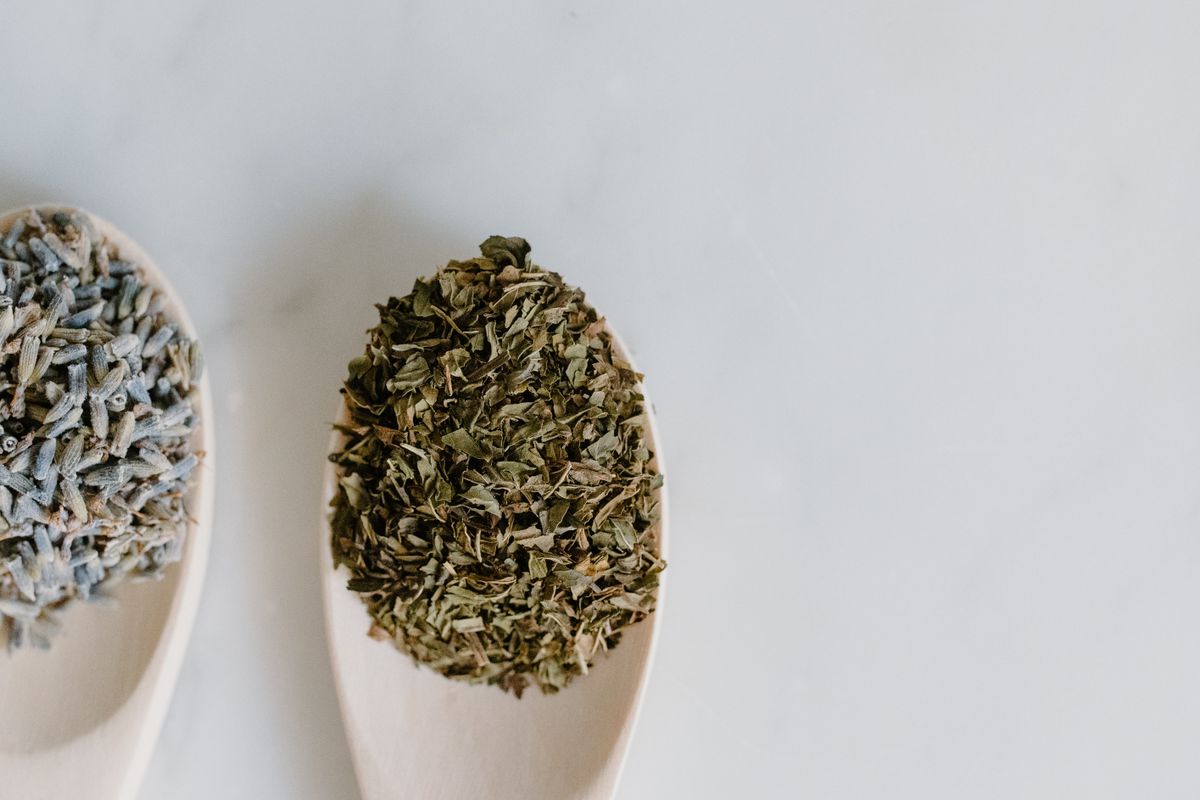
- Look at it dry: real gond katira flakes are pale, translucent and glassy, from almost clear to pale lemon-yellow or honey-amber. Yellow-brown, opaque or cloudy pieces are a poor grade. Pure white, perfectly uniform crystals are suspicious — real gum is never perfectly uniform.
- Smell it: real gond katira is odourless. A sweet smell means sugar. A chemical smell means something added. A musty smell means damp storage, and damp gum goes bad faster.
- Soak it: one teaspoon in a full glass of water overnight should swell into a soft, clear gel that fills much of the glass. If it stays hard, dissolves into a sticky liquid, or turns cloudy white, it is not good gond katira. This one test catches most fakes.
- Feel it: real flakes are hard and brittle when dry, and they snap cleanly. Soft, bendy or waxy pieces are not tragacanth. The soaked gel should be soft, smooth and slippery, not gritty. Grit means bark, dust or sand mixed in.
- Taste the gel: real gond katira gel is bland — almost no taste at all. A sweet gel means added sugar. A sour or bitter gel means a bad lot.
What adulteration looks like
The commonest adulterant is a cheaper gum — ordinary gond or acacia gum mixed into the flakes. It looks similar dry, but it does not swell into a clear jelly, so the soak test catches it. The second trick is dyed or polished low-grade gum: yellow lots cleaned and sold as premium. The price is the giveaway here — a “premium” pack at the cheapest price in the market is usually a polished low grade. The third trick is weight: damp gum weighs more, so a seller who stores gum in a humid shop sells you water by weight. Dry flakes should feel light and rattle in the pack. If the pack feels heavy and the flakes feel soft, the gum has absorbed moisture.
How to choose: the 10-point check
Use this list every time you buy — it takes two minutes and catches most bad gum.
- Check the name on the listing: it should say gond katira or tragacanth gum, and ideally the botanical name Astragalus. A listing that only says “gond” may be ordinary edible gum.
- Look at the flakes: pale, translucent, glassy. Refuse yellow-brown, gritty or cloudy lots.
- Smell it: odourless is right. Sweet, chemical or musty is wrong.
- Work out the per-100g price: divide the price by the weight in 100g units. Under Rs 250 per 100g is fair value right now; above Rs 450 per 100g needs a reason.
- Buy the size you will finish: a 1kg pack is the best value per gram, but only if you use it. Gond katira keeps for a long time dry, so a big pack is less risky here than with oil — but a first buy should still be 100g.
- Prefer a sealed pack: sealed, food-grade packing with a label beats a loose scoop from an open sack, especially online. Keep the pack until you have soaked and tested the gum.
- Check the form: whole flakes for drinks, powder for face packs and quick use. Do not pay a powder price for whole flakes.
- Prefer a known seller: buy from a seller with a return policy and cash on delivery, and keep the receipt. Khan Dry Fruits offers a 7-day return policy; Multiversal offers cash on delivery across Pakistan.
- Test the first spoon: soak one teaspoon overnight before you use the rest of the pack. If it does not swell into a clear gel, return it.
- Do not pay for words: “premium”, “pure”, “organic” and “export quality” are marketing words, not grades. The flakes, the smell and the soak test are what matter. No seller we checked holds an organic certificate for gond katira, and we did not claim one for any of them.
Who should buy it — and who should avoid it
Buy it if you love summer drinks and want the classic gond katira sharbat or doodh; cook falooda at home and want the real jelly texture; want a natural, fibre-rich drink ingredient with almost no calories of its own; or buy for a whole family through the summer, in which case a 500g or 1kg pack at Rs 197 to Rs 280 per 100g is good value. Think twice — or ask a doctor first — if you are pregnant or breastfeeding (Drugs.com and RxList both advise avoiding use, because safety information is lacking); take daily medicines by mouth (keep a one-hour gap between your medicine and your gond katira drink); have a gum or plant allergy, or a sensitivity to quillaia bark; have a digestive condition that makes swallowing or fibre difficult; or expect gond katira to cure an illness, lower your blood pressure or make you lose weight (no human trial supports those claims, and a seller who promises them is not honest).
City-wise prices: Lahore, Karachi, Islamabad, Sargodha
Online prices are broadly the same across Pakistan — a 250g pack costs Rs 630 at Khan Dry Fruits whether you order from Lahore or Sargodha. What changes by city is delivery, the offline pansari market, and which sellers serve you. The notes below are indicative, not source-verified shelf prices — check before buying, because no seller publishes a city-wise price list for the same pack.
- Lahore: the best-served city for gond katira. Akbari Mandi and the pansari shops of the old city sell it loose by weight, and New Pansari — based at Al Rehman Pansar Store, Nishtar Colony, Lahore — sells it online from Rs 280 to Rs 1,900 across 50g to 500g packs. Multiversal Pure, also Lahore-based, sells its premium 250g pack at Rs 1,379 with cash on delivery. Delivery from online sellers is usually same-day or next-day within Lahore.
- Karachi: Empress Market and the old-city pansari shops stock gond katira loose, and the online sellers all deliver to Karachi in 2 to 4 days. Vital Hill quotes 3 to 4 working days for delivery across Pakistan. No Karachi-specific shelf price could be verified online, so compare the online per-100g rate before you pay a market price.
- Islamabad: the online sellers are the practical route — Aabpara and the old markets have pansari shops, but no verifiable online shelf price for gond katira could be found for Islamabad. Delivery from the online sellers takes 2 to 4 working days, and cash on delivery is available from most of them.
- Sargodha and smaller cities: online ordering with cash on delivery is the practical route — Khan Dry Fruits delivers to more than 47 cities, and Subhan Bazar, Ibex and NatureZone all offer nationwide delivery. Small-city pansari shops can charge Rs 20 to Rs 50 more per 100g than the online price, because of transport and smaller volumes. Compare the per-100g rate before you pay, and keep the receipt.
Cost breakdown: what a month of gond katira really costs
The pack price is not the real cost. The real cost is what you use in a month. One glass a day uses about 1 teaspoon of dry flakes — roughly 2 grams. That is about 60 grams a month for one person, and about 240 grams a month for a family of four drinking a glass each every day. Those figures are our own arithmetic from the soaking guidance, not a survey: your own use may be higher or lower, and the honest way to know is to weigh your first pack and count the days it lasts.
Monthly cost at one glass a day
| Gond katira (per-100g price) | One person (60g a month) | Family of four (240g a month) |
|---|---|---|
| Subhan Bazar 500g (Rs 197 per 100g) | Rs 118 | Rs 473 |
| Khan Dry Fruits 1kg (Rs 227 per 100g) | Rs 136 | Rs 545 |
| Ibex Dry Fruits (Rs 280 per 100g) | Rs 168 | Rs 672 |
| Zakir Pansar (Rs 296 per 100g) | Rs 178 | Rs 710 |
| NatureZone 250g (Rs 320 per 100g) | Rs 192 | Rs 768 |
| Vital Hill 100g (Rs 473 per 100g) | Rs 284 | Rs 1,135 |
| Multiversal 250g (Rs 552 per 100g) | Rs 331 | Rs 1,325 |
Two lessons follow. First, gond katira is cheap by the glass: one person spends Rs 118 to Rs 331 a month on the gum itself, depending on the per-100g rate. The milk, sugar and lemons in the drink cost far more than the gum does. Second, the gap between the cheapest and the dearest gum is real money at family scale — Rs 473 a month against Rs 1,325 a month for a family of four, a gap of Rs 852 a month, or about Rs 10,200 over a year. That is the price of buying a premium brand without checking the per-100g rate.
Delivery matters too. Several online sellers charge Rs 150 to Rs 300 delivery on small orders, so a Rs 109 trial pack can cost Rs 350 landed. A 500g or 1kg pack with free delivery over a threshold can be cheaper landed than a 100g pack with delivery added — always check the delivery charge before you compare. Multiversal offers free delivery over Rs 3,000, which is why its 250g pack is best bought with something else in the same order, if you buy from them at all.
Storage and shelf life
Dry gond katira keeps for a long time if it is stored properly — sellers describe it as having a long shelf life when dry. Keep it in a cool, dry place, in an airtight container, away from sunlight and moisture. The gum absorbs moisture from humid air, so a loose lid in a Pakistani summer will slowly turn your flakes soft and heavy. Once it has absorbed moisture, it clumps, and clumped gum is harder to measure and slower to swell evenly.
Soaked gond katira is a different story. Keep it refrigerated, in a covered container, and use it within a few days. Do not leave a soaked batch at room temperature overnight in summer — it is mostly water and fibre, and it spoils like any wet food. A practical habit is to soak one night’s worth at a time: a teaspoon in a glass before bed, used the next day, and nothing left over. If the soaked gel smells sour or looks cloudy, throw it away — a fresh teaspoon costs a few rupees, and a spoiled batch is not worth the risk.
12.12 buying checklist
The 12.12 sale is on 12 December 2026. Gond katira is a winter buy for a summer ingredient, which makes 12.12 a good time to stock up — dry gum keeps well, and summer prices are usually higher. But only if the discount is real.
- Shortlist now. Pick two options (for example, Khan Dry Fruits 1kg at Rs 2,268 and Subhan Bazar 500g at Rs 986) and note their prices today.
- Watch the “was” price. If a seller raises the price before 12.12 and then “discounts” it back, you save nothing. Your notes from today are your protection. Multiversal’s 250g pack is already listed with a crossed-out Rs 1,549 — check whether that “discount” is still there on 12.12.
- Buy the size you will finish. A 1kg pack bought on discount is good value only if your family uses it. At one glass a day per person, a family of four finishes 1kg in about four months — fine for dry gum, which keeps well.
- Check the delivery charge. A discount that is eaten by delivery is not a discount. Compare the landed price, not the sticker price.
- Test before you stock up. Buy a 100g pack first and soak a teaspoon. Only order the 1kg pack after the gum has passed the soak test.
- Pay by cash on delivery if you are unsure. COD lets you check the seal and the flakes before paying. BaBaShop’s own store offers Rs 50 off on Raast payments — but only on BaBaShop products, not on gum sellers.
Looking for seeds and nutrition for your kitchen?
BaBaShop does not sell gond katira — but our chia seeds, flax seeds and other Seeds and Nutrition essentials are made for Pakistani kitchens, with cash on delivery across Pakistan.
Questions? WhatsApp us at 0302-4096495.
Related BaBaShop guides
If this guide helped, these ones will too.
- Moringa Powder Price in Pakistan
- Pink Salt in Pakistan
- Kishmish Price in Pakistan
- Green Cardamom Price in Pakistan
- Chia Seeds — BaBaShop.pk
- Golden Flax Seeds — BaBaShop.pk
Methodology: how we checked these prices
We checked live seller pages on 27 and 28 November 2026 and recorded the price shown on the page that day. The main table comes from seven sellers’ own product pages: Subhan Bazar (Purest Gond, 50g to 500g), Zakir Pansar (Gond Katira whole form, 50g to 500g), Khan Dry Fruits (Tragacanth Gum Herb, 250g to 1kg), NatureZone (Tragacanth Gum, 100g to 500g), Ibex Dry Fruits (Gond Katira, 250g to 1kg), Multiversal (Premium Gond Katira, 250g) and Vital Hill (Tragacanth Gum whole, 100g). Per-100g figures are our own arithmetic, rounded to the nearest rupee. Monthly cost figures are our own arithmetic from a 2-gram daily use per glass, stated as an estimate. We did not phone sellers for quotes, and we did not copy prices from other buying guides — except for the Subhan Bazar market guide ranges (regular gond katira Rs 800 to Rs 1,200 per kg, premium Rs 1,500 to Rs 2,500 per kg) and the gond babool range (Rs 200 to Rs 350 per 100g), which are quoted from that guide and flagged as guide figures, not live listings.
About the keyword itself: “gond katira price in pakistan” gets about 590 searches a month in Pakistan with a keyword difficulty of 8 (Semrush Pakistan database, 27 November 2026 run). That is below BaBaShop’s usual 1,000+ monthly volume rule, so this is a low-volume niche guide, written because gond katira is a real, searched question that Pakistani shoppers ask every summer, and because no gond katira guide existed on BaBaShop. The family keyword “gond katira price” (about 140 searches a month, KD 7) is covered as its own section above, and the Roman Urdu name and summer-drink use are covered in the introduction, the how-to-use section and the confusion-clearing section.
What we could not verify: any Daraz price for gond katira (the Daraz search page loads, but the text fetch shows zero product listings and zero prices — so no Daraz price could be read); a per-pack price for New Pansari (its page gives a range of Rs 280 to Rs 1,900 across 50g to 500g without mapping prices to packs, so no row could be built); a per-pack price for Organiq Mart (its page lists four variant prices — Rs 350, Rs 850, Rs 1,450 and Rs 2,800 — against four sizes, but the size-to-price mapping is not shown on the page we fetched, so no row could be built); a clean per-weight price for Vital Hill beyond the 100g whole pack (its page shows 15 variant prices from Rs 270 to Rs 2,970 without naming the weight for each, so only the explicitly stated Rs 473 for 100g whole was used); a Karachi, Islamabad or Sargodha shelf price for the same pack (no seller publishes city-wise prices); a published per-100g nutrition table with mineral values (none found from a reliable source, so no mineral numbers are printed); organic certification for any seller; lab-tested composition for any seller’s own gum; and an aggregated buyer-review set (none found for any seller). All of these were left out or flagged rather than guessed.
What we have not tested: we have not used or lab-tested any of this gum. We do not sell gond katira, we have no lab results, and the prices are the sellers’ own listed prices — not our recommendation of any one seller. No expert reviewed this draft — we cite Drugs.com and RxList by name and link instead, and we mark traditional claims as traditional.
Sources used for health and safety claims: Drugs.com — “Tragacanth Uses, Benefits and Dosage” (GRAS status, no clinical trial data to recommend use for any indication, one small wound-healing trial, no adverse effects in a small 21-day study in healthy men, avoid in pregnancy and lactation, protein content about 3 to 4 percent); RxList — “Tragacanth: Health Benefits, Side Effects, Uses, Dose and Precautions” (intestinal blockage without enough fluid, avoid in pregnancy and breastfeeding, quillaia allergy warning, one-hour gap from oral medicines). Price sources: Subhan Bazar — Purest Gond, Khan Dry Fruits — Tragacanth Gum Herb 250g, NatureZone — Tragacanth Gum, Ibex Dry Fruits — Gond Katira, Multiversal — Premium Gond Katira, Vital Hill — Tragacanth Gum, New Pansari — Tragacanth Gum.
About BaBaShop: BaBaShop.pk is an online store in Sargodha (Shop No: 85, General Bus Stand, Jinnah Colony). Delivery on our own products is weight-based at Rs 200 per 0.5 kg slab. Cash on delivery is available across Pakistan, and Raast online payment gets Rs 50 off.
FAQs: gond katira price in Pakistan
What is the gond katira price in Pakistan?
Gond katira costs Rs 109 for a 50g pack at Subhan Bazar, Rs 208 to Rs 473 for 100g, Rs 630 to Rs 1,379 for 250g, Rs 986 to Rs 1,478 for 500g, and Rs 2,268 to Rs 2,800 for 1kg. The per-100g rate runs from Rs 197 to Rs 552, so always compare the per-100g price, not the pack price.
What is the gond katira price per 100g in Pakistan?
The verified per-100g rate runs from Rs 197 (Subhan Bazar 500g pack) to Rs 552 (Multiversal 250g pack). A fair value is under Rs 250 per 100g. Between Rs 250 and Rs 300 per 100g is normal for a branded, sealed pack. Above Rs 450 per 100g, ask what you are paying for.
How do you use gond katira?
Soak 1 teaspoon of dry flakes in a full glass of water for 6 to 8 hours or overnight, until they swell into a soft, clear gel. Rinse once, then stir the gel into cold milk, lemonade, shikanjvi or sharbat. Never eat gond katira dry or under-soaked, because it keeps swelling after you swallow it and can choke you or block your intestine.
Is gond katira good for health?
As a food, gond katira is a soluble fibre gel with GRAS status as a food additive, and it is traditionally used as a cooling summer drink and for digestion. But no clinical trial proves it lowers body temperature, causes weight loss, controls blood sugar or prevents cancer. Buy it as a food and a summer drink, not as a medicine. If you have a medical condition, ask your doctor first.
What is the difference between gond katira and gond?
Gond katira (tragacanth gum, from Astragalus shrubs) swells in water into a clear jelly and is a cooling summer drink ingredient. Ordinary gond (edible gum, from the babool tree) is a warming winter food, fried in ghee for panjiri and laddoo, and it does not form a jelly. They are not interchangeable. Ask the shopkeeper whether it swells into jelly in water: if yes, it is gond katira.
Can pregnant women eat gond katira?
Drugs.com and RxList both advise avoiding tragacanth in pregnancy and breastfeeding, because safety information is lacking. Some Pakistani traditions give gond katira in milk to new mothers after delivery, but that is a traditional food use, not medical advice. Pregnant or breastfeeding women should ask their doctor before using it regularly.
How can I tell real gond katira from fake?
Real gond katira flakes are pale, translucent and glassy, odourless, hard and brittle when dry, and they swell overnight into a soft, clear, flavourless gel. Yellow-brown, gritty, cloudy or sweet-smelling lots are poor grade or fake. The soak test is the best check: one teaspoon in a full glass of water overnight should fill much of the glass with clear gel.
Does BaBaShop sell gond katira?
No. BaBaShop does not sell gond katira. This is a price and buying guide only. Our chia seeds and golden flax seeds are available with cash on delivery across Pakistan. WhatsApp us at 0302-4096495.

Conclusion: gond katira price in Pakistan
The gond katira price in Pakistan comes down to three numbers. A 250g pack costs Rs 630 to Rs 1,379. A 1kg pack costs Rs 2,268 to Rs 2,800. And a month of one glass a day costs Rs 118 to Rs 331 for the gum itself — the milk and sugar in the drink cost more than the gum does.
Buy a 100g pack first if you have never used gond katira, soak a teaspoon overnight, and watch it swell into a clear gel. If it passes the soak test, move to the pack that fits your family: a 500g Subhan Bazar pack at Rs 986 for the lowest per-100g rate, or a 1kg Khan Dry Fruits pack at Rs 2,268 for the cheapest kilo. Check the name on the listing (gond katira, not just gond), the flakes (pale and glassy, not yellow and gritty), and the per-100g price before you compare — and never pay for the word “premium” alone. And before the 12.12 sale, write down today’s prices for your two shortlisted packs. That one habit is worth more than any discount banner.
If you want seeds and nutrition from a shop that states its prices plainly, BaBaShop’s golden flax seeds are here: babashop.pk/product/golden-flax-seeds/.
Transparency note: BaBaShop does not sell gond katira. All prices are market prices from the sellers’ own live pages, checked on 27–28 November 2026. Prices can change — confirm on the seller’s page before you pay. This guide contains no affiliate links. The keyword “gond katira price in pakistan” gets about 590 searches a month in Pakistan (KD 8), below our usual 1,000+ volume rule — see the methodology section above.
Written by BaBaShop.pk Team, Sargodha — Shop No: 85, General Bus Stand, Jinnah Colony. WhatsApp: 0302-4096495. Updated: 28 November 2026.