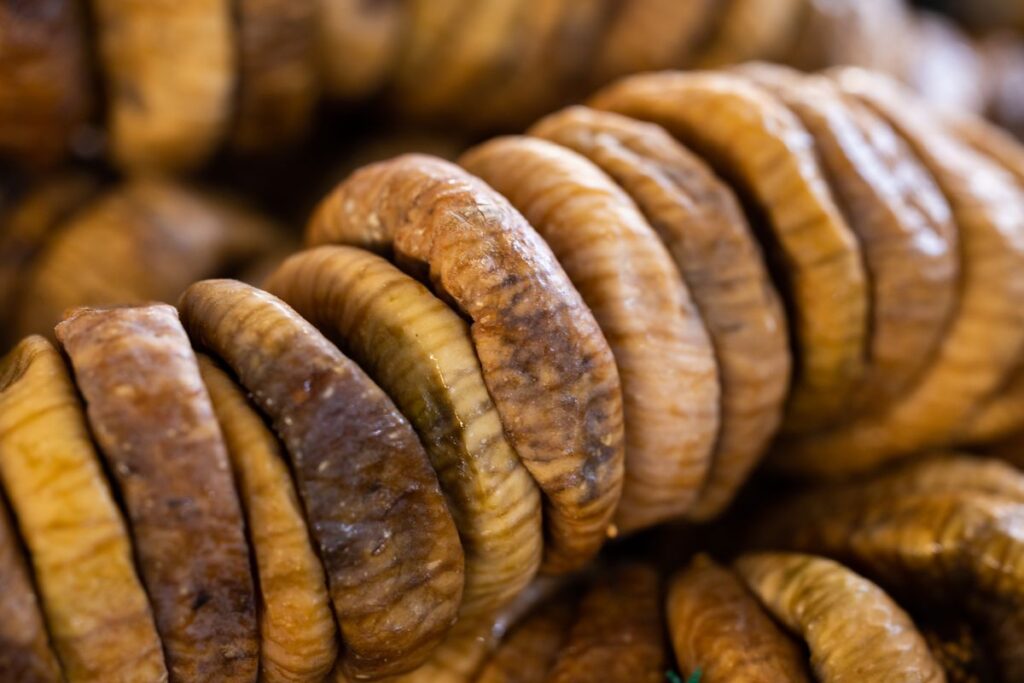
Winter is here, and with it comes the dry fruit season. The bowls of badam and akhrot are back on the table, the panjiri is being made, and in the middle of it all sits a small, wrinkled, honey-sweet fruit that every Pakistani home knows: anjeer. The question everyone asks before buying a pack is the same — what is the real anjeer price in Pakistan right now, and which kind is worth the money?
This guide gives you checked prices, not guesses. We checked live seller pages on 27 and 28 November 2026 and recorded 36 verified price rows for dried figs — six varieties, three pack sizes each, from four Pakistani online dry fruit stores — with a per-100g column so a 250g pack and a 1kg pack can be compared fairly.
One honest note first: BaBaShop does not sell anjeer. This is a price and buying guide, not a product page. Where we could not verify a price or a claim, we say so plainly instead of guessing.
Quick answer: anjeer price in Pakistan 2026
- Rs 800 buys the cheapest 250g pack — Ibex Afghani anjeer.
- Rs 3,400 buys the cheapest 1kg pack — Brown anjeer at Dry Fruits Mart.
- Rs 8,280 is the dearest 1kg pack we verified — Turkish anjeer at Khan Dry Fruits.
- Rs 320 per 100g is the lowest per-100g rate — Ibex Afghani 250g.
- Rs 920 per 100g is the highest per-100g rate — Khan Turkish 250g.
- Rs 2,550 a month is what 3 soaked figs a day costs at the cheapest rate — about Rs 85 a day.
What this guide covers
- What is anjeer? Dried figs explained
- Anjeer price in Pakistan: verified price table
- Anjeer rate in Pakistan: more verified prices
- Fresh anjeer price in Pakistan
- Fresh vs dried anjeer: the honest comparison
- Anjeer 1kg price in Pakistan
- Best anjeer in Pakistan: our honest picks
- Afghani, Turkish and Irani anjeer: what is the difference?
- Anjeer nutrition: what is in 100g of dried figs?
- Anjeer benefits: what is proven and what is not
- Anjeer side effects and precautions
- Who should buy anjeer — and who should avoid it
- How to eat anjeer: soaking, milk, snacks and desserts
- How to choose good anjeer: the 10-point check
- How to store anjeer (and the white powder question)
- City-wise prices: Lahore, Karachi, Islamabad, Sargodha
- Cost breakdown: what a month of anjeer really costs
- Anjeer vs kishmish vs dates: which dried fruit is better value?
- 12.12 buying checklist
- Methodology: how we checked these prices
- FAQs
- Conclusion
What is anjeer? Dried figs explained
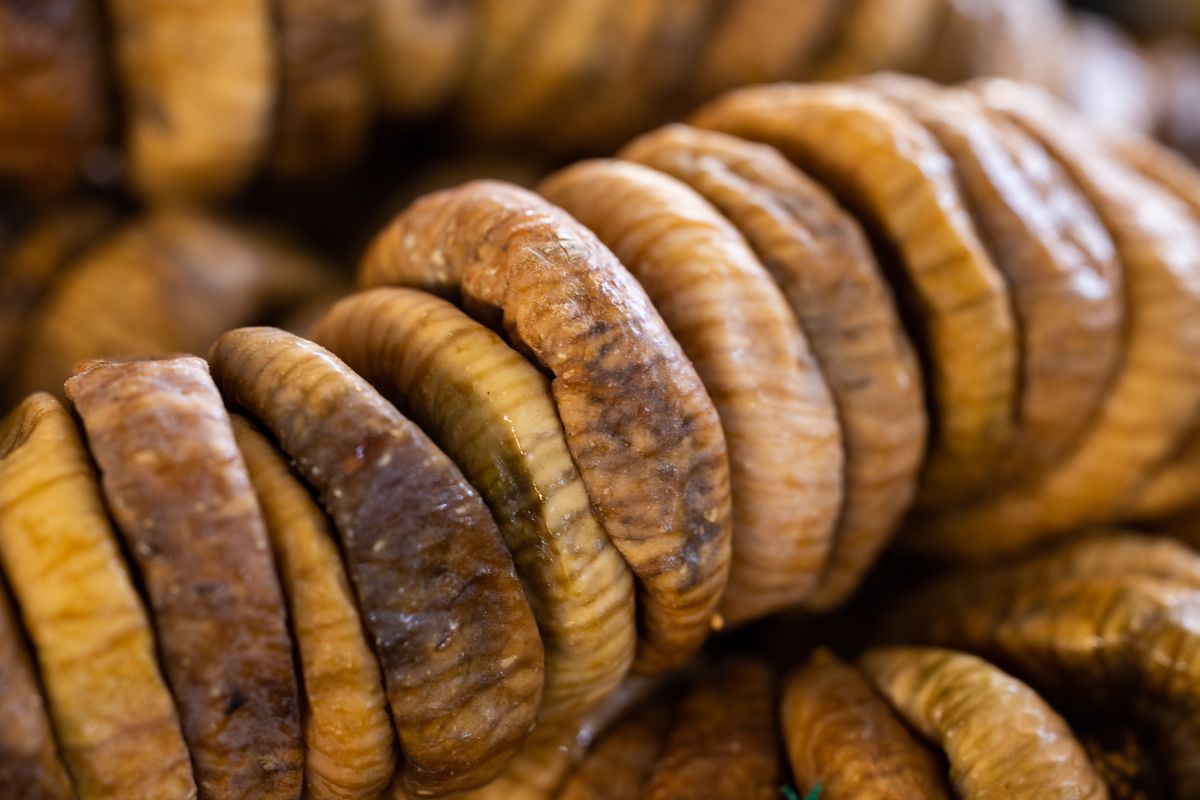
Anjeer is the Urdu name for the fig — the fruit of the fig tree (Ficus carica), one of the oldest cultivated fruits in the world. In Pakistan, anjeer almost always means dried figs: the fresh fruit is soft, delicate and spoils within days, so it is sun-dried soon after picking. Drying removes most of the water and leaves a chewy, wrinkled fruit that keeps for months — and concentrates everything inside it, both the good and the sweet.
The fig holds a special place in Muslim homes. Surah At-Tin, the 95th chapter of the Holy Quran, opens with an oath by the fig and the olive — “By the fig and the olive” — which is why anjeer is often given as a gift, served to guests, and kept in the house through winter. It is also a winter food in the practical sense: anjeer is a panjiri ingredient, it goes into kheer and halwa, it is soaked overnight and eaten in the morning, and it is stirred into warm milk for children and elders.
Pakistan does not grow dried figs at commercial scale. The anjeer on our shelves comes from abroad — Afghanistan, Iran and Turkey, in that order of price — and is packed and sold here by dry fruit stores. Turkey is the world’s largest exporter of dried figs, and Turkish figs are the premium end of our market. That import chain is the first reason prices move: when the rupee weakens, when the Afghan border trade slows, or when winter demand rises, the anjeer rate in Pakistan follows within weeks. The second reason is the variety: a kilo of Brown anjeer costs less than half a kilo of Irani anjeer, as the tables below show.
Why anjeer costs what it costs
Three things decide the price of a pack of anjeer: where it comes from, how big and soft the figs are, and how it is graded. Large, soft, whole figs cost more than small or broken ones. Light-coloured Irani figs cost more than dark Brown figs. And a sealed, graded pack from a known store costs more than loose figs weighed out at a mandi — but the sealed pack is also the one you can return if something is wrong. None of that is visible from the price alone, which is why the per-100g column in the tables below matters: it is the only fair way to compare a 250g pack of one variety with a 1kg pack of another.
Anjeer price in Pakistan: the verified price table
Every price below was taken from Dry Fruits Mart’s own anjeer collection page, which lists the store’s live prices and was updated automatically from the store on 27 November 2026. The per-100g column is our own arithmetic, rounded to the nearest rupee. Dry Fruits Mart packs at its Faisalabad store and delivers across Pakistan in 2 to 4 working days with cash on delivery.
| Variety / Pack | Price (Rs) | Pack size | Price per 100g | Where verified |
|---|---|---|---|---|
| Brown Anjeer | Rs 850 | 250g | Rs 340 | Dry Fruits Mart |
| Brown Anjeer | Rs 1,700 | 500g | Rs 340 | Dry Fruits Mart |
| Brown Anjeer | Rs 3,400 | 1kg | Rs 340 | Dry Fruits Mart |
| Classic Anjeer | Rs 999 | 250g | Rs 400 | Dry Fruits Mart |
| Classic Anjeer | Rs 1,899 | 500g | Rs 380 | Dry Fruits Mart |
| Classic Anjeer | Rs 3,599 | 1kg | Rs 360 | Dry Fruits Mart |
| Afghani Anjeer | Rs 1,300 | 250g | Rs 520 | Dry Fruits Mart |
| Afghani Anjeer | Rs 2,600 | 500g | Rs 520 | Dry Fruits Mart |
| Afghani Anjeer | Rs 5,200 | 1kg | Rs 520 | Dry Fruits Mart |
| Turkish Anjeer | Rs 1,650 | 250g | Rs 660 | Dry Fruits Mart |
| Turkish Anjeer | Rs 3,250 | 500g | Rs 650 | Dry Fruits Mart |
| Turkish Anjeer | Rs 6,500 | 1kg | Rs 650 | Dry Fruits Mart |
| Syrian Anjeer | Rs 1,800 | 250g | Rs 720 | Dry Fruits Mart |
| Syrian Anjeer | Rs 3,600 | 500g | Rs 720 | Dry Fruits Mart |
| Syrian Anjeer | Rs 7,200 | 1kg | Rs 720 | Dry Fruits Mart |
| Irani Anjeer | Rs 2,050 | 250g | Rs 820 | Dry Fruits Mart |
| Irani Anjeer | Rs 4,100 | 500g | Rs 820 | Dry Fruits Mart |
| Irani Anjeer | Rs 7,900 | 1kg | Rs 790 | Dry Fruits Mart |
Source: Dry Fruits Mart anjeer collection page, prices updated automatically from the store on 27 November 2026. Prices can change; confirm on the seller’s page before you pay.
The honest range for dried anjeer at this one store is Rs 340 to Rs 820 per 100g — a gap of more than double between the cheapest and the dearest variety. A 250g pack costs Rs 850 to Rs 2,050, a 500g pack Rs 1,700 to Rs 4,100, and a 1kg pack Rs 3,400 to Rs 7,900. Notice one useful pattern: at this store, the per-100g rate barely changes with pack size. Brown anjeer is Rs 340 per 100g whether you buy 250g or 1kg, and Afghani is Rs 520 per 100g at every size. That means there is no big-pack saving here — buy the size you will actually finish before it goes stale, not the biggest pack on the shelf.
Read the variety, not just the price: a 250g pack labelled simply “anjeer” can cost Rs 800 at one store and Rs 2,300 at another — and both prices can be honest, because the first is medium Afghani figs and the second is premium Turkish figs. Before you compare two prices, check which variety, which size and which grade each one is. A price without a variety name tells you nothing.
Anjeer rate in Pakistan: more verified prices
One seller’s prices are never the whole market. These rows come from three other live sellers, checked on 27 and 28 November 2026. They matter because they show the spread: the same kind of Afghani anjeer costs Rs 800 for 250g at Ibex, Rs 950 for a medium 250g at Khan Dry Fruits, and Rs 1,300 for 250g at Dry Fruits Mart — a Rs 500 gap for a quarter kilo of what is broadly the same fruit.
| Variety / Pack | Price (Rs) | Pack size | Price per 100g | Where verified |
|---|---|---|---|---|
| Ibex Afghani Anjeer | Rs 800 | 250g | Rs 320 | Ibex Dry Fruits |
| Ibex Afghani Anjeer | Rs 1,750 | 500g | Rs 350 | Ibex Dry Fruits |
| Ibex Afghani Anjeer | Rs 3,500 | 1kg | Rs 350 | Ibex Dry Fruits |
| Khan Medium-Size Anjeer | Rs 950 | 250g | Rs 380 | Khan Dry Fruits |
| Khan Medium-Size Anjeer | Rs 1,805 | 500g | Rs 361 | Khan Dry Fruits |
| Khan Medium-Size Anjeer | Rs 3,420 | 1kg | Rs 342 | Khan Dry Fruits |
| Ibex Organic Dried Figs | Rs 1,050 | 250g | Rs 420 | Ibex Dry Fruits |
| Ibex Organic Dried Figs | Rs 2,100 | 500g | Rs 420 | Ibex Dry Fruits |
| Ibex Organic Dried Figs | Rs 4,200 | 1kg | Rs 420 | Ibex Dry Fruits |
| Khan Organic Premium Anjeer | Rs 1,400 | 250g | Rs 560 | Khan Dry Fruits |
| Khan Organic Premium Anjeer | Rs 2,660 | 500g | Rs 532 | Khan Dry Fruits |
| Khan Organic Premium Anjeer | Rs 5,040 | 1kg | Rs 504 | Khan Dry Fruits |
| Ibex Premium Afghani Anjeer | Rs 1,500 | 250g | Rs 600 | Ibex Dry Fruits |
| Ibex Premium Afghani Anjeer | Rs 3,000 | 500g | Rs 600 | Ibex Dry Fruits |
| Ibex Premium Afghani Anjeer | Rs 5,500 | 1kg | Rs 550 | Ibex Dry Fruits |
| Organic and Pure Iranian Gol Anjeer | Rs 2,100 | 250g | Rs 840 | Organic and Pure |
| Organic and Pure Iranian Gol Anjeer | Rs 4,200 | 500g | Rs 840 | Organic and Pure |
| Organic and Pure Iranian Gol Anjeer | Rs 8,000 | 1kg | Rs 800 | Organic and Pure |
Sources: Khan Dry Fruits product pages (prices as of October 2026, pages updated 27 November 2026); Ibex Dry Fruits product pages; Organic and Pure product pages. All checked 27–28 November 2026.
Two rows deserve a second look. First, Ibex Afghani anjeer at Rs 800 for 250g is the cheapest verified 250g pack in this whole guide — Rs 320 per 100g — but note that the same seller’s 500g pack works out dearer per 100g (Rs 350) than its own 250g pack. The bigger pack is not always the better deal, even at the same shop. Second, Khan’s Turkish anjeer — not in this table because it sits in its own premium band — costs Rs 2,300 for 250g, Rs 4,370 for 500g and Rs 8,280 for 1kg, which is Rs 920 per 100g at the small pack. That is the dearest per-100g rate we verified anywhere, and it is dearer than the Irani anjeer at Dry Fruits Mart. Turkish figs are large, soft and honey-sweet, and they command that price — but for daily soaking and milk, they are not three times better than a Rs 320-per-100g Afghani fig.
The two-minute rule: before you pay, divide the price by the grams and multiply by 100. For everyday dried anjeer, anything under Rs 400 per 100g is fair value right now. Between Rs 400 and Rs 600 per 100g you are paying for size and softness. Above Rs 800 per 100g, you are buying premium or gift-grade figs — make sure that is what you actually want.
What about Daraz and the mandi?
Daraz is where many Pakistanis check prices first, so it is worth saying plainly: we could not read a Daraz anjeer price directly, because the Daraz search page loads no product listings or prices in a text fetch — the same limit our earlier canola oil guide hit. Dry Fruits Mart’s own price guide reports that budget anjeer options on Daraz start at Rs 564 for a 250g pack, which is cheaper than any 250g pack we verified from a specialist store. That figure is reported by a seller, not read by us from Daraz, so treat it as a lead to check yourself rather than a verified price — open the listing, check the variety name, the seller rating and the delivery charge before you compare it with the tables above.
The mandi is the other half of the market. Khan Dry Fruits’ October 2026 winter guide puts the retail market average for anjeer at Rs 3,500 to Rs 6,000 a kilo, depending on quality — which lines up with our verified 1kg range of Rs 3,400 to Rs 8,280. Loose anjeer at Akbari Mandi in Lahore or Empress Market in Karachi can be cheaper than a sealed online pack, but no mandi publishes a daily anjeer rate online, so no loose price could be verified for this guide. If you buy loose, weigh it yourself, check for stones and stems, and taste one fig before you buy the kilo.
Fresh anjeer price in Pakistan
The search term “fresh anjeer price in pakistan” gets about 40 searches a month in Pakistan (Semrush, 27 November 2026 run, KD 6). It is a small search, but it asks a fair question — and the honest answer is that fresh anjeer barely has a price in Pakistan at all.
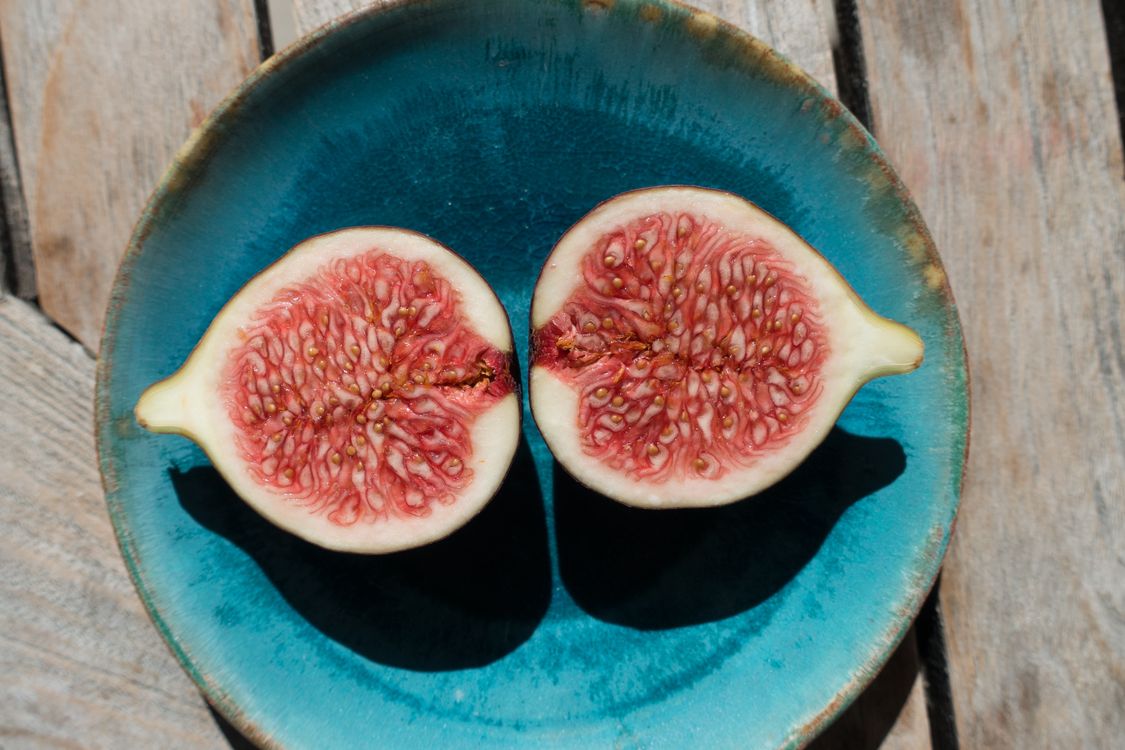
Fresh figs are one of the most perishable fruits there is. A ripe fig lasts two or three days at room temperature, a few days more in the fridge, and it bruises if you look at it the wrong way. That is why the online dry fruit stores in this guide — Dry Fruits Mart, Khan Dry Fruits, Ibex and Organic and Pure — sell dried anjeer only. No fresh-fig listing with a price could be found on any of them on 27–28 November 2026. Fresh figs do appear in season in fruit mandis and in the fruit sections of big supermarkets in Lahore, Karachi and Islamabad, but the price is a daily mandi rate, it is not published online, and it changes with the day’s supply. We did not invent a fresh-fig price for this section, because any number we wrote would be a guess.
What we can say, from the nutrition figures in this guide, is that fresh figs are the lighter food: about 74 calories per 100g against about 249 for dried figs, with about 16g of sugar against about 48g. If you find fresh figs in season — usually late summer — buy a small quantity, eat them the same day, and enjoy them as a fruit, not as a winter store. For the other eleven months of the year, dried anjeer is the anjeer Pakistan actually buys, and it is the anjeer this guide prices.
Fresh vs dried anjeer: the honest comparison
Fresh and dried anjeer are the same fruit with the water taken out — and that one change flips almost everything about them. Here is the straight comparison, with nutrition figures from the USDA food database as reported by Medical News Today and Nutriveda.
| Fresh anjeer | Dried anjeer | |
|---|---|---|
| Calories per 100g | 74 kcal | 249 kcal |
| Fibre per 100g | 2.9g | 9.8g |
| Sugar per 100g | 16.3g | 47.9g |
| Calcium per 100g | 35 mg | 162 mg |
| Potassium per 100g | 232 mg | 680 mg |
| Iron per 100g | 0.37 mg | 2.03 mg |
| Shelf life | 2–3 days | Months, in an airtight jar |
| Best for | Eating fresh, salads, desserts | Soaking, milk, panjiri, snacking, gifting |
| Availability in Pakistan | Seasonal, mandis only | All year, online and in shops |
| Price | No published online price found | Rs 320–Rs 920 per 100g, verified |
Drying concentrates everything — the fibre, the calcium, the iron, and the sugar too. A hundred grams of dried figs gives you more than three times the fibre of fresh figs, but also more than three times the calories and the sugar. That is why the portion matters so much more with dried anjeer: 100g of dried figs is about 12 figs, and nobody needs 12 figs at once. Three figs — about 25g — gives you about 63 calories and 2.5g of fibre, which is a sensible daily portion. The same three figs fresh would give you about 37 calories and far less fibre, but you would need to eat them the day you buy them.
For constipation and digestion, dried anjeer is the stronger choice per bite, because the fibre is concentrated. For blood sugar, fresh anjeer is the gentler choice, because the sugar is diluted by water. Neither is “better” on its own — it depends on what you need the fruit for. And soaking does not change the nutrition much: it makes dried figs softer and easier to chew and digest, which is why it is the most popular way to eat them in Pakistan, but the calories and sugar stay roughly the same.
Anjeer 1kg price in Pakistan
The 1kg pack is the size most people actually search for — “anjeer 1kg price in Pakistan” is the question behind this whole guide — so here is every verified 1kg price in one place, sorted from cheapest to dearest.
| Variety (1kg pack) | Price (Rs) | Price per 100g | Where verified |
|---|---|---|---|
| Brown Anjeer | Rs 3,400 | Rs 340 | Dry Fruits Mart |
| Khan Medium-Size Anjeer | Rs 3,420 | Rs 342 | Khan Dry Fruits |
| Ibex Afghani Anjeer | Rs 3,500 | Rs 350 | Ibex Dry Fruits |
| Classic Anjeer | Rs 3,599 | Rs 360 | Dry Fruits Mart |
| Ibex Organic Dried Figs | Rs 4,200 | Rs 420 | Ibex Dry Fruits |
| Khan Organic Premium Anjeer | Rs 5,040 | Rs 504 | Khan Dry Fruits |
| Afghani Anjeer | Rs 5,200 | Rs 520 | Dry Fruits Mart |
| Ibex Premium Afghani Anjeer | Rs 5,500 | Rs 550 | Ibex Dry Fruits |
| Turkish Anjeer | Rs 6,500 | Rs 650 | Dry Fruits Mart |
| Syrian Anjeer | Rs 7,200 | Rs 720 | Dry Fruits Mart |
| Irani Anjeer | Rs 7,900 | Rs 790 | Dry Fruits Mart |
| Organic and Pure Iranian Gol Anjeer | Rs 8,000 | Rs 800 | Organic and Pure |
| Khan Turkish Anjeer | Rs 8,280 | Rs 828 | Khan Dry Fruits |
All 1kg prices verified 27–28 November 2026 from the sellers’ own pages, listed in the methodology section.
The 1kg range is Rs 3,400 to Rs 8,280 — a gap of Rs 4,880 for the same weight of the same fruit. That gap is the variety, the size and the grade, not a trick. The three cheapest 1kg packs — Brown (Rs 3,400), Khan Medium (Rs 3,420) and Ibex Afghani (Rs 3,500) — sit within Rs 100 of each other, which is a useful cross-check: three different sellers agree that everyday anjeer costs about Rs 3,400 to Rs 3,500 a kilo. The premium end is where sellers disagree more: Irani anjeer is Rs 7,900 at Dry Fruits Mart and Rs 8,000 at Organic and Pure, while Khan’s Turkish is Rs 8,280. If a seller quotes you Rs 2,500 for a kilo of “premium Turkish anjeer”, be careful — that is well below every verified premium price in this guide, and cheap premium figs are usually a smaller grade, an older stock, or a different variety under a premium name.
One more check from outside our tables: Bombay Dry Fruits lists its 1kg prices as ranges — regular anjeer Rs 4,800 to Rs 6,000, Turkish Rs 6,000 to Rs 7,000, Afghani Rs 7,000 to Rs 8,500 and Irani Rs 8,000 — which sits a little above our verified prices but in the same band. Ranges are not exact prices, so they are not in the table above, but they agree with the shape of the market: everyday anjeer around Rs 3,500 a kilo, premium anjeer around Rs 6,000 to Rs 8,000 a kilo.
Best anjeer in Pakistan: our honest picks
There is no single “best” anjeer — the best choice depends on your budget and what you will use it for. Here is our honest shortlist, based only on verified prices. We have not lab-tested any of these figs, and no expert reviewed this draft.
| If you want… | Pick | Why | Price |
|---|---|---|---|
| The lowest cost per 100g | Ibex Afghani 250g | Rs 320 per 100g — lowest rate in our tables. | Rs 800 |
| The cheapest 1kg pack | Brown Anjeer 1kg | Rs 3,400 a kilo at Dry Fruits Mart. | Rs 3,400 |
| Everyday soaking and milk | Classic Anjeer 1kg | Rs 360 per 100g; soft, sweet, good value. | Rs 3,599 |
| A trusted mid-range 1kg | Khan Medium-Size 1kg | Rs 3,420 a kilo; COD in 47+ cities. | Rs 3,420 |
| Premium figs for guests | Turkish Anjeer 500g | Rs 650 per 100g at Dry Fruits Mart; large and honey-sweet. | Rs 3,250 |
| Gift-grade, softest figs | Irani Anjeer 500g | Rs 820 per 100g; light, round and very soft. | Rs 4,100 |
What about buyer reviews? We found no verified, aggregated buyer-review set for any anjeer seller in Pakistan — no star ratings tied to a specific pack, no review count we could check. That is normal for a dry fruit: people buy it, eat it and rarely write about it. When you shortlist a seller, read the reviews on the seller’s own page before paying — that is the one check we cannot do for you, and we will not invent review scores to fill the gap.
Afghani, Turkish and Irani anjeer: what is the difference?
Three names cover most of the anjeer sold in Pakistan, and the difference between them is real — in looks, in taste, in texture, and in price. Here is how they compare.
Afghani anjeer: the everyday fig
Afghani figs are golden-brown, chewy and richly sweet, with a deep flavour that suits daily use. They come from Afghanistan, Pakistan’s nearest source, which is one reason they are the most affordable imported variety: Rs 320 to Rs 520 per 100g in our tables, depending on the seller and the grade. If you soak figs overnight, stir them into milk, or eat two or three a day as a routine, Afghani anjeer is the sensible pick. It is the fig most Pakistani homes actually eat, and the one where the price-to-quality ratio is best.
Turkish anjeer: the premium fig
Turkish figs — the Smyrna type — are large, soft and honey-sweet, with a pale golden colour and a delicate skin. Turkey is the world’s largest exporter of dried figs, and its figs are graded more strictly than most, which is why they cost more: Rs 650 to Rs 920 per 100g in our tables. They are the figs to serve to guests, to put in a gift box, and to use in desserts and baking, where their size and softness show. For daily soaking they are a luxury, not a need — the same fibre and minerals are in the Afghani fig at half the price.
Irani anjeer: the soft round fig
Irani figs — the “Gol Irani” or round Iranian fig — are light-coloured, round, very soft and gently sweet. They are the favourite for soaking overnight, because they go softest, and for gifting, because they look the best in a box. They are also the dearest in our main table: Rs 790 to Rs 840 per 100g. The gap between Irani and Turkish is small — Rs 790 against Rs 650 per 100g at Dry Fruits Mart — so if you want the softest fig and the price is close, Irani is a fair choice. If you want the biggest fig, Turkish is the one.
Brown, Classic and Syrian: the rest of the shelf
Brown anjeer is the most affordable fig we verified — Rs 340 per 100g at every pack size — whole dried figs that keep their natural brown colour, with a balanced sweetness and a satisfying chew. Classic anjeer is the everyday middle ground at Rs 360 to Rs 400 per 100g: naturally sweet, soft and good for daily use, soaking and milk. Syrian anjeer is dark brown and soft, with a deep, concentrated sweetness — a rich choice for special occasions and gift boxes at Rs 720 per 100g. None of these is “better” than the others in any absolute sense. The honest way to choose is by use: Brown or Classic for every day, Afghani for a richer everyday fig, Turkish or Irani for guests and gifts.
Anjeer nutrition: what is in 100g of dried figs?
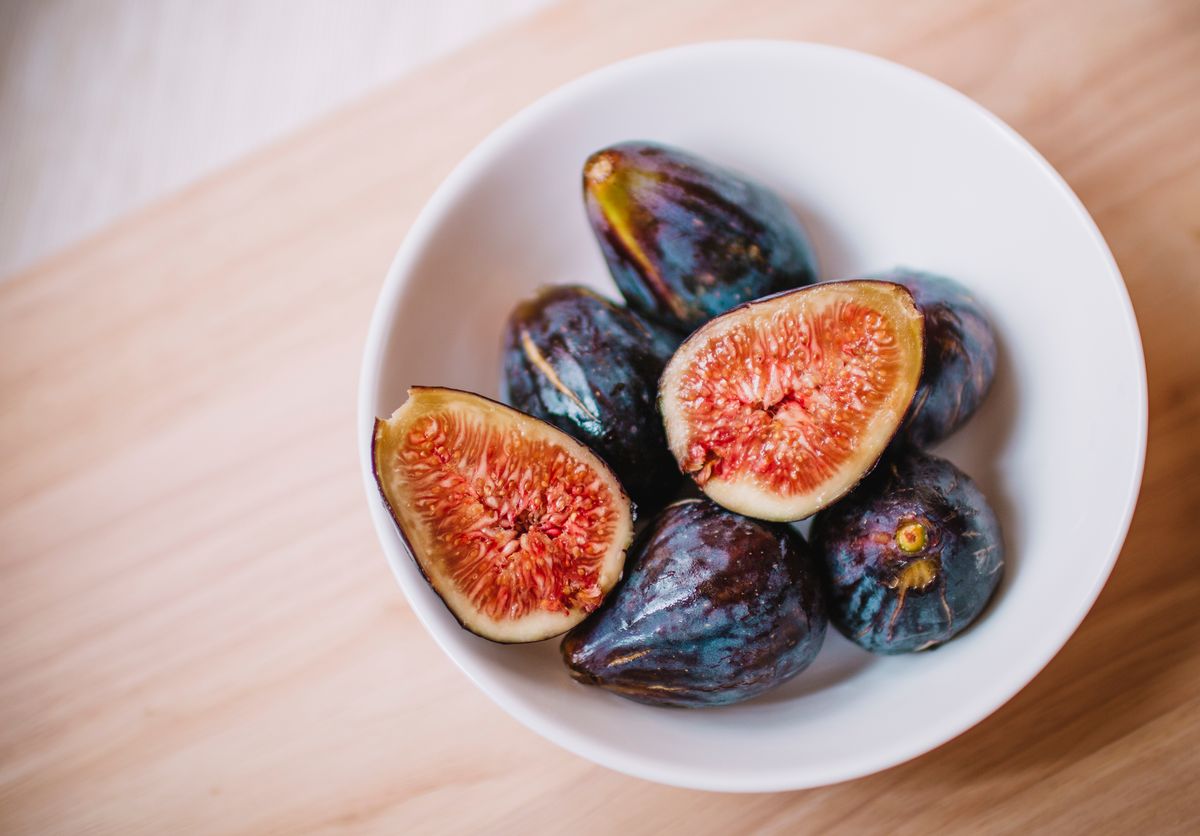
Anjeer is a sweet food, not a low-calorie one — and the numbers make that plain. The table below uses the USDA food database figures as reported by Medical News Today and Nutriveda, both of which cite the same USDA entries (Figs, raw, FDC ID 173021; Figs, dried, uncooked, FDC ID 174665).
| Nutrient (per 100g) | Fresh figs | Dried figs |
|---|---|---|
| Energy | 74 kcal | 249 kcal |
| Protein | 0.75g | 3.3g |
| Fat | 0.3g | 0.92g |
| Dietary fibre | 2.9g | 9.8g |
| Sugar | 16.26g | 47.9g |
| Calcium | 35 mg | 162 mg |
| Iron | 0.37 mg | 2.03 mg |
| Potassium | 232 mg | 680 mg |
| Magnesium | 17 mg | 68 mg |
Source: USDA FoodData Central, via Medical News Today (“Figs: Benefits, side effects, and nutrition”) and Nutriveda (“Figs: Nutrition, Fibre and Calcium, Fresh vs Dried”).
Three figs — about 25g — give you about 63 calories, 2.5g of fibre, 41 mg of calcium and 171 mg of potassium. That is the portion to keep in mind through the rest of this guide, because almost every claim about anjeer is true at three figs and false at thirty. The fibre is the headline nutrient: 9.8g per 100g is among the highest of any commonly eaten dried fruit, and it is split between soluble fibre (pectin, which feeds gut bacteria) and insoluble fibre (which adds bulk). The calcium is the quiet surprise: 162 mg per 100g is more calcium than most fruits carry, and it is useful for people who eat little dairy — though it is a helper, not a replacement for milk, since an adult needs about 1,000 mg of calcium a day. The sugar is the catch: nearly 48g per 100g means dried figs are about half sugar by weight, mostly glucose and fructose.
Anjeer benefits: what is proven and what is not
Anjeer has been eaten as a health food for centuries, and the internet is full of claims about it — some true, some stretched, some invented. Here is the balanced version, with sources named. We are not doctors, and this guide makes no medical claims: the findings below are the published sources’, not ours.
What the evidence supports
- Digestion and constipation: the strongest case. Dried figs are genuinely high in fibre — about 10g per 100g — and fibre adds bulk to stool, holds water and helps move things through the gut. A clinical trial of fig paste found it improved constipation and sped up gut transit, as reported by MyHealthcare’s fig review. Soaked anjeer in the morning is a popular home remedy in Pakistan for exactly this reason, and the fibre figures support it. Drink enough water with it: fibre without water can make constipation worse, not better.
- Bone-relevant minerals: dried figs give 162 mg of calcium and 68 mg of magnesium per 100g, plus potassium at 680 mg. Those are meaningful amounts for a fruit, and they support bone health as part of a balanced diet. They do not replace dairy, and no single food builds bones on its own — but as a small daily helper, anjeer earns its place.
- Iron and energy: dried figs carry 2.03 mg of iron per 100g — about five times the iron of fresh figs — and natural fruit sugars with fibre, which makes them a better sweet snack than processed sweets. They are not a treatment for anaemia, and the iron is plant iron, which the body absorbs less easily than the iron in meat. Eating them with vitamin C — a squeeze of lemon, or an orange — helps absorption.
- Antioxidants: figs contain polyphenols, including gallic acid, catechins and chlorogenic acid, and dried figs show strong antioxidant activity in lab tests. A 2023 review of the literature from 2000 to 2022 found regular fig intake associated with higher overall diet quality and potential benefits for heart health, digestion and blood sugar. That is an association, not proof of a cure — and the review itself notes that dark-skinned fig varieties carry the most of these compounds.
What is not proven
- Blood sugar control: not proven. Medical News Today cites one small 2023 study in which figs were reported to lower blood sugar by 13.5 percent after two months of treatment — but that was a study of medicinal plants, not a large human trial of eating figs, and Medical News Today is clear that many fig benefits rest on animal studies with limited evidence from large human randomised trials. Dried figs are half sugar by weight. Anyone with diabetes should treat them as a sweet food, in small amounts, and ask their doctor first.
- Weight loss: not proven. Three figs a day can help you feel full, because of the fibre — but a hundred grams of dried figs is 249 calories, and a handful too many wipes out the benefit. Anjeer supports a healthy diet; it does not cause weight loss on its own.
- Heart disease, cancer and skin cures: not proven. Some researchers believe figs have antioxidant, anti-inflammatory and cell-protective properties, and Medical News Today lists those as research directions — but they are based largely on animal and lab studies. No human trial shows that eating anjeer prevents heart disease or cancer. Any seller or site that promises those things is selling a story, not a result.
The honest summary: anjeer is a genuinely fibre-rich, mineral-rich dried fruit, and it helps digestion more than almost any other dried fruit at the same price. It is also a sweet, calorie-dense food that must be eaten in small portions. Both of those things are true at the same time, and any guide that tells you only one of them is not being honest with you.
Anjeer side effects and precautions
Anjeer is a food, not a medicine — and like any food, it has a wrong way to eat it. The side effects are not dramatic, but they are real, and they all come from the same cause: eating too much of a sweet, fibre-rich fruit at once.
Eating too many figs
The most common problem is simple overeating. Because dried figs are high in fibre, eating too many — especially dried figs — can cause diarrhoea, bloating and stomach cramps, as Medical News Today notes. The fix is portion, not avoidance: 2 to 3 figs a day is a good amount for most adults, and that is the amount Dry Fruits Mart itself recommends. If you are new to anjeer, start with one or two a day and build up slowly, with plenty of water.
Sugar and diabetes
Dried figs are about half sugar by weight — 47.9g per 100g — so people with diabetes should eat them only in small amounts and check with their doctor first. The sugar is natural fruit sugar, not added sugar, but your blood sugar does not make that distinction. Soaked anjeer is not “sugar-free” anjeer: soaking changes the texture, not the sugar. Fresh figs are the gentler choice for blood sugar, at about a third of the sugar per 100g, but they are seasonal and hard to find.
Allergies
Fig allergy is uncommon, but it exists. People who are allergic to latex or to other fruits in the mulberry family should be careful the first time they eat figs, because fig sap contains latex-like proteins and cross-reactions are possible. If you feel itching, swelling of the lips or tongue, or difficulty breathing after eating figs, stop at once and seek help. That is rare — but it is worth knowing before you hand a child their first fig.
Oxalates and kidney stones
Figs contain oxalates, natural compounds that can add to kidney-stone risk in people who already form calcium-oxalate stones. A few figs a day is not a problem for most people, but if you have a history of kidney stones, ask your doctor how much dried fruit suits you. This is a caution, not a ban — and it applies to many healthy foods, including spinach and nuts.
Figs and medicines
Figs are rich in vitamin K, which helps blood clot, and they carry potassium, which matters for blood pressure. If you take blood-thinning medicine or blood-pressure medicine, a sudden large change in how many figs you eat could matter — not because figs are dangerous, but because consistency matters with those medicines. Keep your daily amount steady, and tell your doctor if you plan to start eating anjeer every day.
Honest note: most of the strong health claims about figs come from animal studies or small trials, not from large human trials — Medical News Today says so plainly. That does not make anjeer unhealthy. It means the honest claims are the modest ones: fibre, minerals, and a better sweet snack than processed sweets. Treat any site that promises cures from anjeer with the same care you would treat a seller promising a miracle price.
Who should buy anjeer — and who should avoid it
Buy it if you want a fibre-rich winter snack and eat two or three figs a day; soak figs overnight for digestion and want a natural, food-based routine; make panjiri, kheer or halwa and need a sweet, chewy ingredient; need a gift for elders, guests or Eid and want something traditional and respected; or want a healthier sweet than biscuits and mithai for your children’s lunchbox. Think twice — or ask a doctor first — if you have diabetes or blood-sugar problems (dried figs are half sugar by weight); have a latex allergy or a fig allergy; have a history of kidney stones (figs contain oxalates); take blood-thinning or blood-pressure medicine and plan a big daily change; or expect anjeer to cure constipation, anaemia, diabetes or any other condition on its own (it helps as part of a balanced diet — it is not a treatment).
How to eat anjeer: soaking, milk, snacks and desserts
Anjeer is one of the easiest dry fruits to use, because it needs no cooking and no preparation beyond a wash and, if you like, an overnight soak. Here is how Pakistani homes actually eat it.
Soaked anjeer: the morning routine
- Take 2 to 3 dried figs, rinse them, and soak them in a cup of water overnight — about 8 hours.
- In the morning, eat the softened figs on an empty stomach and drink the soaking water too. That is the classic routine for digestion, and it is the one Dry Fruits Mart recommends.
- Soaking makes the figs softer and easier to chew and digest. The nutrition stays about the same — soaking does not remove the sugar, so the portion still matters.
- If you forget to soak them, a 30-minute soak in warm water softens them enough to eat comfortably.
Anjeer milk: the winter drink
- Blend 2 to 3 soaked figs into a glass of warm milk for a classic winter drink for children and elders. Add a pinch of elaichi if you like.
- Do not add extra sugar — the figs sweeten the milk on their own. A glass of anjeer milk is a snack, not a drink to have three times a day.
- For a richer version, blend the figs with a few badam as well — but count the calories: milk, figs and almonds together make a small meal.
Snacks, panjiri and desserts
- As a snack, eat a few figs on their own or with walnuts and almonds. A small handful — 3 figs and a few nuts — is a sensible portion. The whole bag is not.
- For panjiri, chop the figs small and mix them in with the roasted atta, ghee and nuts. Our moringa powder guide covers another winter-health ingredient if you are building a winter pantry.
- For desserts, chop dried figs into kheer, halwa, cakes, oatmeal and yoghurt. They bring fibre and minerals that plain sugar does not, and they let you cut the added sugar in the recipe.
- For salads, slice fresh figs over greens with a little lemon — but only in season, when fresh figs are available.
How to choose good anjeer: the 10-point check
Use this list every time you buy — it takes two minutes and catches most bad figs.
- Check the variety name: the pack should say Afghani, Turkish, Irani, Brown or Classic — not just “anjeer”. A price without a variety name cannot be compared.
- Look at the colour: good dried figs are golden-brown to dark brown, even in colour. Very pale figs may be under-dried; blackened figs may be old.
- Press one fig: it should feel soft and slightly springy, not hard as a stone and not mushy. Hard figs are over-dried; mushy figs may be damp and close to spoiling.
- Smell the pack: good anjeer smells sweet and faintly honeyed. A sour, sharp or musty smell means it has gone off — do not buy it.
- Look for the white powder: a light white coating is usually natural fruit sugar coming to the surface as the figs dry — not mould. Fuzzy spots, green patches or a bad smell are mould, and those figs should not be eaten. The storage section below explains the difference.
- Check for stones and stems: a few small stems are normal. Grit, stones or a lot of broken pieces in the pack are a sign of poor grading.
- Work out the per-100g price: divide the price by the grams and multiply by 100. Under Rs 400 per 100g is fair value for everyday anjeer right now.
- Buy the size you will finish: a 1kg pack is the best value per 100g at some sellers and no saving at others. A small household should buy 250g or 500g and finish it fresh, not a kilo that sits open for months.
- Prefer a sealed pack from a known seller: buy from a dry fruit store you trust, keep the receipt, and check the return policy — Khan Dry Fruits offers a 7-day return, and Dry Fruits Mart replaces or refunds damaged orders if you tell them within 3 days.
- Taste before you buy the kilo: if you are buying loose from a mandi, taste one fig first. It should be sweet, chewy and clean-tasting — not sour, not gritty, and not tasting of chemicals.
How to store anjeer (and the white powder question)
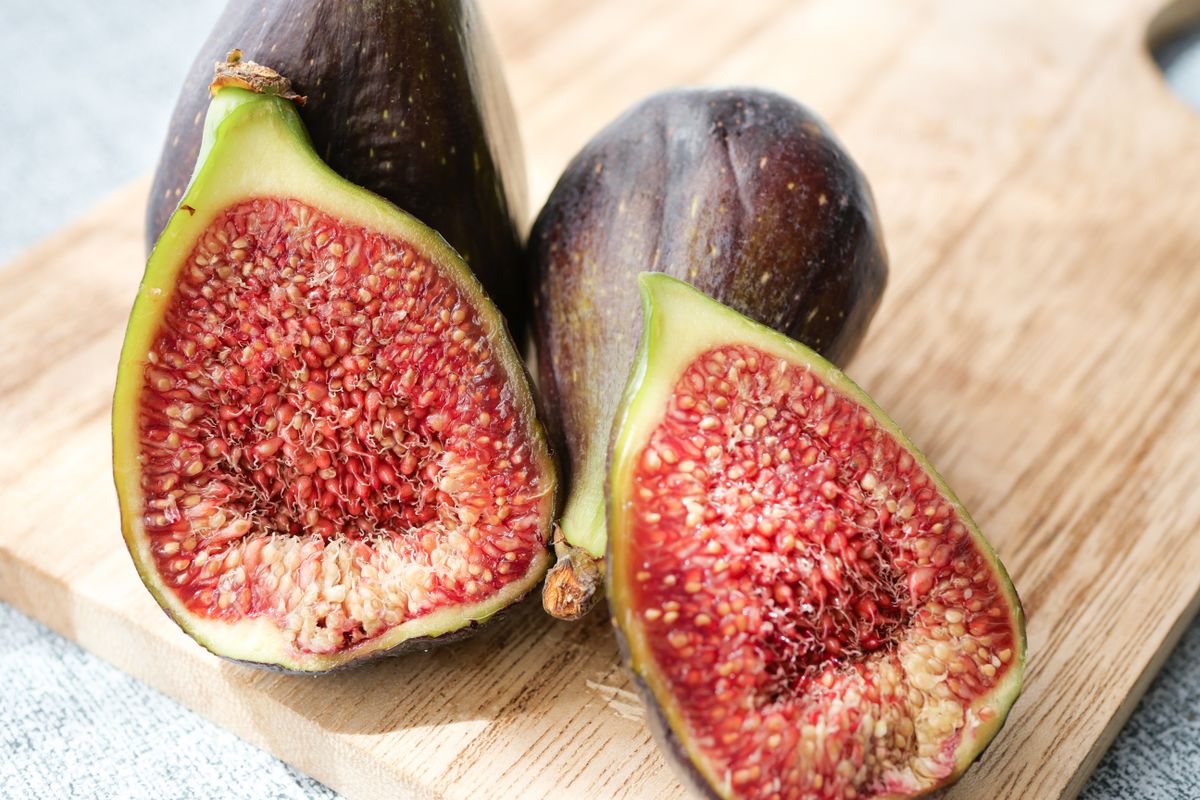
Anjeer keeps well, but only if you store it right. Keep it in an airtight container in a cool, dry place away from sunlight, where it stays good for a few months. For longer storage, keep it in the fridge. Keep figs away from moisture, which causes mould — and never store them in an open bowl in a damp kitchen.
The question every buyer asks is about the white powder. A light white coating on dried figs is usually natural fruit sugar that comes to the surface as the figs dry — it is called sugar bloom, it is harmless, and it wipes off. Fuzzy spots, green or black patches, or a sour smell are a different thing: that is mould, and those figs should not be eaten. The test is simple: sugar bloom looks like a fine, even dust and has no smell; mould looks fuzzy or spotty and smells bad. When in doubt, throw the fig away — a Rs 30 fig is not worth a stomach infection.
One more storage tip: if your figs go hard in winter, soak them before eating rather than throwing them away. Hard does not mean spoiled — it usually means dry. A night in water brings them back. But if they smell sour or taste fermented, they are gone, and no amount of soaking fixes that.
City-wise prices: Lahore, Karachi, Islamabad, Sargodha
Online prices are broadly the same across Pakistan — a 250g pack of Afghani anjeer costs Rs 1,300 at Dry Fruits Mart whether you order from Lahore or Sargodha. What changes by city is delivery, the offline market, and which sellers serve you. The notes below are indicative, not source-verified shelf prices — check before buying, because no seller publishes a city-wise price list for the same pack.
- Lahore: the best-served city for dry fruit. Akbari Mandi is the wholesale heart of the trade, and the city’s dry fruit shops in Liberty, Anarkali and Model Town sell every variety in this guide. Online, all four sellers in this guide deliver to Lahore, and Dry Fruits Mart’s 2-to-4-day delivery applies here too. Loose anjeer at Akbari Mandi can be cheaper than a sealed online pack — but weigh it yourself and taste one fig first.
- Karachi: Empress Market and the wholesale markets in Saddar sell loose anjeer by weight, and the city’s big supermarkets stock sealed packs of the same varieties. Online sellers deliver to Karachi with cash on delivery, though delivery can take a day longer than to Lahore. Karachi’s humidity is a storage warning: keep your figs airtight and dry, because damp air brings mould faster here than anywhere else in Pakistan.
- Islamabad: the supermarkets in F-6, F-7 and Blue Area stock sealed anjeer packs, and all four online sellers deliver to Islamabad and Rawalpindi. Khan Dry Fruits lists Islamabad among its 47+ cash-on-delivery cities. Prices in Islamabad’s supermarkets run a little higher than the online prices in this guide — usually Rs 50 to Rs 100 more on a 250g pack — because of transport and smaller volumes.
- Sargodha and smaller cities: online ordering with cash on delivery is the practical route — all four sellers in this guide deliver nationwide, and Khan Dry Fruits explicitly lists Sargodha’s neighbouring cities among its COD towns. Small-city karyana shops may stock only one or two varieties, often without a variety name on the pack, so ask which kind it is before you pay. Compare the per-100g rate, and keep the receipt.
Cost breakdown: what a month of anjeer really costs
The pack price is not the real cost. The real cost is what you eat in a month. Three dried figs a day — about 25g — is the portion this guide recommends, and it adds up to about 750g a month. That figure is simple arithmetic from the portion, not a survey: your own use may be higher or lower, and the honest way to know is to weigh what you actually eat for a week.
Monthly cost at 3 figs (25g) a day
| Anjeer (per-100g price) | Cost per day (25g) | Cost per month (750g) |
|---|---|---|
| Ibex Afghani (Rs 320 per 100g) | Rs 80 | Rs 2,400 |
| Brown (Rs 340 per 100g) | Rs 85 | Rs 2,550 |
| Khan Medium (Rs 342 per 100g) | Rs 86 | Rs 2,565 |
| Classic (Rs 360 per 100g) | Rs 90 | Rs 2,700 |
| Dry Fruits Mart Afghani (Rs 520 per 100g) | Rs 130 | Rs 3,900 |
| Turkish (Rs 650 per 100g) | Rs 163 | Rs 4,875 |
| Irani (Rs 790 per 100g) | Rs 198 | Rs 5,925 |
Two lessons follow. First, a month of everyday anjeer costs Rs 2,400 to Rs 2,700 — about Rs 80 to Rs 90 a day — which is less than a cup of doodh patti from a dhaba. Second, the variety gap is worth Rs 3,000 a month: the same three figs a day cost Rs 2,550 on Brown anjeer and Rs 5,925 on Irani anjeer. Over a winter season of four months, that gap is about Rs 13,500. If you eat anjeer every day, buy the everyday variety for your daily portion and keep the premium figs for guests. And the per-fig cost is worth knowing too: at about 12 figs per 100g, one fig costs about Rs 27 on Brown anjeer, about Rs 42 on Afghani, and about Rs 63 on Irani — those are estimates from the average fig weight, not weighed counts, but they make the choice concrete.
Delivery matters too. Dry Fruits Mart gives free delivery on orders above Rs 10,000, and 4 percent off with JazzCash and Easypaisa — so a 1kg pack of Irani anjeer at Rs 7,900 still pays delivery, while a 1kg pack of Brown at Rs 3,400 plus a kilo of something else can cross the free-delivery line. Khan Dry Fruits delivers cash on delivery in 47+ cities. Always check the delivery charge before you compare: a Rs 800 pack with Rs 250 delivery costs Rs 1,050 landed, which is dearer per 100g than a Rs 950 pack with free delivery.
Anjeer vs kishmish vs dates: which dried fruit is better value?
Anjeer is not the only sweet dried fruit in a Pakistani winter pantry. Kishmish (raisins) and khajoor (dates) sit on the same shelf, and they are worth comparing — on price, on fibre, and on sugar — before you spend your winter budget on one of them.
| Anjeer (dried figs) | Kishmish (raisins) | Khajoor (dates) | |
|---|---|---|---|
| Price per 100g (verified) | Rs 320–Rs 920 | See our kishmish guide | Varies by variety |
| Fibre per 100g | 9.8g — highest of the three | About 3.7g | About 8g |
| Sugar per 100g | 47.9g | About 59g | About 63g |
| Calcium per 100g | 162 mg — highest of the three | About 50 mg | About 64 mg |
| Calories per 100g | 249 kcal | About 299 kcal | About 282 kcal |
| Best for | Digestion, soaking, milk | Panjiri, baking, snacking | Energy, Ramadan, gifting |
| Daily portion | 2–3 figs (25g) | A small handful (30g) | 2–3 dates (25g) |
Kishmish and date figures are standard USDA values; the anjeer figures are the USDA values cited in this guide. See our kishmish price guide for verified kishmish prices.
On fibre and calcium, anjeer wins clearly: 9.8g of fibre and 162 mg of calcium per 100g, against about 3.7g of fibre and 50 mg of calcium in kishmish. On sugar, anjeer is the lightest of the three — 47.9g against about 59g in kishmish and about 63g in dates — though “lightest” still means half sugar by weight. On price, kishmish is usually the cheapest of the three per 100g, which is why panjiri uses more kishmish than anjeer. The honest answer is that no one dried fruit wins everything: anjeer for fibre and digestion, dates for quick energy and Ramadan, kishmish for everyday sweetness at the lowest price. A winter pantry with a little of each beats a kilo of any one of them.
12.12 buying checklist
The 12.12 sale is on 12 December 2026. Dry fruit is a winter essential, so a sale can save real money on a 1kg pack — but only if the discount is real.
- Shortlist now. Pick two options (for example, Brown 1kg at Rs 3,400 and Khan Medium 1kg at Rs 3,420) and note their prices today.
- Watch the “was” price. If a seller raises the price before 12.12 and then “discounts” it back, you save nothing. Your notes from today are your protection.
- Buy the size you will finish. A 1kg pack bought on discount is good value only if your family eats it before it goes stale. A small household should buy 500g, even on sale.
- Check the delivery charge. A discount that is eaten by delivery is not a discount. Compare the landed price, not the sticker price.
- Check the variety on the sale listing. A “50% off anjeer” banner means nothing if the sale pack is a smaller grade than the one in this guide. Compare the variety name, the weight and the per-100g price.
- Pay by cash on delivery if you are unsure. COD lets you check the figs — colour, softness, smell — before paying. All four sellers in this guide offer COD.
Looking for seeds and nutrition for your kitchen?
BaBaShop does not sell anjeer — but our chia seeds, flax seeds and other Seeds and Nutrition essentials are made for Pakistani kitchens, with cash on delivery across Pakistan.
Questions? WhatsApp us at 0302-4096495.
Related BaBaShop guides
If this guide helped, these ones will too.
- Kishmish Price in Pakistan
- Moringa Powder Price in Pakistan
- Black Cumin Seeds in Urdu
- Castor Oil Price in Pakistan
- Chia Seeds — BaBaShop.pk
- Golden Flax Seeds — BaBaShop.pk
Methodology: how we checked these prices
We checked live seller pages on 27 and 28 November 2026 and recorded the price shown on the page that day. The main table comes from Dry Fruits Mart’s anjeer collection page, whose prices are updated automatically from the store and were dated 27 November 2026 — we read that page directly. The second table comes from Khan Dry Fruits’ product pages (prices as of October 2026, pages updated 27 November 2026), Ibex Dry Fruits’ product pages, and Organic and Pure’s product pages. The 1kg table repeats those same verified prices in one place, sorted by price, plus Khan’s Turkish 1kg price of Rs 8,280 from its own product page. Per-100g figures are our own arithmetic, rounded to the nearest rupee. Monthly costs are arithmetic from the recommended portion of 3 figs (about 25g) a day, and per-fig costs are estimates from the average of about 12 dried figs per 100g. We did not phone sellers for quotes, and we did not copy prices from other buying guides — except for the Daraz budget figure (Rs 564 for 250g), which is reported by Dry Fruits Mart and flagged as reported, not directly verified, and the Bombay Dry Fruits 1kg ranges, which are flagged as ranges, not exact prices.
About the keyword itself: “anjeer price in pakistan” gets about 1,600 searches a month in Pakistan with a keyword difficulty of 7 (Semrush Pakistan database, 27 November 2026 run). That meets BaBaShop’s usual 1,000+ monthly volume rule — this is a genuine high-volume keyword, not a niche guide. The family keywords are covered as sections above: “anjeer rate in pakistan” (170 a month, KD 7) in the second price table, and “fresh anjeer price in pakistan” (40 a month, KD 6) in the fresh anjeer and fresh-vs-dried sections.
What we could not verify: any Daraz anjeer price directly (the Daraz search page loads no product listings or prices in a text fetch, so no Daraz price could be read by us); a fresh-fig retail price anywhere online (no fresh-fig listing with a price was found on any seller we checked); a mandi/loose anjeer rate (no mandi publishes a daily anjeer rate online); a city-wise shelf price for the same pack (no seller publishes one); organic certification for any local seller’s figs; lab-tested composition for any seller’s own figs; and an aggregated buyer-review set (none found for any seller). All of these were left out or flagged rather than guessed.
What we have not tested: we have not bought, eaten or lab-tested any of these figs. We do not sell anjeer, we have no lab results, and the prices are the sellers’ own listed prices — not our recommendation of any one seller. No expert reviewed this draft — we cite Medical News Today, Nutriveda and the USDA figures by name and link instead. No author photo is available for “BaBaShop.pk Team”.
Sources used for health and research claims: Medical News Today — “Figs: Benefits, side effects, and nutrition” (USDA nutrition table for raw and dried figs; fibre and digestion; diarrhoea from overeating; animal-study limits; 2023 blood-sugar study note). Nutriveda — “Figs: Nutrition, Fibre and Calcium, Fresh vs Dried” (USDA FoodData Central figures, FDC IDs 173021 and 174665, checked 5 November 2026; EFSA fibre guidance; NIH calcium guidance). Price sources: Dry Fruits Mart — Anjeer (Dried Figs) Price in Pakistan, Khan Dry Fruits — Anjeer Ke Fawaid (2026 Guide), Ibex Dry Fruits — Anjeer, Organic and Pure — Dried Figs (Anjeer) 250g Jumbo.
About BaBaShop: BaBaShop.pk is an online store in Sargodha (Shop No: 85, General Bus Stand, Jinnah Colony). Delivery on our own products is weight-based at Rs 200 per 0.5 kg slab. Cash on delivery is available across Pakistan, and Raast online payment gets Rs 50 off.
FAQs: anjeer price in Pakistan
What is the anjeer price in Pakistan?
Dried anjeer costs Rs 320 to Rs 920 per 100g from Pakistani online sellers. A 250g pack costs Rs 800 to Rs 2,300, a 500g pack Rs 1,700 to Rs 4,370, and a 1kg pack Rs 3,400 to Rs 8,280. Everyday anjeer costs about Rs 3,400 to Rs 3,500 a kilo; premium Turkish and Irani anjeer costs Rs 6,500 to Rs 8,280 a kilo.
What is the anjeer 1kg price in Pakistan?
A 1kg pack of anjeer costs Rs 3,400 to Rs 8,280, verified 27–28 November 2026. The cheapest 1kg packs are Brown anjeer at Rs 3,400, Khan Medium-Size at Rs 3,420 and Ibex Afghani at Rs 3,500. The dearest are Irani at Rs 7,900, Organic and Pure Iranian Gol at Rs 8,000 and Khan Turkish at Rs 8,280.
What is the anjeer rate in Pakistan?
The anjeer rate in Pakistan depends on the variety: Brown anjeer is Rs 340 per 100g, Classic Rs 360 to Rs 400, Afghani Rs 320 to Rs 520, Turkish Rs 650 to Rs 920, Syrian Rs 720 and Irani Rs 790 to Rs 840 per 100g. The same variety can cost different amounts at different sellers, so always compare the per-100g rate before you buy.
What is the fresh anjeer price in Pakistan?
No fresh-fig retail price could be verified online in Pakistan on 27–28 November 2026. Fresh figs are seasonal, spoil within days and are sold in fruit mandis at a daily rate that is not published online. The online dry fruit stores in this guide sell dried anjeer only. Fresh figs are the lighter food at about 74 calories per 100g, against about 249 for dried figs.
Which anjeer is best in Pakistan?
It depends on your use. For everyday eating, Brown or Classic anjeer at Rs 340 to Rs 360 per 100g gives the best value, and Afghani anjeer is the richest everyday fig. For guests and gifts, Turkish anjeer is large and honey-sweet, and Irani anjeer is the softest. We have not lab-tested any of these figs, so pick by price, variety and the label check in this guide.
How many anjeer should I eat a day?
Two to three dried figs a day is a good amount for most adults — about 25g, 63 calories and 2.5g of fibre. Many people soak them overnight and eat them in the morning. Eating too many dried figs can cause diarrhoea and bloating, so start with one or two a day if you are new to anjeer, and drink enough water with them.
Is anjeer good for diabetes?
Anjeer is not a diabetes treatment. Dried figs are about half sugar by weight, so people with diabetes should eat them only in small amounts and ask their doctor first. Fresh figs are gentler on blood sugar at about a third of the sugar per 100g, but they are seasonal. The evidence for figs and blood sugar is limited to small studies, not large human trials.
Does BaBaShop sell anjeer?
No. BaBaShop does not sell anjeer. This is a price and buying guide only. Our chia seeds and golden flax seeds are available with cash on delivery across Pakistan. WhatsApp us at 0302-4096495.
Conclusion: anjeer price in Pakistan
The anjeer price in Pakistan comes down to three numbers. A 250g pack of dried anjeer costs Rs 800 to Rs 2,300. A 1kg pack costs Rs 3,400 to Rs 8,280. And three figs a day — the portion this guide recommends — costs Rs 80 to Rs 90 a day on everyday anjeer, or about Rs 2,400 to Rs 2,700 a month.
Buy the 250g Ibex Afghani pack first if you are trying anjeer for the first time, then move to the pack that fits your household: a 1kg Brown or Khan Medium pack for daily soaking and milk, a 500g Turkish or Irani pack for guests and gifts. Check the variety name, the weight and the per-100g price before you compare — and never pay a premium price for a pack that does not name its variety. And before the 12.12 sale, write down today’s prices for your two shortlisted packs. That one habit is worth more than any discount banner.
If you want seeds and nutrition from a shop that states its prices plainly, BaBaShop’s golden flax seeds are here: babashop.pk/product/golden-flax-seeds/.
Transparency note: BaBaShop does not sell anjeer. All prices are market prices from the sellers’ own live pages, checked on 27–28 November 2026. Prices can change — confirm on the seller’s page before you pay. This guide contains no affiliate links. The keyword “anjeer price in pakistan” gets about 1,600 searches a month in Pakistan (KD 7), which meets our usual 1,000+ volume rule — see the methodology section above.
Written by BaBaShop.pk Team, Sargodha — Shop No: 85, General Bus Stand, Jinnah Colony. WhatsApp: 0302-4096495. Updated: 28 November 2026.