
How to Use a Rat Glue Pad Correctly: Placement, Bait and the Mistakes That Let Rats Escape

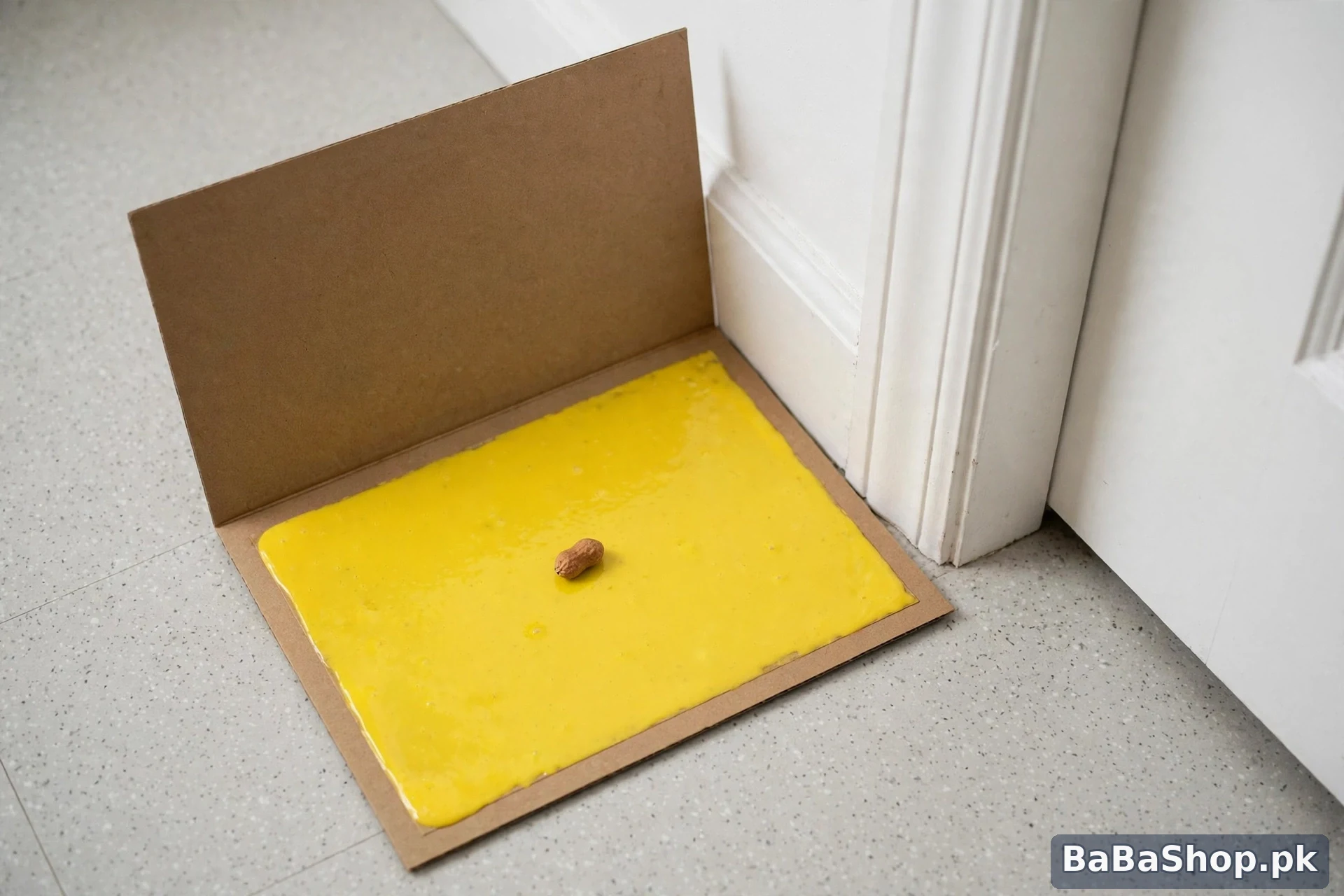
Knowing how to use glue trap for rats correctly is the difference between catching the rat on the first night and giving up after a week. The pad itself is simple — a board with very strong glue — but rats are clever, cautious animals. This step-by-step guide covers opening the pad, choosing the exact spot, the right bait, and the common mistakes that let rats escape. Follow it for your kitchen, store room, shop or godown and you will get the best out of every pad.
What You Need Before You Start
- One or more glue pads (for a normal home, 2–3 pads on different routes work better than one)
- A small piece of bait: peanut, walnut, biscuit, or a pea-sized bit of roti dipped in oil
- Gloves or a plastic bag for handling the used pad
- Five minutes of observation: where have you seen droppings or gnaw marks?
Step 1: Open the Pad the Right Way
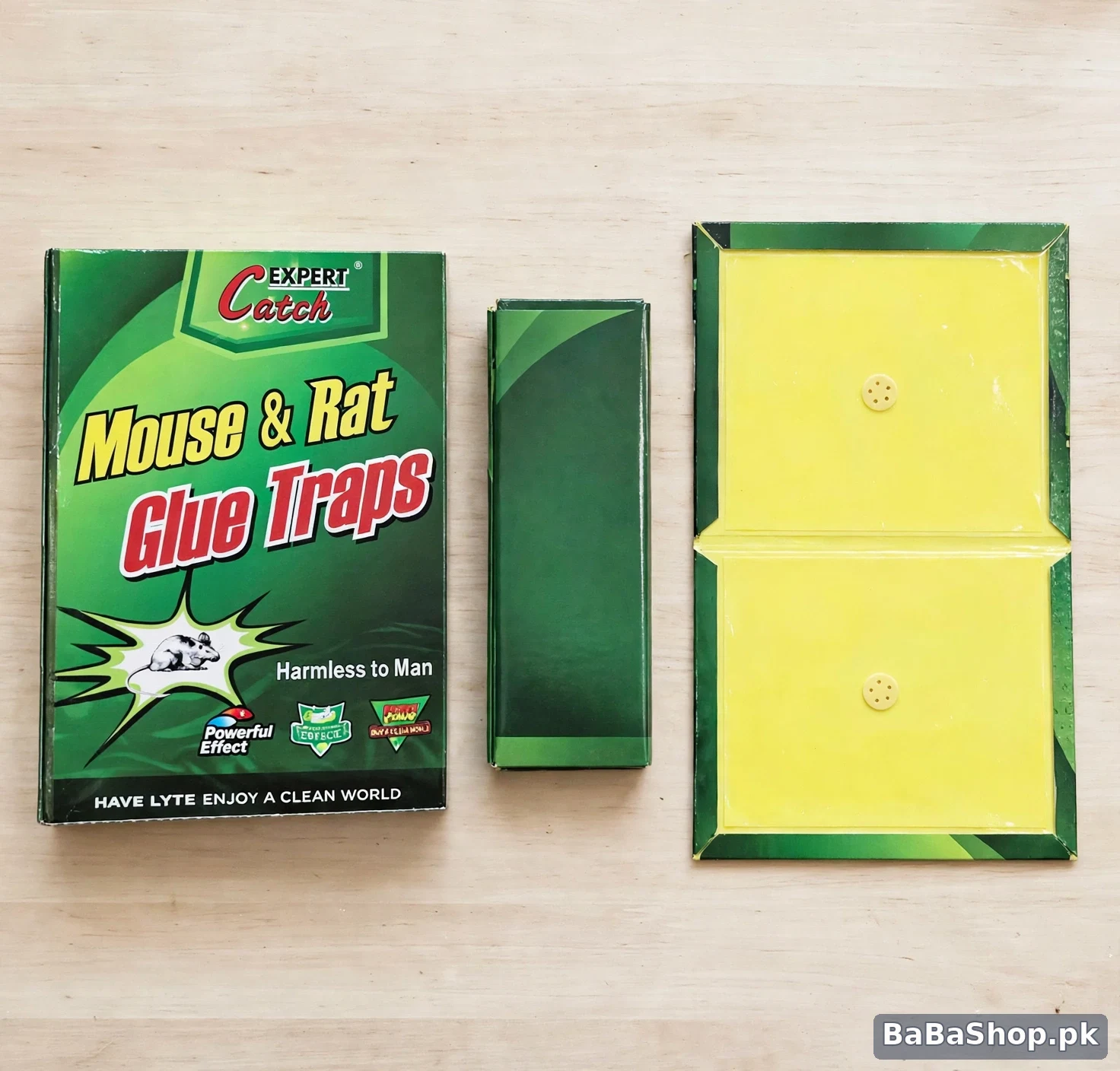
Open the board slowly, like opening a book, and lay it flat. Do not touch the glue with your fingers — human scent and skin oil weaken the sticky surface, and the glue is genuinely hard to wash off. Handle the pad only by its edges or the folded corners. The Magic Pad rat glue pad opens into a large board so a full-grown rat lands on it completely, which is what stops it escaping.
You can use the board fully flat, or fold it into an L-shape/tunnel along a wall corner. Against a corner or under a shelf, the folded shape works well because rats love running through covered passages.
Step 2: Placement — the Step That Decides Everything
Rats do not cross open floors. They run along walls, behind the fridge and stove, under kitchen cabinets, beside pipes and through door corners. So the pad must sit:
- Flat against a wall, on a known route — the rat should meet the pad while doing its normal nightly round.
- Behind or beside appliances in the kitchen: fridge, stove, washing machine.
- Near entry holes — beside the pipe gap or door corner where they enter.
- On a dry, clean surface. Dust, flour and water kill glue strength quickly, so sweep the spot first.
Never place a pad in the middle of a room and expect results. Also keep pads away from places where children play or pets walk freely.
Step 3: Bait — Less Than You Think
Put one tiny piece of bait in the exact centre of the pad. Peanut works best because of its strong smell; biscuit, chocolate or oily roti also work. The piece should be small — if it is big, the rat may snatch it from the edge without stepping fully onto the glue. With a small central piece, the rat must walk onto the pad to reach it. Do not scatter food around the pad; the rat should have only one reason to step forward.
Step 4: How Many Pads, and How Far Apart?
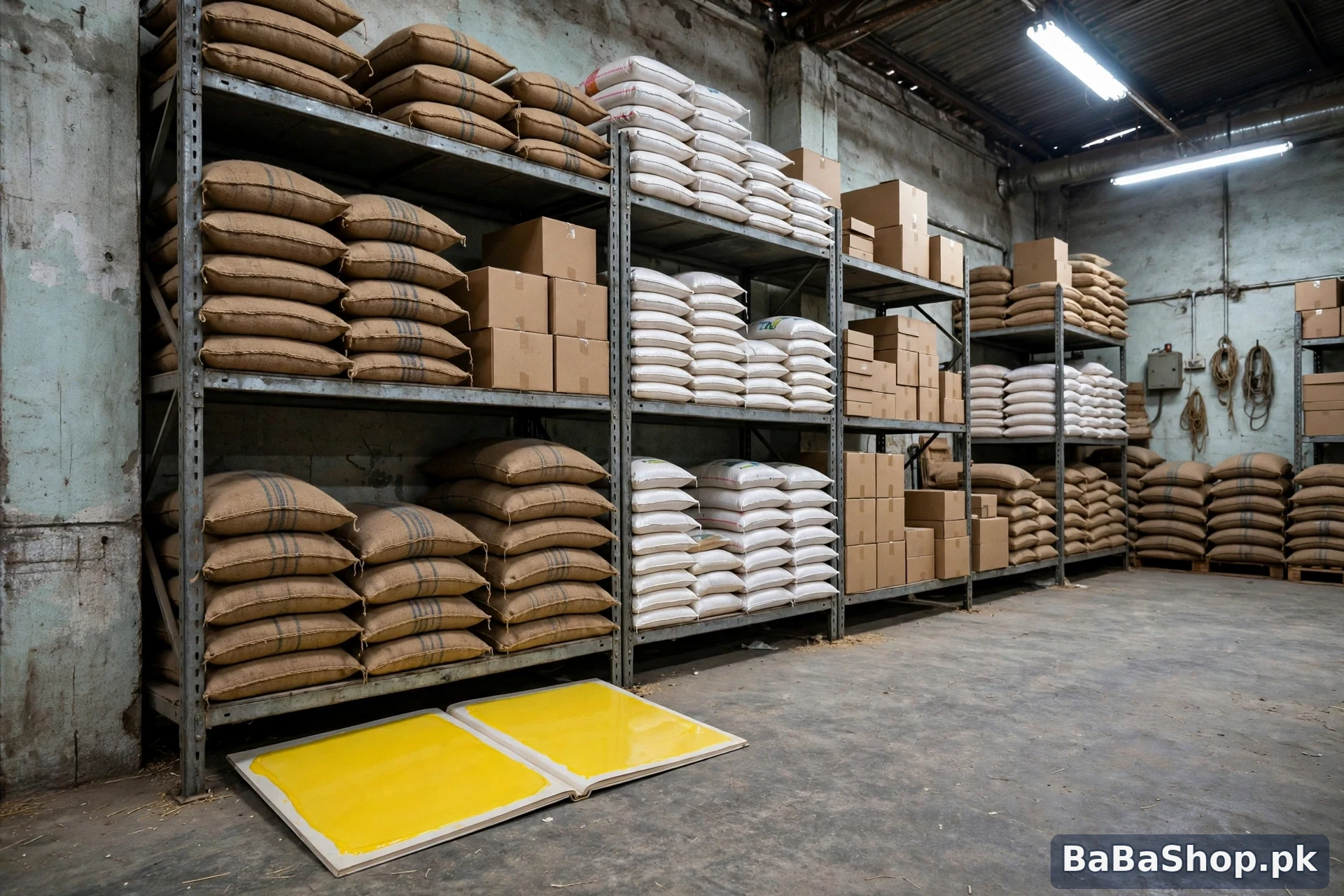
For one active kitchen route, two pads placed 2–3 feet apart on the same wall double your chances. For shops and godowns, place pads along the walls every few metres where stock is stored. It is more economical than it sounds: at BaBaShop.pk a pack of 3 pads is Rs 899, 4 pads Rs 999 and 5 pads Rs 1,099, with Cash on Delivery anywhere in Pakistan — so a full house usually costs less than one visit from a fumigation service.
The 7 Mistakes That Let Rats Escape
- Touching the glue while opening the pad — always handle edges only.
- Placing the pad in open space instead of against a wall.
- A wet or dusty spot — the pad loses power within days.
- Too much bait, letting the rat feed from the side.
- One pad for a big problem — heavy infestation needs several pads on several routes.
- Leaving the pad unchecked for days — check every morning; a caught rat left long is unhygienic.
- Placing it where kids or pets step — choose covered, out-of-the-way spots; if a pet still gets stuck, cooking oil releases the glue gently.
After the Catch: Safe Disposal
Fold the pad glue-side inward, drop it into a plastic bag, tie it and put it in the outside dustbin. Do not reuse a pad that has caught a rat. Wash your hands with soap after handling. If a pad has caught nothing after four or five nights, do not throw it away — just move it to a different wall or corner and try again.
Conclusion
A glue pad is a simple tool, but rats reward careful users: clean dry floor, tight against the wall, tiny bait in the centre, checked every morning. Combine this method with the food and sealing steps in our guide on how to catch rats in the house without poison and results come fast. For larger spaces, see also our guide on getting rid of rats in the kitchen and godown. Ready to start? You can order the Magic Pad glue trap today, or message us on WhatsApp at 0092-302-4096495.
Frequently Asked Questions
Q: Where is the single best place for a glue pad?
A: Flat against the wall behind the fridge or stove in the kitchen — rats pass these warm, hidden spots almost every night.
Q: Should I fold the pad or keep it flat?
A: Both work. Flat gives the biggest catching area; folded into a tunnel shape suits corners and under shelves where rats like covered paths.
Q: What is the best bait for a rat glue pad?
A: A single peanut is the most reliable. Biscuit, walnut or a small oily piece of roti are good alternatives. Keep it tiny and in the centre.
Q: My pad caught nothing in a week. What went wrong?
A: Almost always placement. Move the pad to a different wall, check for fresh droppings to find the active route, and make sure the surface underneath is dry and dust-free.
Q: Can I reuse a glue pad?
A: If it caught nothing and is still clean and sticky, you can reposition it. Once it has caught a rat, or is covered in dust, replace it with a fresh pad.

Related Posts
Blog
Rats in the Kitchen or Godown? A Practical Guide for Pakistani Homes, Shops and Warehouses
Learning how to get rid of rats in kitchen and godown…

Blog
Glue Trap vs Rat Poison (Zeher): Which Is Safer for a Home With Kids and Pets?
When a rat appears in the house, the first decision is…
Blog
Home Remedies to Get Rid of Rats: What Actually Works, What Doesn’t — and the Poison-Free Fix
Pakistan ke taqreeban har ghar mein ye masla kabhi na kabhi…
Blog
How to Use a Rat Glue Pad Correctly: Placement, Bait and the Mistakes That Let Rats Escape
Knowing how to use glue trap for rats correctly is the…
[…] jagah rakhna sab se ahem hai — is ke liye hamari tafseeli guide how to use a glue trap for rats zaroor parhein, aur zeher ke baghair mukammal nizaam ke liye how to catch rats in the house without […]
[…] Works best on known routes. A pad placed carelessly in the open catches nothing, which is why we wrote a full placement guide: how to use a glue trap for rats. […]
[…] Trap on the routes. Place glue pads behind the fridge and stove, and beside the cabinet where droppings appear — never on food-preparation surfaces. Correct placement is everything; follow our step-by-step on how to use a glue trap for rats. […]